
Blogpost keywords: water diffusion in hookah, water-based airflow, hookah system balance
A refined hookah experience is shaped by more than materials or aesthetics. At the core of smooth draws, stable resistance, and consistent cooling lies water diffusion in hookah systems. This process determines how air interacts with water, how vapor is filtered, and how the entire setup feels during use. Understanding diffusion dynamics offers deeper insight into why some hookahs feel controlled and effortless while others feel turbulent or unstable.
Rather than focusing on individual components, examining water behavior reveals how water-based airflow contributes directly to overall hookah system balance.
Water Diffusion in Hookah as a Functional Mechanism
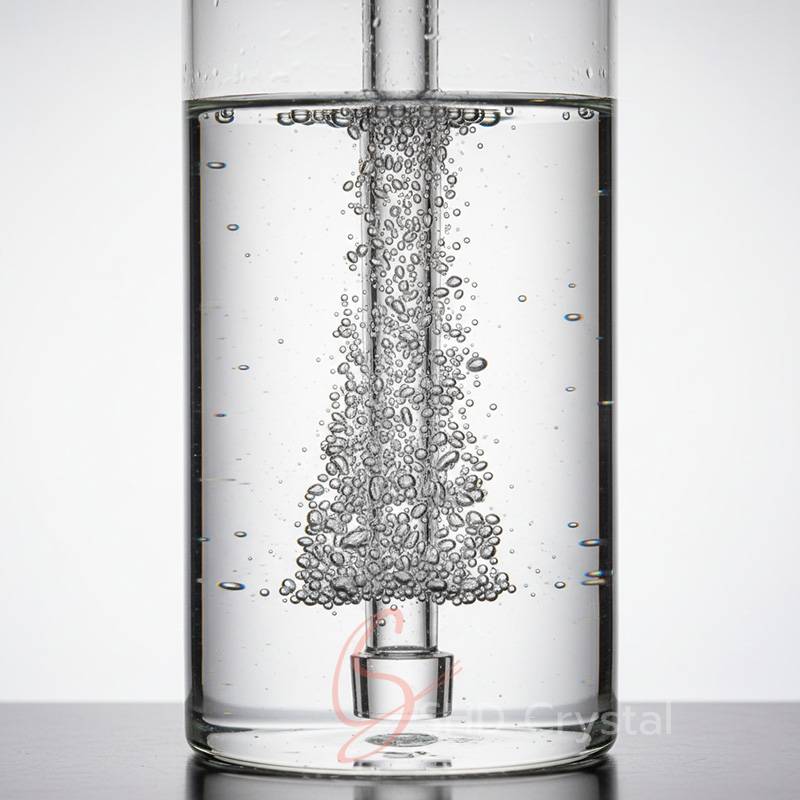
Water diffusion in hookah refers to the way incoming air disperses as it enters the water chamber. Instead of moving as a single stream, airflow breaks into multiple bubbles, spreading resistance evenly across the water volume. This diffusion process cools vapor, dampens vibration, and regulates draw consistency.
When diffusion is uneven, users often experience sharp resistance changes or audible turbulence. Effective diffusion creates a quieter, smoother inhale, demonstrating how water-based airflow influences comfort at a fundamental level.
How Water-Based Airflow Shapes Draw Consistency
The behavior of water-based airflow depends on how air enters, spreads, and exits the water chamber. A controlled entry point encourages uniform bubble formation, allowing vapor to cool gradually rather than abruptly. This reduces harshness and prevents pressure spikes during inhalation.
Balanced water-based airflow also stabilizes resistance across multiple draws, preventing fatigue during longer sessions. This consistency plays a critical role in maintaining hookah system balance, especially in shared or extended use.
Water Diffusion and Hookah System Balance
True hookah system balance emerges when diffusion, airflow, and structure operate in harmony. Water diffusion acts as the mediator between downward air pressure and upward vapor flow. If diffusion is too aggressive, resistance increases unnecessarily; if too weak, cooling becomes inconsistent.
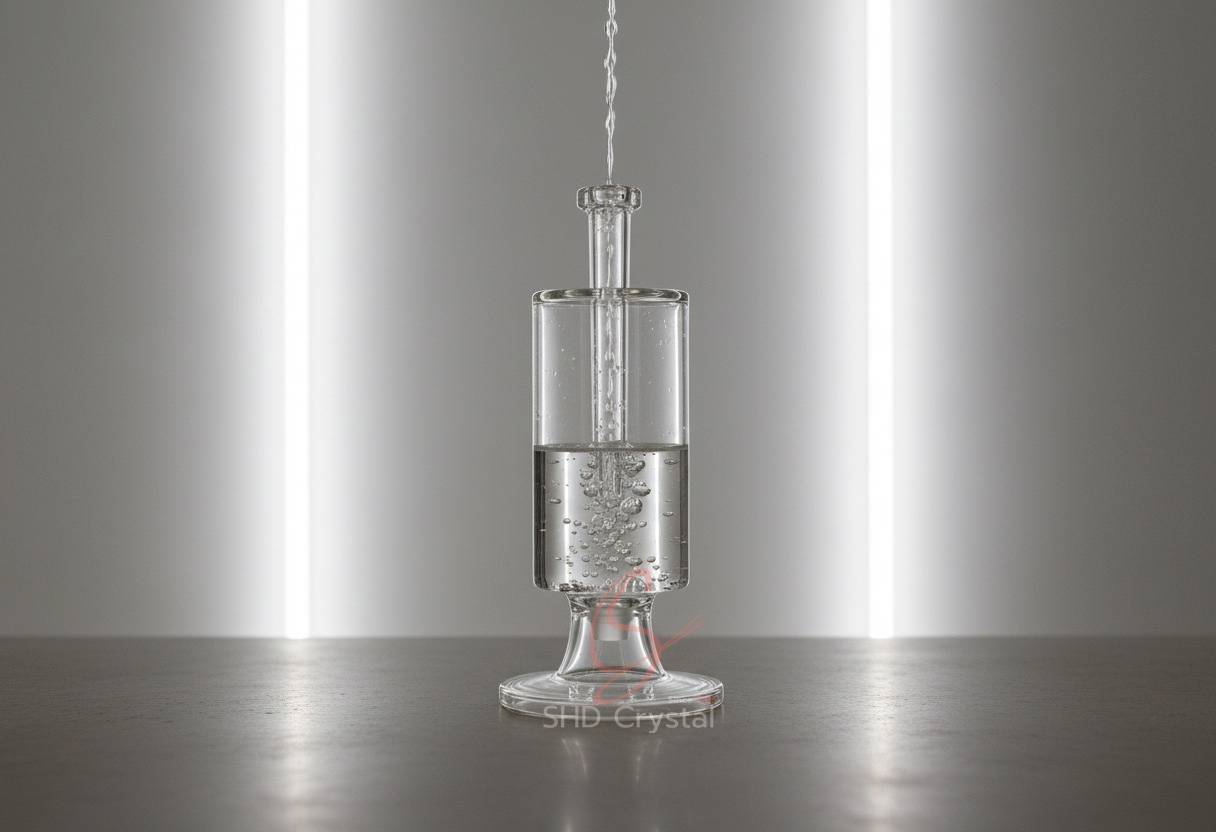
Effective water diffusion in hookah setups ensures that airflow resistance, cooling efficiency, and vibration remain proportional. This balance supports a controlled rhythm rather than fluctuating performance, which users often describe as a “steady” or “natural” draw.
Structural Factors That Influence Diffusion Behavior
Several design factors affect how water diffusion in hookah systems performs in practice:
- Chamber volume influences how far bubbles travel before breaking the surface
- Air entry angle affects how evenly airflow spreads through the water
- Water depth determines resistance levels and cooling duration
When these elements align, water-based airflow becomes predictable rather than reactive. This predictability reinforces hookah system balance by minimizing sudden shifts in resistance or temperature.
Sensory Impact of Controlled Water Diffusion
Although diffusion is a mechanical process, its effects are sensory. Users perceive balanced diffusion as quieter operation, smoother inhalation, and reduced vibration through the body of the hookah. These cues signal stability rather than intensity.
In well-balanced systems, water diffusion in hookah setups enhances relaxation rather than drawing attention to the mechanism itself. The experience feels continuous, not interrupted—an outcome closely tied to refined water-based airflow behavior.
Why Water Diffusion Matters Beyond Performance
Beyond immediate comfort, diffusion dynamics influence long-term usability. Systems with stable hookah system balance place less stress on seals, joints, and internal pathways. Over time, consistent diffusion reduces wear caused by pressure fluctuations and uneven airflow.
From an engineering perspective, understanding water diffusion in hookah design supports longevity as much as experience quality, reinforcing its importance beyond surface-level performance.
Conclusion
Water diffusion in hookah systems is not a secondary detail—it is the foundation of smooth airflow, controlled cooling, and structural harmony. By regulating water-based airflow and supporting hookah system balance, effective diffusion shapes how a hookah feels, sounds, and performs over time.
When diffusion is thoughtfully managed, the result is a stable, predictable experience that prioritizes comfort and consistency. Understanding this mechanism allows both users and designers to appreciate why balance—not intensity—defines a truly refined hookah session.