
Blogpost Keywords: glass art supplier, custom glass art, architectural glass
A glass art supplier plays a critical role in bridging creative design intent with structured production and delivery systems in commercial and architectural projects. Beyond manufacturing, the supplier often coordinates materials, finishes, timelines, and quality control, ensuring that custom glass art solutions can be implemented reliably at scale.
In modern design and construction workflows, this coordination becomes essential. Projects involving architectural glass must balance aesthetic expression with structural requirements, installation feasibility, and long-term durability. A capable glass art supplier helps align these factors early, reducing risk throughout the project lifecycle.
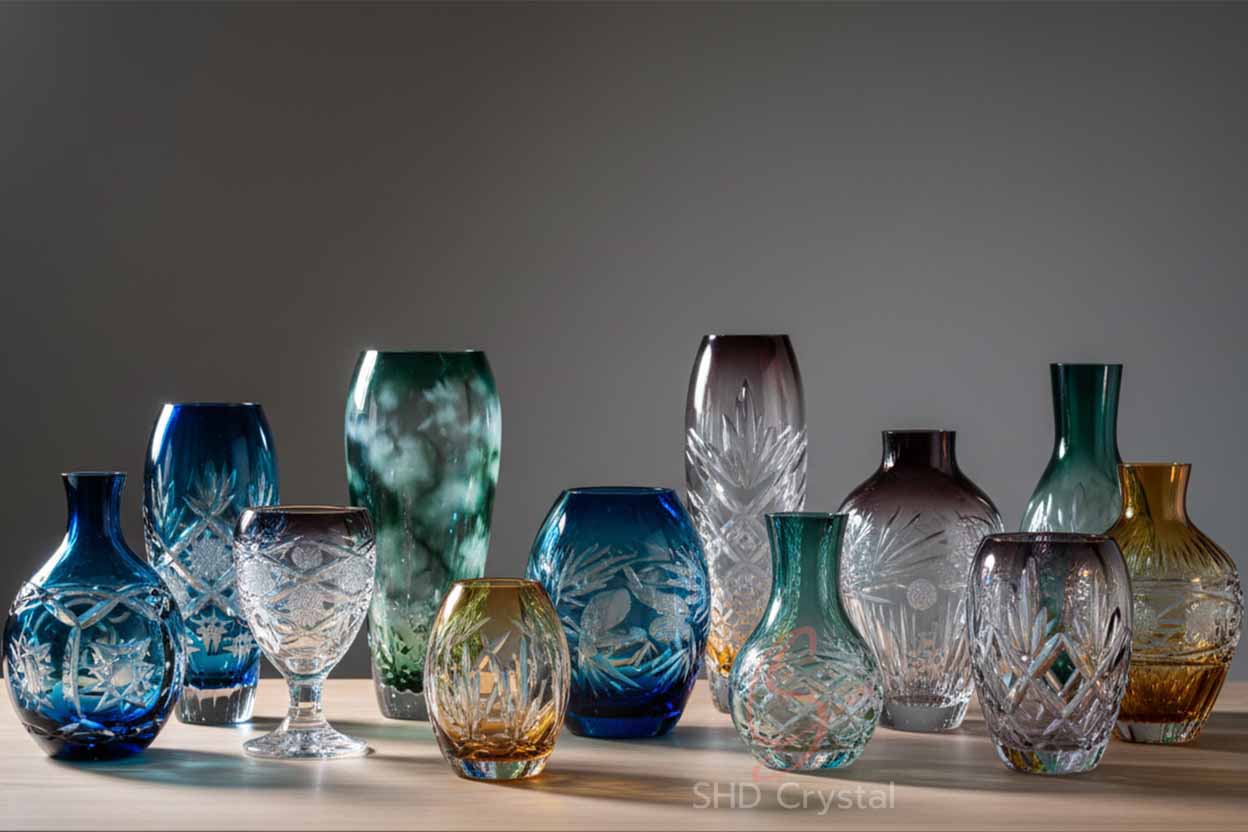
How A Glass Art Supplier Coordinates Custom And Architectural Requirements
Once design concepts are established, a glass art supplier evaluates feasibility across multiple dimensions, including material selection, fabrication methods, and environmental conditions.
For custom glass art, this process ensures that artistic intent can be translated into manufacturable forms without compromising visual quality. Thickness, shaping techniques, and surface treatments are all reviewed to support both design and functionality.
In architectural glass applications, coordination extends further. Load-bearing considerations, fixing systems, thermal performance, and safety compliance must all be addressed. A knowledgeable supplier can bridge communication between designers, engineers, and fabricators, ensuring that creative concepts remain technically viable.
This integrated approach is especially valuable in projects where custom glass art elements are incorporated into large-scale architectural glass installations.
Practical Use Scenarios In Commercial And Public Spaces
In hospitality environments such as hotels, restaurants, and boutique retail spaces, custom glass art is often used to define visual identity. Feature walls, illuminated panels, and decorative partitions create focal points that enhance spatial experience.
A glass art supplier ensures that these elements maintain consistency across multiple installations, especially in chain or multi-location projects.
In office buildings and public facilities, architectural glass is typically selected for its transparency and durability. Here, suppliers may recommend finishes that reduce glare, resist fingerprints, or improve long-term maintenance performance.
These practical adjustments allow architectural glass to function effectively while maintaining its visual contribution to the space.
Common Misunderstandings About Glass Art Suppliers
A common misconception is that a glass art supplier only provides finished products. In reality, many suppliers are deeply involved in sampling, prototyping, quality inspection, and production sequencing.
Another misunderstanding is that custom glass art limits design flexibility. In practice, early collaboration with a supplier often expands possibilities by identifying feasible techniques and material combinations.
Lead time planning is also frequently underestimated. Without clear scheduling and approval processes, projects may encounter delays or unexpected adjustments. An experienced glass art supplier helps structure these timelines to support efficient project execution.
Practical Guidance For Project Planning
When selecting architectural glass solutions, early evaluation of usage conditions is essential. Exposure to heat, moisture, mechanical stress, or frequent contact can influence both material selection and finishing techniques.
A qualified glass art supplier can recommend appropriate specifications that balance visual goals with durability.
Documentation is another critical factor. Detailed drawings, finish samples, and approval records reduce ambiguity during production and installation. These practices support smoother collaboration between designers, contractors, and fabricators.
Conclusion
A professional glass art supplier contributes more than sourcing capability. Through coordinated planning, quality oversight, and technical understanding, suppliers help translate custom glass art concepts into reliable architectural glass applications.
This integration of design and execution ensures that projects achieve both visual impact and long-term performance.
Building Long-Term Value Through Supplier Collaboration
For developers, designers, and project teams working across multiple phases or locations, partnering with a reliable glass art supplier provides continuity and clarity. Early engagement allows custom glass art and architectural glass solutions to be developed with greater precision, reducing risk while supporting consistent design outcomes.
Manufacturers with integrated production capabilities, such as SHD Crystal, can further support this process by offering controlled glass forming, precision finishing, and project-level coordination. These capabilities enable custom glass art to maintain both artistic detail and structural reliability across diverse architectural applications.