
Blogpost keywords: high-value hookah design, perceived quality shisha, design-driven pricing
From a manufacturer’s perspective, high-value hookah design is not defined by ornamentation or novelty. At SHD Crystal, it is understood as a disciplined balance between proportion, material integrity, and long-term usability. Design choices are made not to attract immediate attention, but to support consistency, durability, and a refined user experience over time.
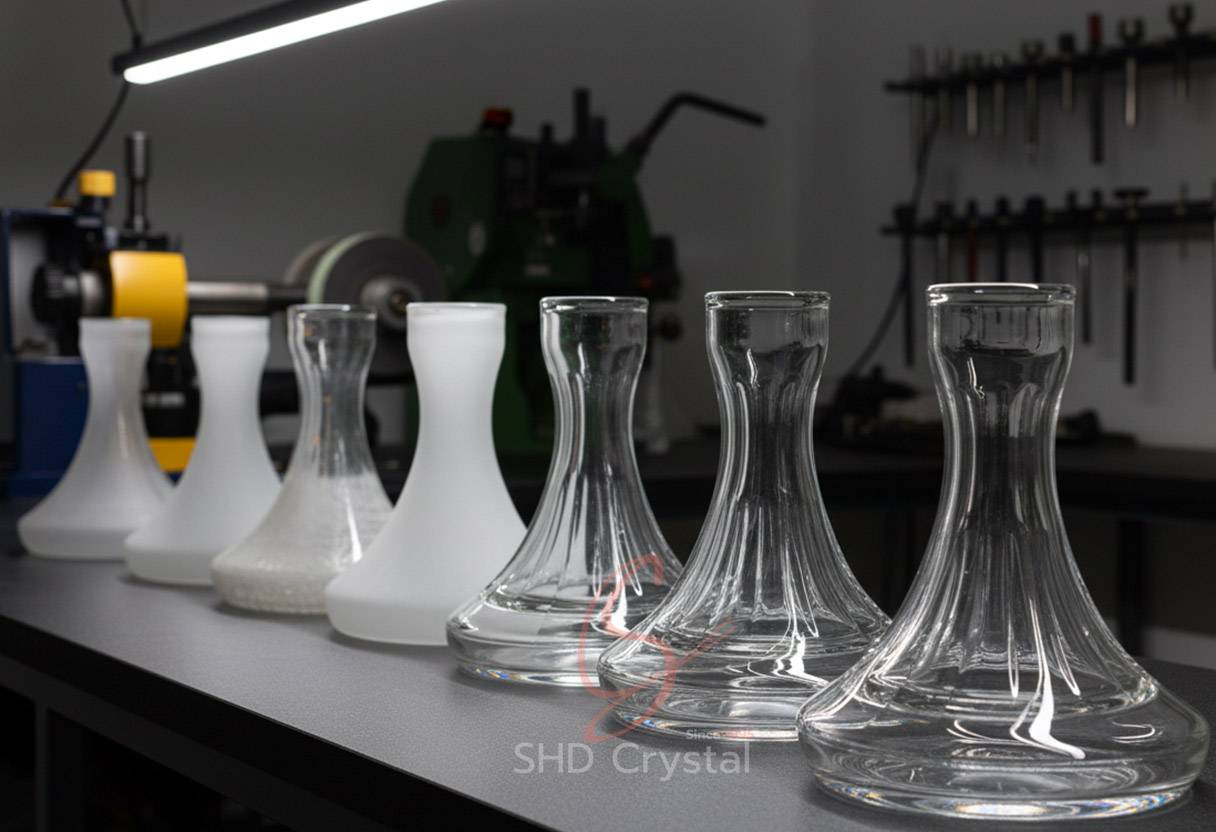
High-value hookah design serves as a silent communicator—shaping how a product is perceived before it is ever used.
High-Value Hookah Design Rooted in Manufacturing Discipline
Effective high-value hookah design begins with structural clarity. The relationship between glass thickness, weight distribution, and visual balance determines both performance and longevity. From our manufacturing standpoint, design decisions must respect production realities while maintaining aesthetic restraint.
High-value hookah design also requires repeatability. A design only holds value if it can be produced consistently across batches without variation that compromises quality. This principle guides how forms are developed, refined, and approved for long-term production.
Perceived Quality Shisha and Material Integrity
In the shisha market, perceived quality shisha is often shaped by tactile and visual cues. The clarity of glass, the smoothness of curves, and the stability of the base all contribute to how a product is judged at first interaction. These impressions are not accidental; they result from controlled material selection and precise manufacturing processes.
Perceived quality shisha is reinforced through use. Products that maintain their appearance and performance over time naturally build trust, reducing the need for excessive branding or explanation.
Perceived Quality Shisha as a Consistency Standard
From our experience, perceived quality shisha is closely tied to consistency rather than excess. Uniform wall thickness, balanced proportions, and clean finishing communicate reliability. When these elements remain stable across production cycles, perceived quality becomes a dependable attribute rather than a subjective claim.
This consistency supports partners who rely on predictable quality to maintain their own brand positioning in premium and niche markets.
Design-Driven Pricing and Long-Term Value
Design-driven pricing reflects the relationship between development effort, material investment, and manufacturing control. Pricing shaped by design is not reactive; it is grounded in the resources required to achieve stability, repeatability, and refinement.
Design-driven pricing allows products to be valued for what they sustain over time rather than how they appear at launch. This approach supports rational purchasing decisions for brands and distributors focused on longevity rather than short-term trends.
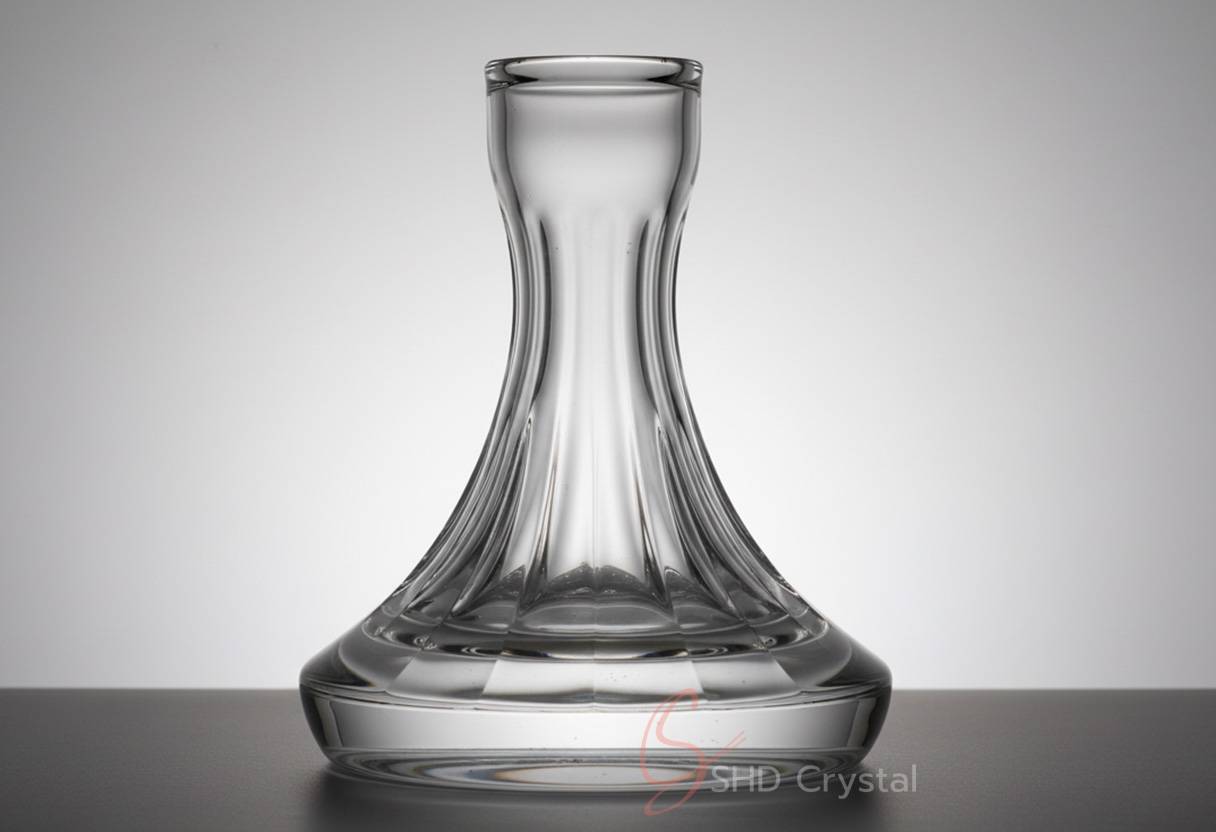
Design-Driven Pricing as a Strategic Framework
Within a structured design-driven pricing model, each design choice carries weight. Simplified forms that require tighter tolerances may increase production complexity, while restrained aesthetics can reduce waste and variability. Pricing reflects these realities transparently.
Design-driven pricing also aligns expectations across partnerships, creating clarity around what defines value beyond surface appeal.
A Manufacturing Perspective on Design and Value
When high-value hookah design, perceived quality shisha, and design-driven pricing operate in alignment, products gain credibility naturally. From a manufacturing standpoint, this alignment reduces friction between concept, production, and market performance.
At SHD Crystal, design is approached as a responsibility—one that supports partners seeking stability, refinement, and consistent quality rather than momentary impact.
A Considered Direction Forward
For brands evaluating high-value hookah design through the lens of long-term quality, working with a glass hookah base OEM manufacturing partner focused on consistency and material discipline can provide quiet but meaningful support. Thoughtful collaboration often reveals that perceived quality and design-driven pricing emerge most naturally when design is treated as a system rather than a statement.