
Blogpost keywords: glass hookah for brands, brand-specific shisha, custom visual identity
In an increasingly brand-driven shisha market, a glass hookah for brands is no longer a neutral component. It functions as a visual anchor that communicates positioning, quality, and intent. For brands seeking distinction, the glass base becomes a critical medium through which identity is expressed—often before performance is even evaluated.

Glass hookah for brands therefore sits at the intersection of design, perception, and consistency.
Glass Hookah for Brands and Brand Recognition
A well-developed glass hookah for brands supports recognition through proportion, silhouette, and finish rather than overt branding. Subtle differences in form or balance can create a visual signature that remains identifiable across collections and environments.
This approach allows brands to maintain a coherent identity while adapting to different markets or product lines, reinforcing familiarity without repetition.
Brand-Specific Shisha Built on Design Intent
Brand-specific shisha begins with intent rather than decoration. Defining how a brand wishes to be perceived—refined, contemporary, traditional, or experimental—helps guide design decisions from the outset. Glass shape, thickness, and transparency are selected to align with this intent.
Brand-specific shisha development benefits from restraint. When design elements are chosen deliberately, the final product communicates clarity rather than excess.
Brand-Specific Shisha and Consistency Across Use
Consistency is essential for brand-specific shisha. Whether placed in lounges, retail displays, or private collections, the product must retain its character across settings. Controlled production standards help ensure that visual identity remains stable across batches and regions.
This reliability supports long-term brand equity and reduces the need for frequent redesign.
A Regional Case Insight From the Middle East
A recent project with a Middle Eastern shisha brand illustrated how glass design can support regional identity without relying on overt cultural symbols. The client sought a glass hookah base that felt distinctive in form while remaining compatible with existing premium stems used across their lounges. Rather than introducing decorative elements, the focus was placed on proportion, base volume, and visual weight.
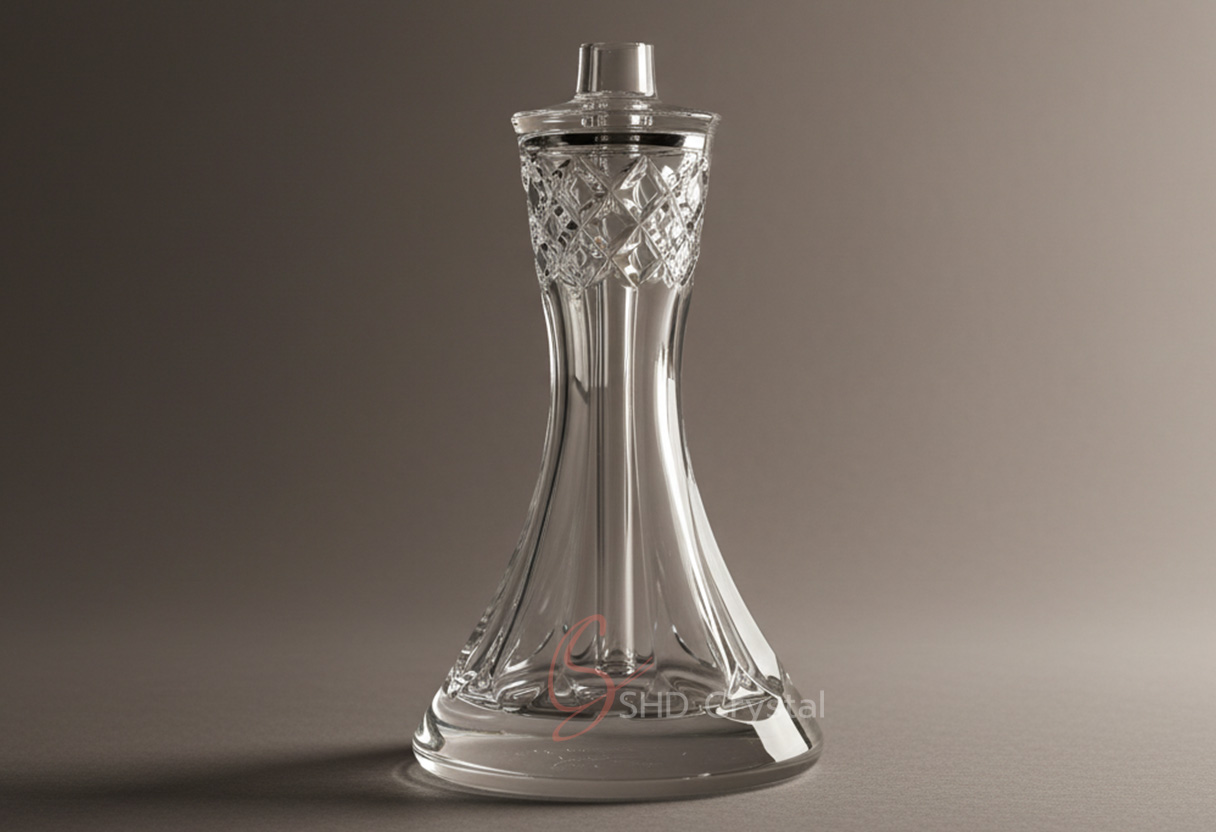
Through several sampling rounds, subtle adjustments were made to height and curvature to reflect local preferences for stability and presence. The final result blended seamlessly into the brand’s environment while remaining visually recognizable across locations. This project demonstrated how brand-specific shisha development benefits from measured dialogue and controlled refinement, allowing a custom visual identity to emerge naturally within market expectations.
Custom Visual Identity Through Glass Design
A custom visual identity expressed through glass relies on form language rather than surface branding alone. Curvature, proportion, and weight distribution influence how a product is perceived at first glance. These elements work together to create a visual presence that feels intentional and balanced.
Custom visual identity development often involves refining small details—adjusting transitions or dimensions—until the design feels resolved rather than attention-seeking.
Custom Visual Identity Supporting Market Differentiation
In competitive environments, custom visual identity helps brands differentiate without aggressive messaging. A distinctive glass form can quietly signal quality and positioning, allowing the product to speak through presence rather than promotion.
This subtle differentiation is particularly effective in premium and niche segments, where understatement is often associated with confidence.
Aligning Brand Identity With Production Reality
When glass hookah for brands, brand-specific shisha concepts, and custom visual identity are aligned with production capabilities, outcomes gain credibility. Designs that respect material behavior and manufacturing processes are easier to reproduce consistently, protecting both quality and identity.
This alignment ensures that visual identity is not only designed, but sustained over time.