
Blogpost keywords: custom liquor bottle design, custom glass bottles, liquor bottle manufacturer
Custom liquor bottle design supports custom glass bottles and liquor bottle manufacturer planning for shape, closure, weight, and packaging.
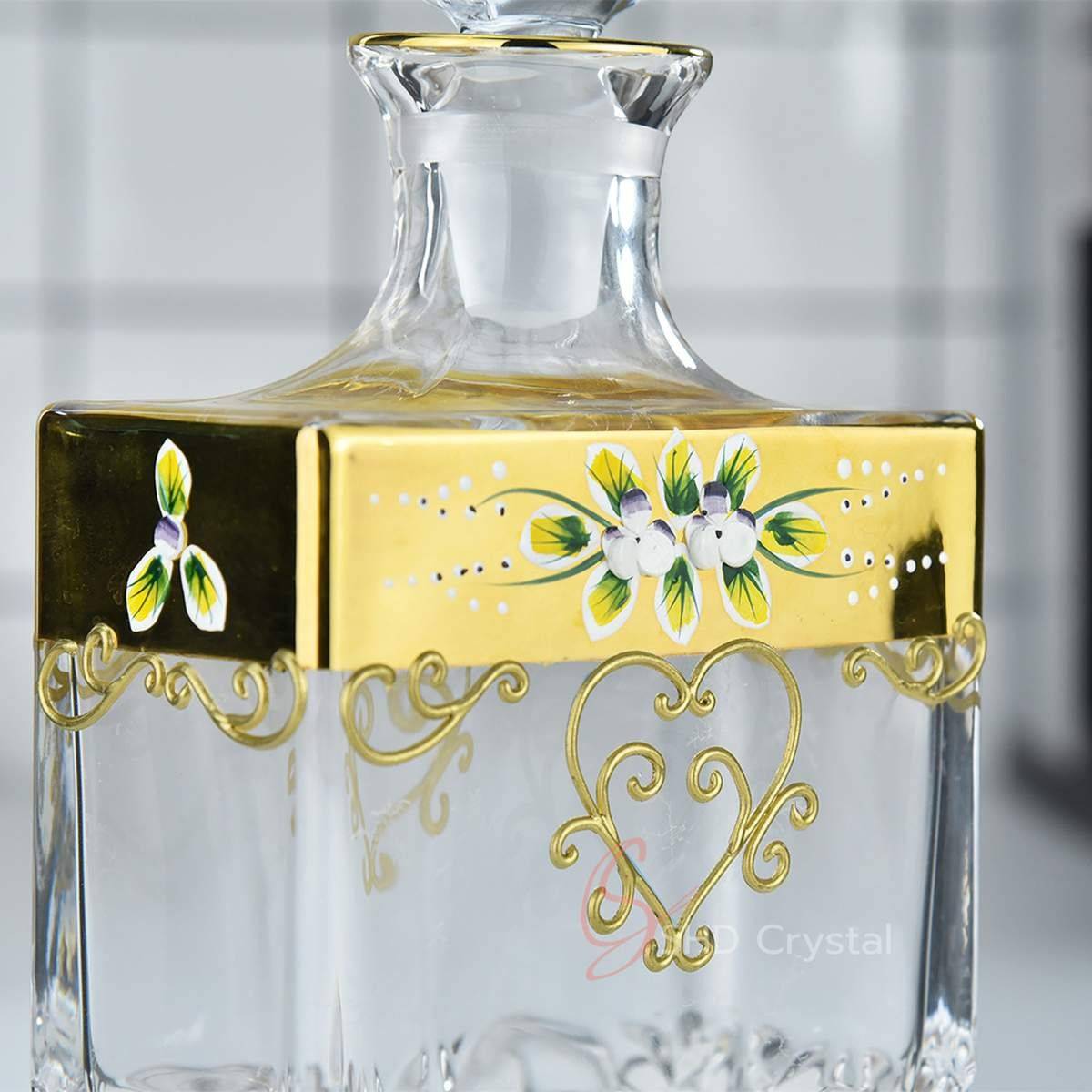
Custom Liquor Bottle Design for Brand Packaging
Custom liquor bottle design often begins with a strong visual idea, but a successful bottle must also survive filling, sealing, handling, packing, and repeat production. A bold silhouette may look impressive in a concept sketch, yet the same design can become difficult if the base is too heavy, the neck finish is unstable, or the carton structure is ignored. For spirits brands, private-label buyers, and promotional packaging teams, the real value of bottle development lies in balancing identity with manufacturability.
Custom Liquor Bottle Design Starts With Production Reality
A bottle concept should be reviewed before mold development begins. Capacity, closure type, wall thickness, label area, decoration method, glass weight, and filling-line compatibility all influence the final result. This is where custom glass bottles become a manufacturing project rather than only a branding decision.
One common mistake is assuming that thicker glass always creates better quality. Weight can improve shelf presence, but excessive thickness may increase cooling stress, freight cost, and packaging pressure. If the wall thickness transition from the shoulder to the base is too aggressive, annealing behavior becomes harder to control. That may affect batch consistency, especially for square, faceted, or sculptural bottle shapes.
A responsible liquor bottle manufacturer will usually ask about spirit type, fill volume, closure system, decoration expectations, and sales channel before giving a serious quotation. These details are not formalities. They determine whether the bottle can move smoothly from drawing to sample and then into repeat orders.
Shape, Weight, And Closure Must Work Together
The most attractive bottle is not always the most practical one. A tall narrow bottle may appear elegant, but it can feel unstable on a crowded bar shelf. A wide bottle may offer a strong display face, yet it can reduce packing efficiency. A short bottle with a thick base can feel substantial, but it may limit label space or increase unit weight.
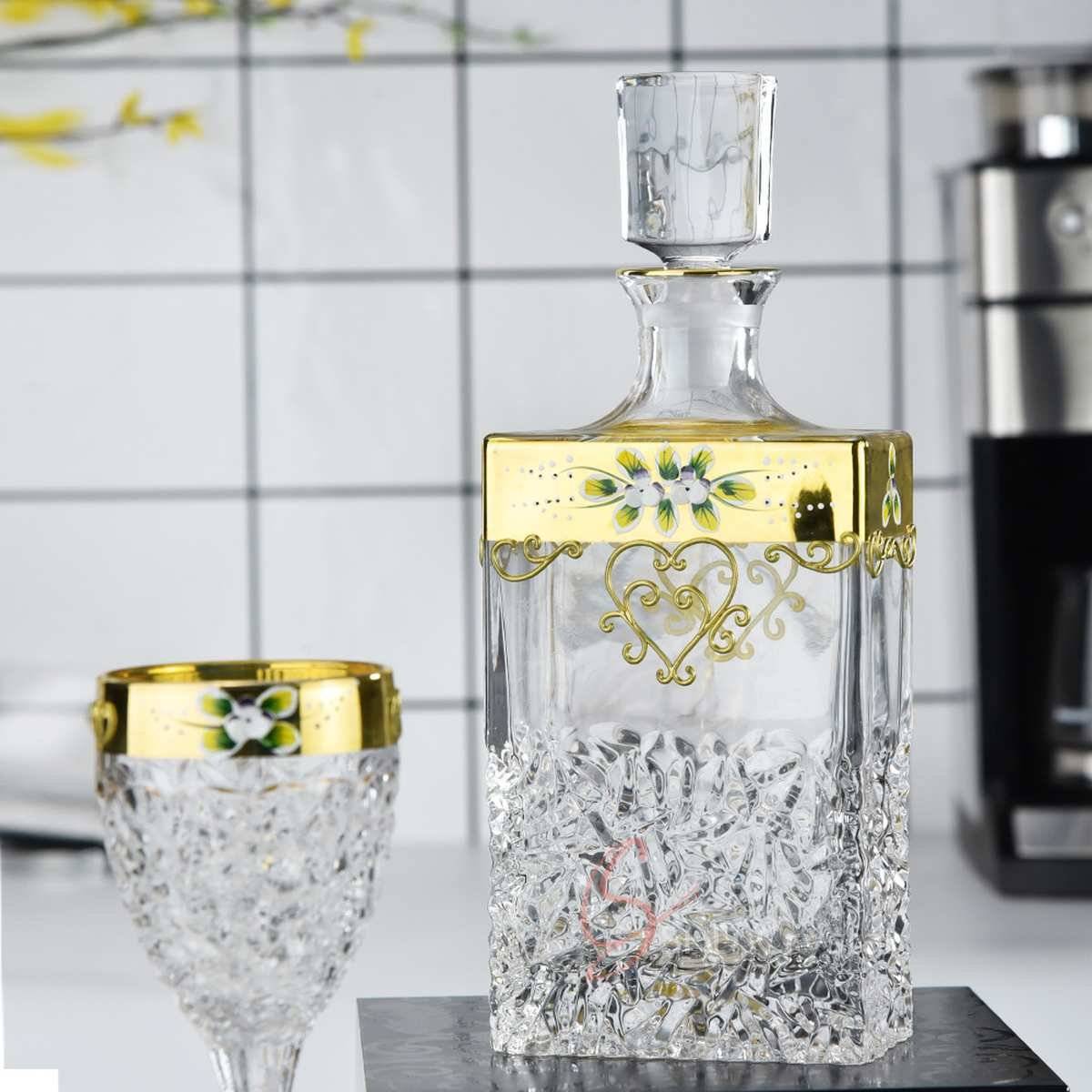
Closure planning is equally important in custom liquor bottle design. Cork stoppers, screw caps, synthetic closures, and decorative caps each require different neck finishes and tolerance control. A beautiful cap cannot compensate for an inaccurate neck. Mold tolerance should be reviewed early because a small mismatch can affect sealing, assembly, and final hand feel.
Decoration also changes the development path. Embossed logos require mold accuracy. Frosting creates a soft matte surface, but it may reduce liquid visibility. Screen printing supports clean brand expression, while labels allow easier artwork updates. Each option has different cost, sampling, and production implications.
Buyer Decisions Before Sampling
Buyers should separate design ambition from practical limits. Is the bottle intended for a craft spirits launch, a seasonal gift set, a hotel bar program, or a long-term retail product? The answer changes the right level of complexity.
Custom glass bottles can be developed through different routes. A premium launch may justify a new mold, heavy base, embossed detail, and fitted gift packaging. A market test may be better served by an existing mold with custom decoration. Neither route is automatically superior. The right choice depends on budget, timeline, order quantity, and repeat-order expectations.
Packaging should be discussed before mass production. Bottles with sharp shoulders, deep embossing, or heavy bottoms may need stronger dividers, fitted trays, or reinforced cartons. When packaging is left until the end, a strong bottle idea can become a shipping risk.
Conclusion
Custom liquor bottle design works best when creative direction, glass behavior, closure fit, and carton protection are considered as one connected system. A bottle does not need to be complicated to feel distinctive. It needs a clear structure, controlled weight, realistic decoration choices, and production details that support stable repeat manufacturing.
Planning A More Reliable Bottle Project
For brands preparing spirits packaging, SHD Crystal can support glass product development from early concept review to sampling and production evaluation. Our glass manufacturing capabilities cover custom glass bottles, decorative glass vessels, molded glass structures, surface finishing, polishing, frosting, color decoration, and packaging coordination for different project requirements. When sketches, target capacity, closure references, decoration goals, and expected order quantity are shared in advance, we can help evaluate whether the structure, weight, neck finish, and production route are suitable for stable manufacturing. This makes custom liquor bottle design easier to move from visual idea to practical glass packaging with fewer corrections and clearer production control.