
Blogpost keywords: custom liquor bottle manufacturer, custom glass bottles, spirits bottle supplier
Custom liquor bottle manufacturer supports custom glass bottles and spirits bottle supplier planning with design control and packaging risk review.
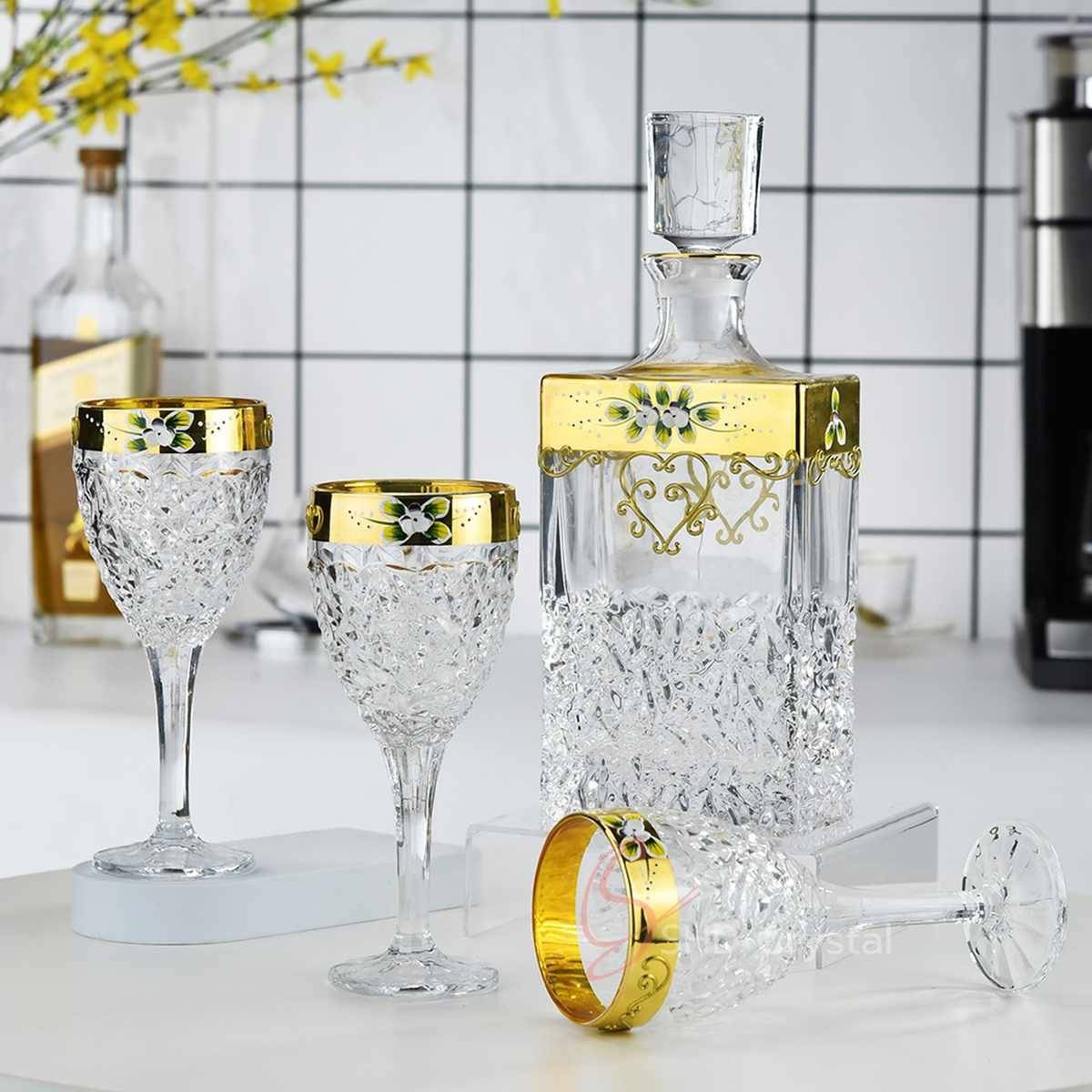
Custom Liquor Bottle Manufacturer for Brand Growth
A custom liquor bottle manufacturer does not simply make a glass container after a brand sends a drawing. In many spirits packaging projects, the manufacturer helps decide whether a bold bottle concept can actually be filled, sealed, decorated, packed, shipped, and reordered without unnecessary correction. That is where the real value begins.
A bottle may look impressive in a rendering. It may have a heavy base, sharp shoulders, a deep embossing area, or a dramatic neck profile. But if the structure creates cooling stress, closure mismatch, label difficulty, or carton failure, the design will become expensive to fix. For spirits brands, private-label buyers, and promotional packaging teams, the right manufacturing partner helps turn visual ambition into a repeatable commercial product.
A Custom Liquor Bottle Manufacturer Helps Prevent Costly Design Risks
The most eye-catching bottle is not always the most production-friendly bottle. During development, weight distribution, wall thickness transition, mold tolerance, forming temperature, and annealing behavior all need to be evaluated. These are not minor technical details. They influence cracking risk, base stability, batch consistency, and the final quality impression.
For custom glass bottles, the bottom and shoulder areas often create the biggest challenges. A thick base can improve hand feel and shelf presence, but excessive glass concentration may require better cooling control. Square or faceted bottles may offer a stronger brand silhouette, yet corners and flat panels can make glass distribution more difficult. A skilled spirits bottle supplier should identify these issues before mold development, not after the first failed sample.
Neck finish is another critical point. Cork stoppers, screw caps, synthetic closures, bar-top caps, and decorative closures each require different neck geometry. If the neck finish is not matched with the closure system, sealing performance and user experience may both suffer. A premium bottle loses value quickly when the cap feels loose, tight, uneven, or poorly aligned.
Why Brand Appeal And Production Logic Must Work Together
Strong spirits packaging depends on more than shape. The glass color, surface finish, logo method, label area, and carton structure all influence how the bottle performs in the market. Clear glass highlights liquid color and clarity. Frosted glass creates a soft visual tone but may reduce visibility. Embossing gives a permanent brand mark, while printing or labeling allows more flexible artwork changes.
Each choice affects production rhythm. Polishing pressure may influence rim or base consistency. Manual finishing variation can appear in decorated details. Heavy custom glass bottles may require reinforced cartons or fitted trays. If these decisions are treated separately, the project may look good at the concept stage but become difficult during sampling or export packing.
This is why a custom liquor bottle manufacturer should be involved early. Early review helps buyers compare different routes, such as a full custom mold for a flagship launch, a modified existing mold for faster testing, or a decoration-focused solution for seasonal promotions. The best route is not always the most complex one. It is the one that fits budget, timeline, quantity, and repeat-order expectations.
Buyer Questions That Reveal The Right Supplier
Before choosing a spirits bottle supplier, buyers should ask how the supplier reviews drawings, closure fit, mold feasibility, decoration limits, and packaging risks. A supplier that only quotes quickly may not be able to prevent later problems. A supplier that asks about fill volume, sales channel, cap type, artwork, carton format, and target order quantity is usually thinking beyond the bottle itself.
Custom glass bottles also need realistic tolerance discussion. Slight variation in glass weight, verticality, base flatness, or decoration placement can happen in production. The important question is whether the supplier can define acceptable standards before sampling and explain which parts of the design require tighter control.
Conclusion
A custom liquor bottle manufacturer becomes valuable when design, engineering, closure selection, decoration, and packaging are planned as one connected system. The goal is not only to create a bottle that looks different. The goal is to create a bottle that can be produced consistently, protected during transport, accepted by the market, and repeated with fewer surprises.
Building A Better Bottle Development Brief
For brands preparing a new spirits packaging project, a clear brief should include target volume, reference shape, closure type, decoration plan, expected quantity, and packaging format. With these details, a spirits bottle supplier can evaluate production feasibility more accurately and recommend a practical development route. This gives custom glass bottles a stronger chance of moving from creative idea to reliable commercial packaging.
SHD Crystal supports custom glass bottle development through glass forming, mold evaluation, polishing, surface decoration, packaging coordination, and OEM production planning. For brands seeking a practical custom liquor bottle manufacturer, early technical communication can help reduce sampling uncertainty and create a clearer path toward market-ready bottle production.