
Understanding spirit bottle sizes is fundamental to production planning, regulatory compliance, and market positioning. As a manufacturer producing glass containers for distilleries worldwide, we have observed that size selection affects everything from filling line efficiency to retail shelf presence. The right size choice balances production economics with consumer expectations.
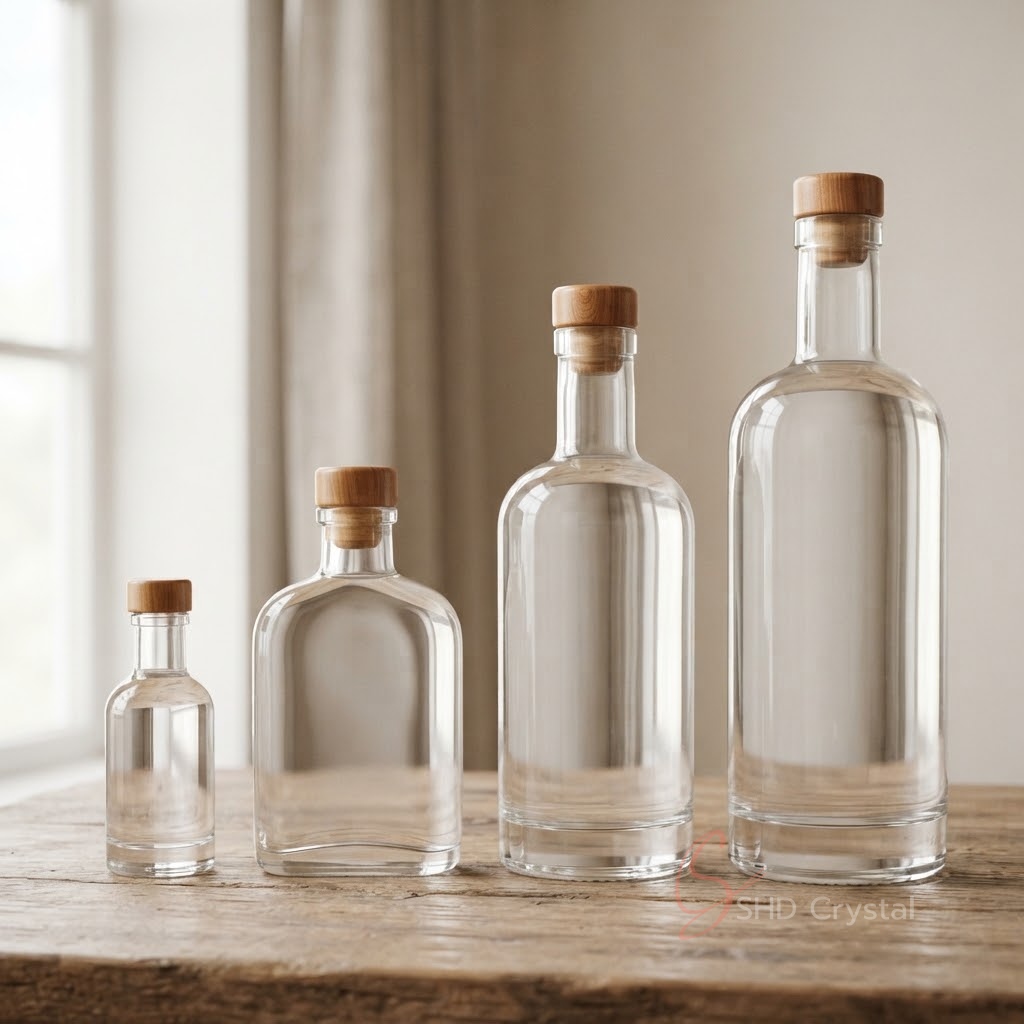
Standard Liquor Bottle Dimensions
Liquor bottle dimensions follow established standards that vary by market and spirit category. The most common spirit bottle sizes include:
50ml (miniature/airplane): Samples, travel retail, gift sets
200ml (half pint): Entry-level markets, travel sizes
350ml (half bottle): Gift market, moderate consumption
700ml (European standard): Primary retail size in EU markets
750ml (US standard): Primary retail size in North America
1L (liter): Duty-free, hospitality, value positioning
1.75L (magnum): Bulk retail, hospitality venues
From our production experience, the relationship between bottle size and market perception is often underestimated. A 700ml bottle in Europe and a 750ml bottle in the US serve identical market functions despite different nominal volumes. Understanding these nuances prevents costly specification errors.
Alcohol Container Size Guide Considerations
An alcohol container size guide must address three factors: regulatory requirements, production efficiency, and market expectations. Each market has specific regulations regarding nominal volume, tolerance, and labeling.
We once produced bottles for a distillery expanding from European to US markets. The 50ml volume difference between 700ml and 750ml bottles required different molds, filling equipment adjustments, and label redesign. The lesson: size specifications must align with target market regulations from the start.
| Size Category | Common Use | Market Preference |
|---|---|---|
| Miniature (50ml) | Samples, travel | Global |
| Standard (700-750ml) | Primary retail | Regional |
| Large (1-1.75L) | Value, hospitality | Market-specific |
Production Efficiency by Bottle Size
Spirit bottle sizes directly affect production efficiency. Larger bottles fill faster per volume but require more glass and packaging materials. Smaller bottles fill slower but allow for more units per production run.
A common mistake is selecting bottle sizes based solely on retail pricing without considering production economics. In practice, the most efficient production typically occurs with standard sizes that align with existing filling line capabilities. Custom sizes require equipment modifications that increase per-unit costs.
We recommend discussing production requirements with your manufacturer before finalizing size decisions. Small adjustments to size specifications can sometimes align with standard tooling, reducing development costs and lead times.
Market Positioning Through Size Selection
Spirit bottle sizes communicate brand positioning. Premium spirits often use taller, more slender bottles that convey elegance. Value spirits may use shorter, wider bottles that suggest substance. The size selection should align with your brand story and target consumer.
From our production experience, the relationship between bottle dimensions and perceived value is measurable. Studies show that taller bottles are perceived as more premium, regardless of actual volume. This psychological factor should inform size decisions alongside practical considerations.
A practical consideration is that unusual sizes may create retail display challenges. Standard sizes fit standard shelving; custom sizes may require special fixtures. Factor retail requirements into your size selection process.
Custom vs. Standard Spirit Bottle Sizes
Choosing between custom and standard spirit bottle sizes involves trade-offs:
Standard Sizes Advantages:
– Lower tooling costs
– Faster production setup
– Compatible with standard filling equipment
– Easier retail placement
Custom Sizes Advantages:
– Brand differentiation
– Unique shelf presence
– Potential for trademark protection
– Alignment with specific volume requirements
In practice, most distilleries begin with standard sizes and consider custom designs once brand identity is established. The investment in custom tooling is typically justified at production volumes above 100,000 units annually.
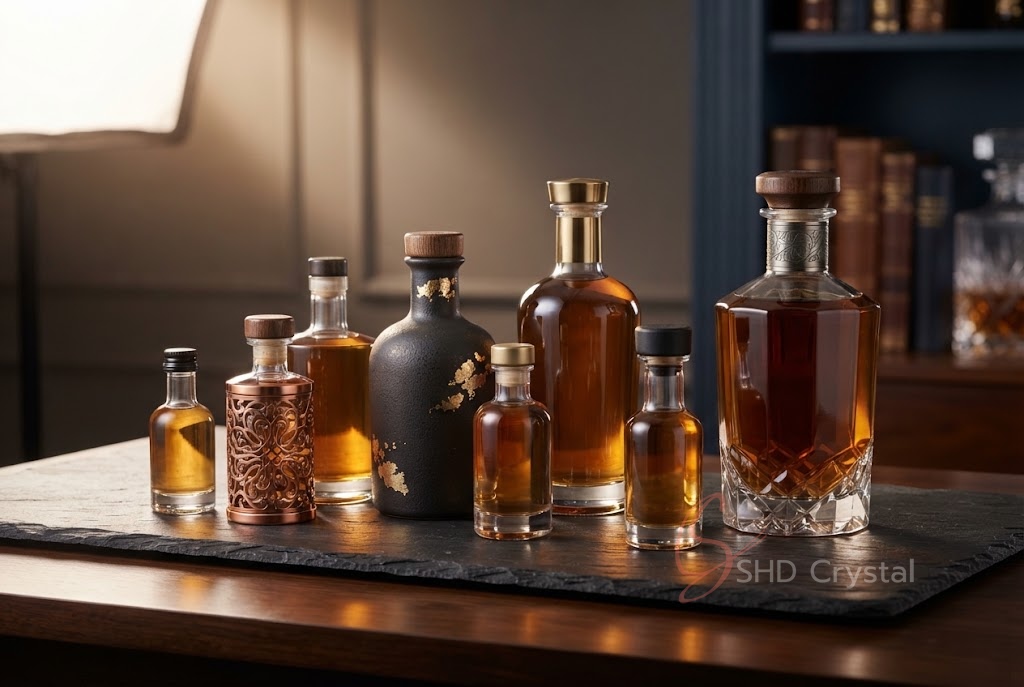
A practical consideration is that custom sizes may require regulatory approval in some markets. Verify requirements before committing to non-standard specifications.
Frequently Asked Questions
What are the most common spirit bottle sizes?
The most common sizes are 700ml (European standard), 750ml (US standard), 70cl (UK), and 1L (liter). Miniatures at 50ml and larger formats at 1.75L are also widely available. Market preference determines primary retail sizes.
How do spirit bottle sizes affect filling costs?
Filling costs depend on bottle size, filling equipment capability, and production volume. Standard sizes typically offer lowest per-unit costs due to equipment compatibility. Custom sizes may require equipment modifications that increase costs.
Can I use different sizes for different markets?
Yes, many distilleries produce the same spirit in different bottle sizes for different markets. This requires careful production planning and inventory management. Discuss multi-market requirements with your manufacturer.
What tolerance is acceptable for spirit bottle volumes?
Volume tolerance varies by market regulation. EU standards typically require ±0.5% tolerance for bottles under 1L. US standards allow ±1% for bottles under 1L. Always verify specific requirements for your target markets.
Conclusion
Understanding spirit bottle sizes is essential for successful production planning and market positioning. The right size selection balances regulatory compliance, production efficiency, and brand messaging. Before finalizing size decisions, consult with your manufacturer about production implications and verify regulatory requirements for your target markets. This upfront planning prevents costly changes later in the production process.
Partnering with SHD Crystal
As an experienced spirit bottle manufacturer, SHD Crystal produces glass containers in all standard spirit bottle sizes plus custom specifications. Our team can guide you through size selection based on your production requirements and target markets. If you are planning a new spirit launch or evaluating bottle size options, we can provide detailed specifications and production recommendations.
Interested in custom glassware or related products?
Contact our team to discuss your project requirements.