
Blogpost keywords: crystal wash basin processing, phase transition timing, internal structure refinement
Crystal wash basin processing using phase transition timing and internal structure refinement for precise shaping and durable high-end applications.
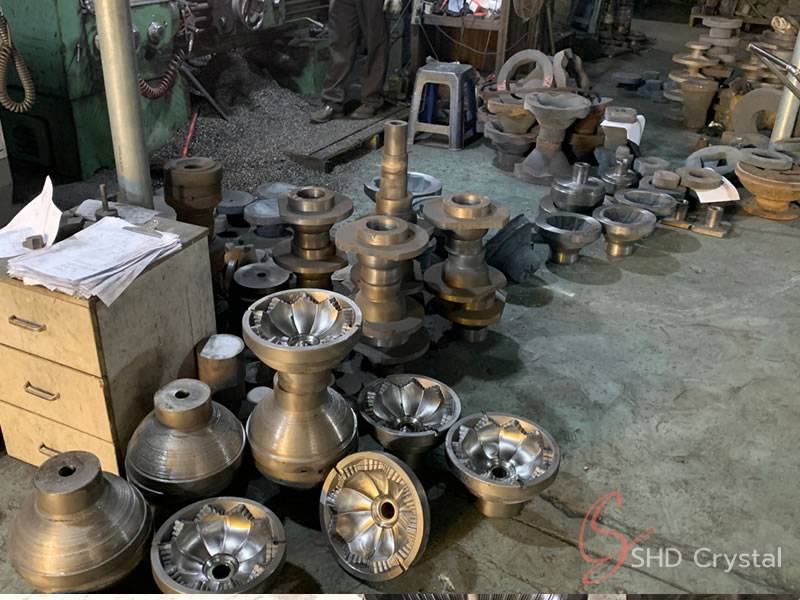
Reconstructing the Logic of Crystal Wash Basin Processing
Crystal wash basin processing is not simply an extension of glass manufacturing—it is a separate discipline where timing and structure define the outcome. Crystal reacts more sensitively during transformation, meaning production must be guided by controlled transitions rather than fixed steps.
For manufacturers and sourcing teams, understanding crystal wash basin processing requires shifting focus from visible results to invisible processes. Facilities that apply phase transition timing and advanced internal structure refinement can produce basins that maintain optical sharpness while ensuring mechanical stability.
This approach transforms production into a controlled sequence of material evolution.
Timing the Transition From Fluid to Solid
One of the most critical differences in crystal wash basin processing lies in how the material transitions between states. Unlike standard glass, crystal requires a narrower and more precise transition window.
Through phase transition timing, manufacturers determine exactly when the material should move from forming to stabilization. If this timing is off, the basin may lose its intended shape or develop internal inconsistencies.
Instead of relying on fixed temperature points, advanced facilities monitor how the material responds in real time, adjusting timing dynamically.
This ensures that the basin retains both its geometry and internal coherence.
Refining the Internal Structure Beyond Visibility
While surface quality is important, the real challenge in crystal wash basin processing lies within the material itself. Internal structure determines how the basin interacts with light and how it responds to stress.
With internal structure refinement, manufacturers control how particles and density distribute during solidification. This process reduces irregularities that could affect clarity or durability.
Unlike surface polishing, this refinement happens during earlier stages, making it a foundational aspect of production.
A well-refined internal structure ensures that the basin performs consistently under both visual and physical conditions.
Moving From Linear to Adaptive Production
Traditional production models follow a fixed sequence, but crystal wash basin processing requires a more adaptive approach.
Through phase transition timing, manufacturers continuously adjust process parameters based on material behavior rather than following rigid steps.
At the same time, internal structure refinement supports this adaptability by stabilizing the material during each transition.
This shift from linear to responsive production allows manufacturers to handle complex designs and maintain consistent quality.
Managing Interaction Between Form and Density
In crystal basins, form and density are closely linked. Variations in thickness can influence both visual depth and structural strength.
In crystal wash basin processing, internal structure refinement ensures that these variations remain controlled, preventing imbalance within the material.
Meanwhile, phase transition timing ensures that shaping occurs at the optimal moment, preserving both form accuracy and internal stability.
This coordination allows manufacturers to create basins with complex geometries without compromising performance.
Addressing Subtle Production Risks
Crystal production introduces risks that are not always visible during early stages.
In crystal wash basin processing, delayed inconsistencies can appear if timing or structure control is insufficient.
Without proper phase transition timing, the material may stabilize too early or too late, affecting final shape.
Without effective internal structure refinement, hidden irregularities may impact clarity or long-term durability.
Managing these risks requires continuous observation and adjustment throughout production.
Application in Precision-Oriented Projects
Products developed through advanced crystal wash basin processing are typically used in environments where both material quality and design accuracy are critical.
In high-end residential interiors, crystal basins serve as focal elements that reflect craftsmanship.
In hospitality projects, consistency across multiple units is essential, requiring stable and repeatable processes.
Through controlled phase transition timing, manufacturers ensure consistent shaping, while internal structure refinement guarantees material integrity.
This combination supports both visual impact and functional reliability.
Conclusion
Crystal wash basin processing is defined by its ability to manage transformation rather than just formation. By applying precise phase transition timing and effective internal structure refinement, manufacturers can produce basins that maintain clarity, strength, and consistency. This approach supports advanced design while ensuring dependable performance in real-world applications.
Advancing Crystal Wash Basin Processing Expertise
For manufacturers aiming to improve crystal wash basin processing, focusing on adaptive control systems is essential. Facilities that refine phase transition timing and strengthen internal structure refinement can reduce variability, enhance product quality, and support more complex designs. This positions them to meet the evolving demands of premium markets.