
Blogpost keywords: custom glass tableware manufacturer, custom glass dinnerware, OEM glass tableware
A custom glass tableware manufacturer supports custom glass dinnerware and OEM glass tableware with stable quality for B2B projects.
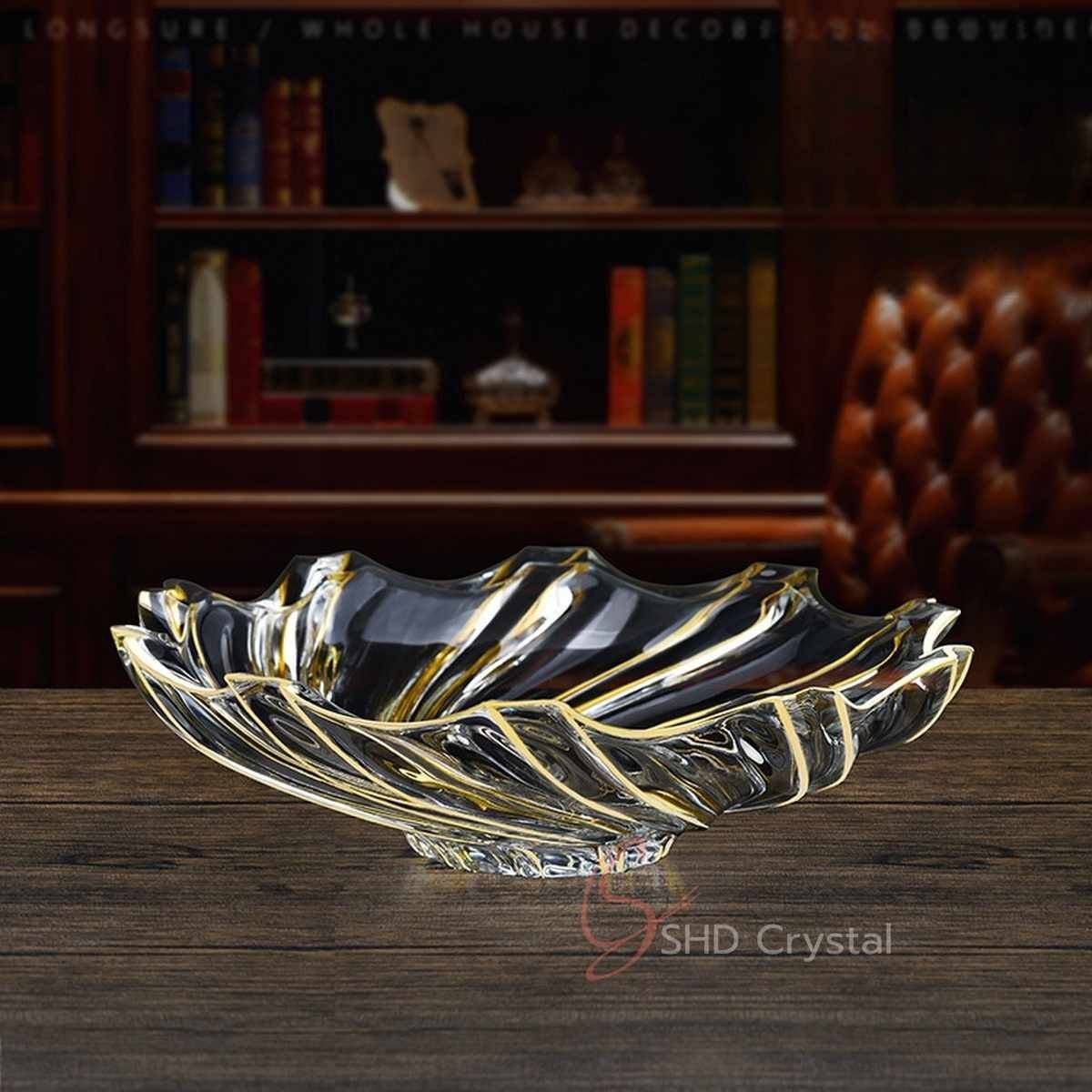
Custom Glass Tableware Manufacturer for B2B Buyers
A custom glass tableware manufacturer is not only judged by how attractive a sample looks on a screen. For distributors, hospitality suppliers, and retail buyers, the bigger question is whether the same design can be produced repeatedly with stable shape, safe use, clear finishing, and packaging that survives international shipping.
That sounds basic. It is not.
Glass tableware involves forming temperature, mold tolerance, wall thickness transition, annealing behavior, polishing pressure, and manual finishing variation. A beautiful prototype can still create problems later if the rim feels uneven, the base is unstable, or the color tone shifts across batches. This is why B2B buyers should evaluate manufacturing depth before discussing price alone.
How a Custom Glass Tableware Manufacturer Supports Practical Buyer Decisions
A custom glass tableware manufacturer should help buyers connect design ideas with production reality. For example, a hotel project may need custom glass dinnerware with a refined rim, balanced weight, and stackable structure for service efficiency. A giftware brand may care more about decorative cutting, color effects, and packaging presentation. These are different goals, so they require different production priorities.
One common mistake is assuming that any glass factory can simply copy a drawing. In practice, small changes can affect cost, yield rate, and durability. A deeper plate may need adjusted mold geometry. A thicker base may improve stability but increase cooling stress if the annealing process is not controlled properly. A colored finish may look elegant in photos but require careful batch consistency during bulk orders.
This is where OEM glass tableware development becomes more technical than many first-time buyers expect.
From Design Request to Production Control
A reliable custom glass tableware manufacturer usually starts by reviewing product purpose, target market, order volume, and customization level. The team may ask for dimensions, capacity, rim style, base thickness, surface finish, logo method, packaging format, and whether the product needs to match an existing collection.
The key point is not to complicate the process. It is to reduce hidden risk.
For custom glass dinnerware, forming method and finishing route should match the design language. Pressed glass may work well for structured shapes and repeatable patterns. Blown or hand-finished pieces may suit softer silhouettes, but they can bring slight variation. Polishing pressure also matters because excessive grinding can affect the rim profile, while insufficient polishing may leave the edge less comfortable for daily use.
Good suppliers explain these tradeoffs early. Poor suppliers often say “yes” too quickly.
What B2B Buyers Should Check Before Ordering
When comparing suppliers, buyers should look beyond sample photos. Ask how the factory manages batch consistency, whether they can control wall thickness transition, and how they inspect tableware before packing. For OEM glass tableware, the ability to support branding is also important, including logo position, decal durability, etched marks, color box design, and export carton structure.
Actual application should guide the choice. Restaurant tableware needs strength, easy cleaning, and stable stacking. Retail gift sets need visual appeal and consistent finishing. E-commerce items need protective packaging and clear product presentation. Custom glass dinnerware used in hotels may also require repeat orders over time, so mold preservation and color consistency become practical concerns.
Price still matters. But the lowest quote may hide later costs if breakage, unstable quality, or poor packaging causes complaints.
Conclusion
Choosing a custom glass tableware manufacturer is really a decision about control. Shape, thickness, cooling, polishing, decoration, and packing all influence how the final product performs in a real business setting. Buyers who review these details early are more likely to receive tableware that looks consistent, feels reliable, and fits their market positioning without unnecessary surprises.
Building a More Reliable Custom Tableware Project
If your project involves OEM glass tableware, decorative finishes, logo customization, or export-ready packaging, working with a custom glass tableware manufacturer can make development more predictable. A practical supplier can help turn visual ideas into producible specifications while keeping custom glass dinnerware suitable for retail, hospitality, and long-term B2B supply.