
Blogpost keywords: custom liquor bottle supplier, custom glass bottles, private label liquor bottles
A custom liquor bottle supplier supports custom glass bottles and private label liquor bottles with sourcing, QC, and packaging planning.
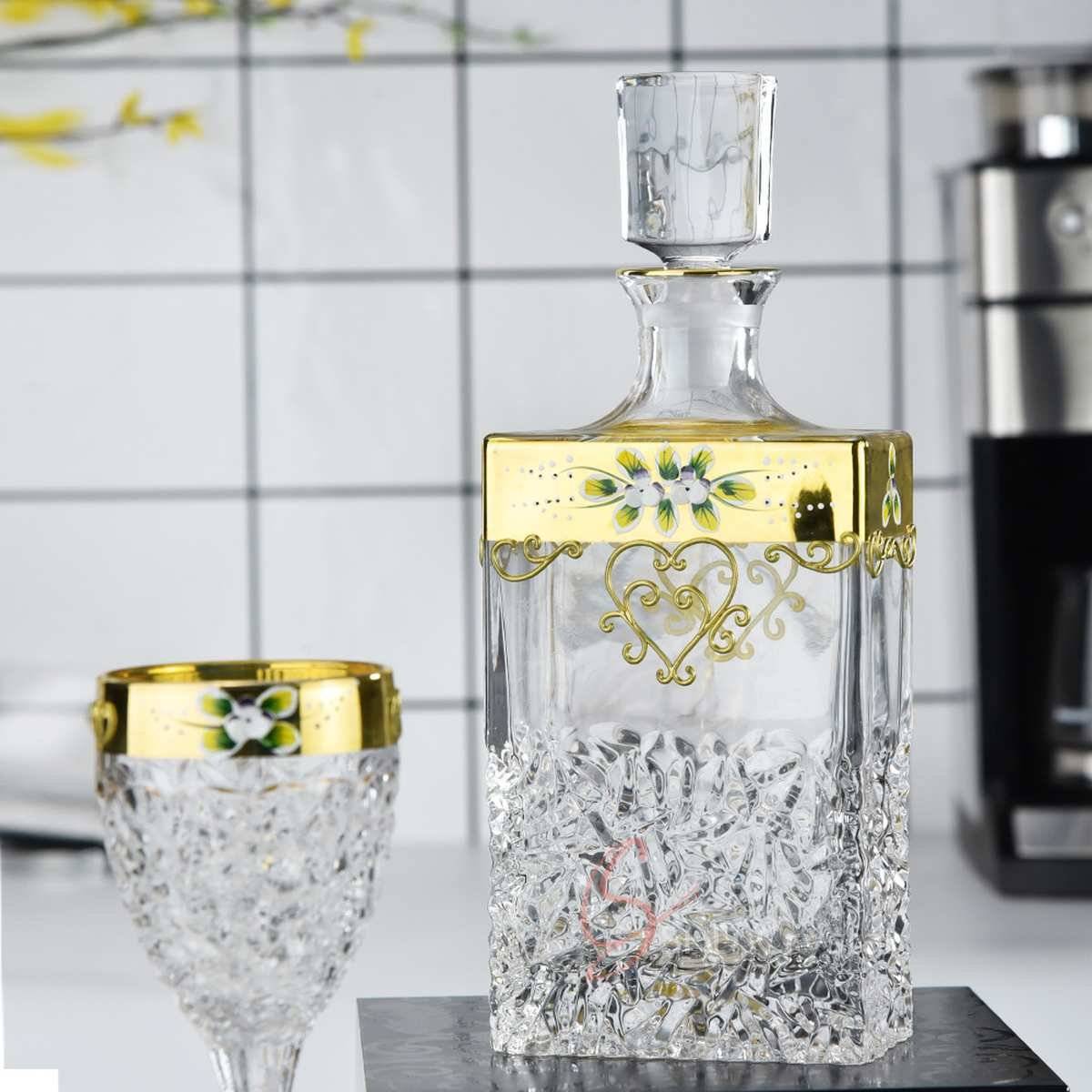
Custom Liquor Bottle Supplier Selection Guide
A custom liquor bottle supplier can influence far more than the final bottle price. For spirits brands, importers, and private-label buyers, the supplier affects mold feasibility, decoration quality, closure matching, packaging safety, inspection standards, and repeat-order stability. A low quote may look attractive at first. A clear production plan usually protects the project better.
Where A Custom Liquor Bottle Supplier Adds Value Before Sampling
Supplier selection should not begin with a single unit price. It should begin with technical questions. What is the target fill volume? Which closure will be used? Does the bottle need embossing, frosting, screen printing, coating, electroplating, or a paper label? Will the finished product be sold on retail shelves, in bar programs, as gift sets, or through online channels?
These details help determine whether custom glass bottles should use an existing mold, a modified mold, or a fully new mold. Each route has different cost, lead time, and development risk. Existing molds can support faster market testing. Modified molds may balance identity and budget. New molds allow stronger brand recognition, but they require stricter mold tolerance review, drawing confirmation, and sampling control.
For private label liquor bottles, the supplier should also evaluate how bottle shape, decoration, closure, and packaging work together. A premium box cannot protect a poorly balanced bottle. A beautiful label may fail if the panel curve is too aggressive. Small conflicts become expensive once they enter bulk production.
Supplier Comparison Should Go Beyond The Lowest Quote
One common mistake is comparing only the lowest offer. A lower unit price may exclude mold adjustment, color matching, sample revisions, inner packaging, stronger cartons, or inspection requirements. It may also hide weak quality-control planning. The cheapest option can become more costly if the first production run needs correction.
Another mistake is approving one good sample without asking about batch consistency. One sample does not prove stable production. Glass distribution, forming temperature, annealing behavior, manual finishing variation, and polishing pressure can all affect the final batch. If the bottle has a heavy base, sharp shoulder, square body, or deep embossing, wall thickness transition must be controlled carefully to reduce cooling stress.
Custom glass bottles also need realistic inspection standards. Slight bubbles, seam marks, mold lines, color variation, or dimensional deviation may be acceptable within agreed limits, depending on the design and production method. A reliable custom liquor bottle supplier explains these limits clearly instead of promising unrealistic perfection.
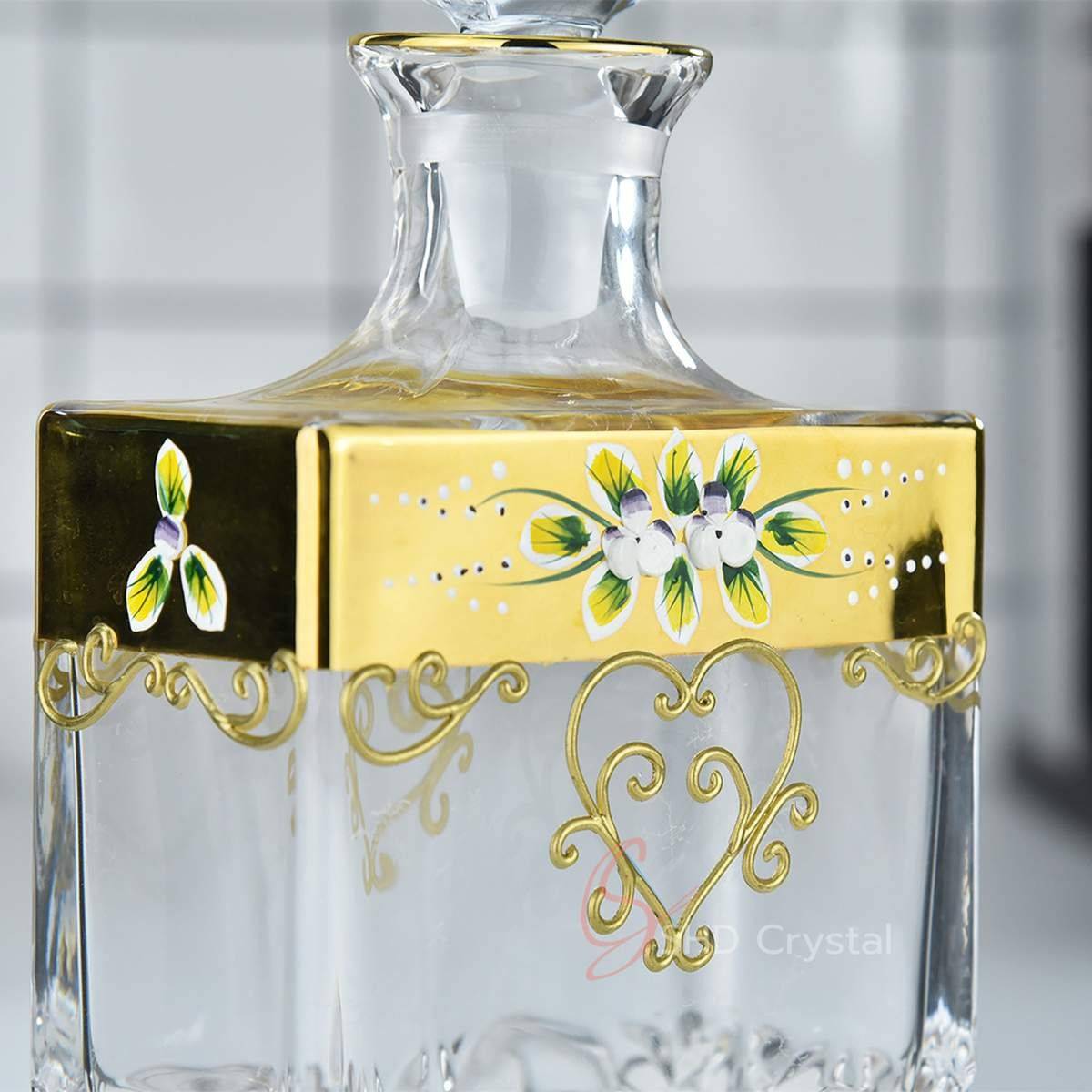
Procurement Factors That Deserve Early Attention
Supplier selection should include technical response speed, drawing support, mold knowledge, decoration options, packaging engineering, export experience, and documentation ability. Clear communication matters. So does evidence. Buyers should request drawings, sample photos, packing details, tolerance notes, and inspection references when the project requires custom development.
For private label liquor bottles, closure sourcing is another important point. If the cap, cork, stopper, or decorative closure comes from another supplier, the fit must be checked before mass production. A small neck mismatch can affect sealing, assembly efficiency, filling-line performance, and customer perception.
Packaging should be reviewed with the same seriousness as the bottle itself. Heavy bottles may need reinforced dividers. Sculptural bottles may need fitted trays. Online retail packs may require stronger drop protection. These are not decorative extras. They protect the buyer’s investment during transport, storage, and final delivery.
Conclusion
Choosing a custom liquor bottle supplier is really about reducing uncertainty before the order becomes expensive. The right partner helps buyers connect design intent with glass behavior, decoration limits, closure fit, inspection standards, and shipping protection. That makes the final product easier to approve, easier to pack, and easier to repeat across future orders.
Building A Stronger Supplier Brief
For buyers developing custom glass bottles or private label liquor bottles, a clear brief can save time and reduce unnecessary sample revisions. Target capacity, reference style, closure choice, decoration plan, packaging format, inspection expectations, and estimated order quantity allow a custom liquor bottle supplier to suggest a more practical route from sample development to bulk production.