Blogpost keywords: custom glass lampshade supplier, hand blown glass shades, architectural glass lighting
A custom glass lampshade supplier supports decorative lighting projects through hand blown glass shades and architectural glass lighting.
Custom Glass Lampshade Supplier For Lighting Design
A custom glass lampshade supplier is rarely selected simply to provide a replacement part. In most lighting projects, the lampshade plays a critical role in shaping how light is distributed, perceived, and experienced within a space.
Two fixtures may use the same light source, wattage, and hardware. Yet the atmosphere they create can feel completely different because of the glass surrounding the light.
For designers, the lampshade is not just a decorative element. It is a tool for controlling light itself.
How A Custom Glass Lampshade Supplier Influences Light Quality
Light changes character as it passes through glass.
The thickness, color, surface treatment, and shape of a lampshade all affect how illumination spreads throughout a room. This is one reason architects and lighting designers frequently work with a custom glass lampshade supplier when developing hospitality, residential, and commercial projects.
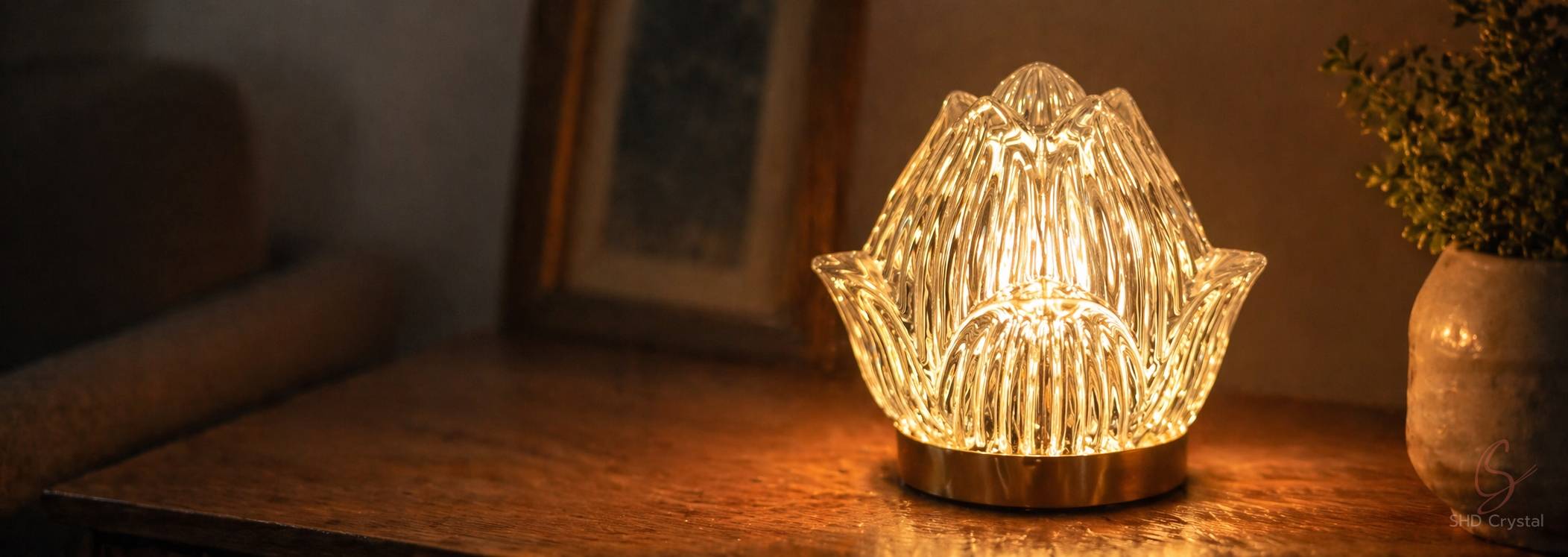
Clear glass may maximize brightness and highlight the light source. Frosted finishes can soften glare and create more comfortable ambient illumination. Textured surfaces introduce subtle shadows and visual depth.
The lampshade becomes an optical filter rather than merely a protective cover.
The Relationship Between Shape And Light Distribution
Shape has a significant influence on lighting performance.
A wide open shade often directs light outward and downward. Narrower forms may concentrate illumination and create more focused lighting zones.
This relationship is particularly important in architectural glass lighting projects where lighting contributes directly to spatial experience.
For example:
- Globe shades create balanced diffusion
- Bell-shaped shades emphasize downward light
- Cylindrical forms create structured illumination
- Organic shapes introduce softer transitions
Designers often evaluate shade geometry as carefully as they evaluate fixture design.
Why Handcrafted Glass Remains Popular
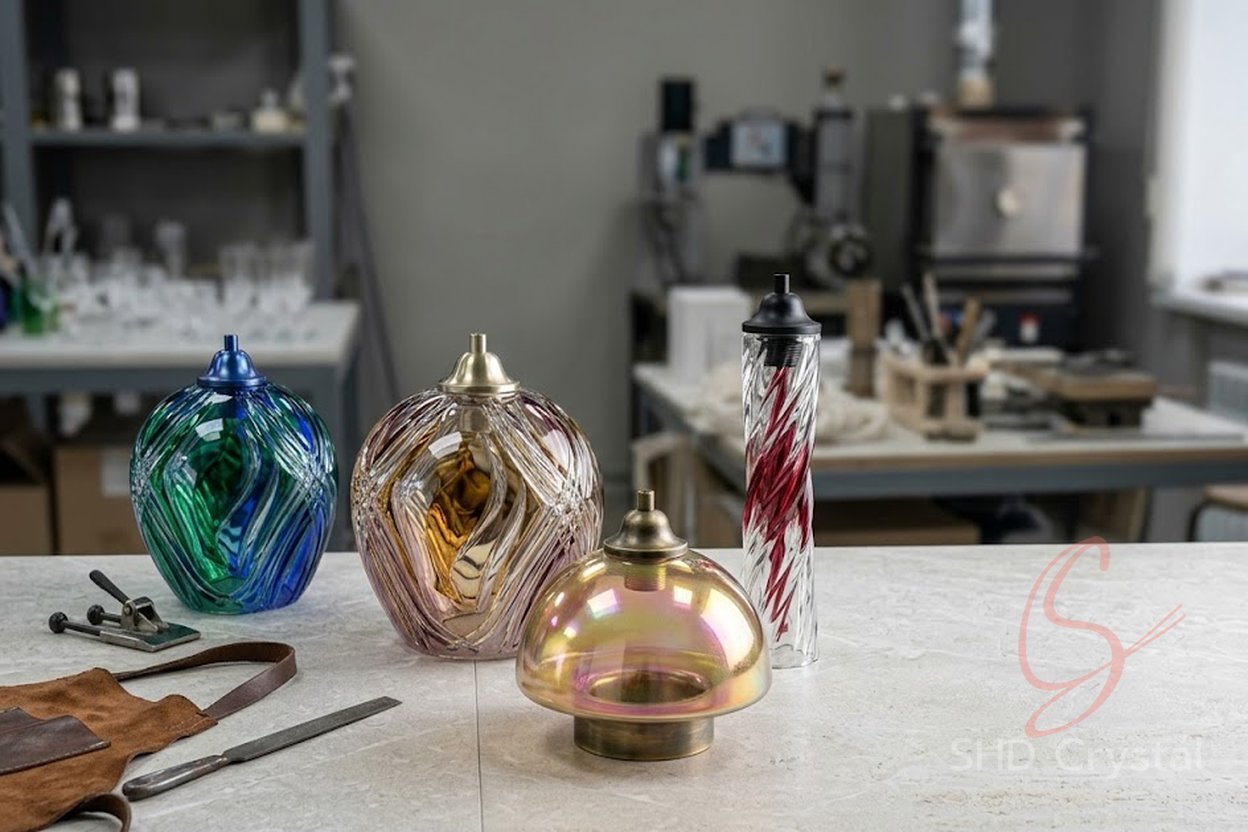
Despite advances in automated production, hand blown glass shades continue to attract designers seeking individuality.
Small variations in form, thickness, and internal character can create subtle differences in how light interacts with the material. These details often contribute to a more artisanal appearance that is difficult to replicate through purely industrial processes.
In hospitality projects, restaurants, boutique hotels, and luxury residences, this uniqueness can become part of the overall design narrative.
The goal is not perfect uniformity.
The goal is controlled character.
Common Misconception About Decorative Glass Shades
A common misconception is that lampshades are selected primarily for appearance.
Appearance matters, but performance often matters more.
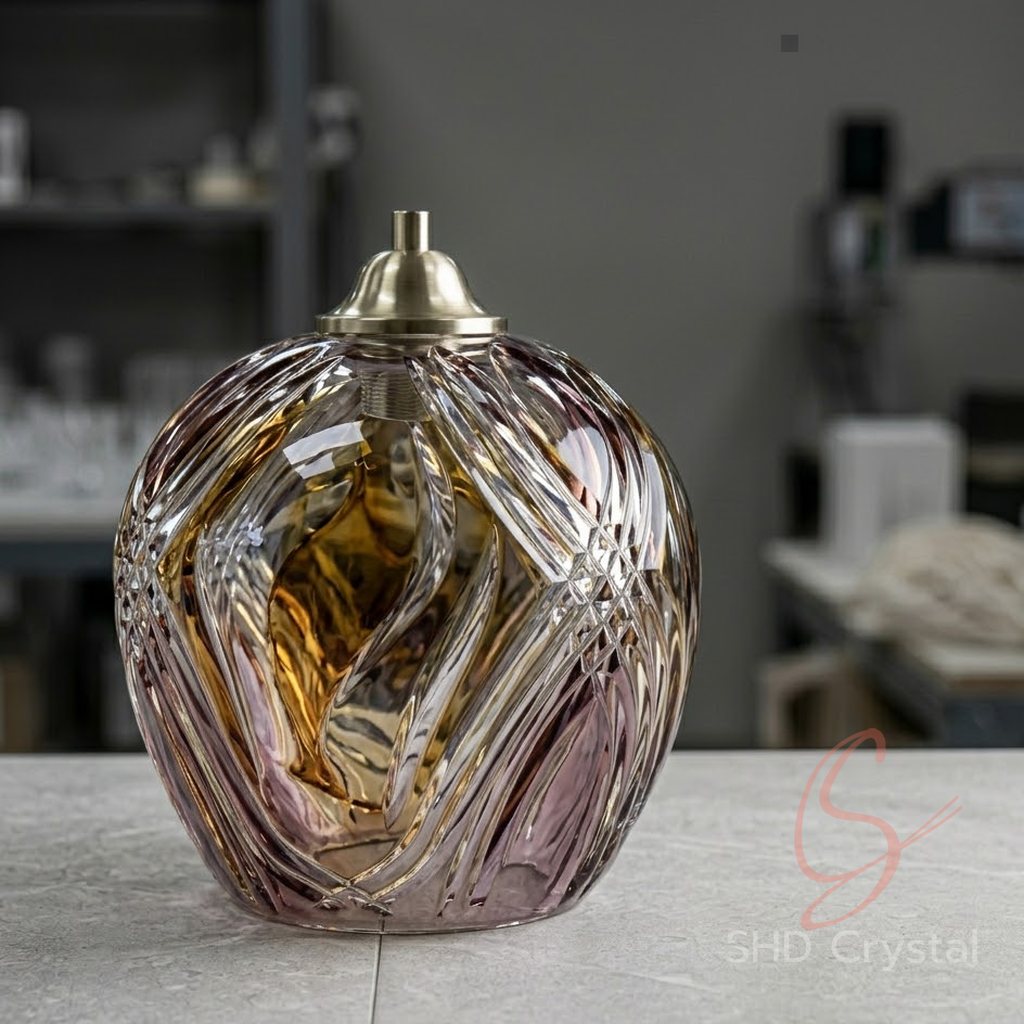
An attractive shade that produces excessive glare may ultimately undermine the quality of a space. Likewise, a visually simple shade may create exceptional lighting conditions because it distributes illumination more effectively.
An experienced custom glass lampshade supplier therefore evaluates both aesthetics and optical behavior during development.
Light and form must work together.
Design Factors That Influence Project Outcomes
When specifying custom shades, designers frequently review several variables:
- Glass transparency
- Surface texture
- Shade geometry
- Wall thickness
- Mounting compatibility
- Color characteristics
Among these factors, wall thickness can have a surprisingly large impact. Thicker glass may create a richer visual presence and modify light transmission, while thinner glass often emphasizes brightness and delicacy.
The ideal solution depends on the intended atmosphere rather than a universal design rule.
Supporting Distinctive Interior Concepts
In contemporary interiors, lighting often functions as both illumination and visual centerpiece.
This trend has increased demand for architectural glass lighting elements that contribute to the overall identity of a space. Restaurants, hotels, luxury residences, and commercial projects increasingly use customized glass components to create lighting systems that feel unique rather than standardized.
A carefully designed lampshade can become the focal point of an entire room.
In many projects, it is the first lighting element people notice.
Conclusion
Working with a custom glass lampshade supplier is ultimately about shaping light as much as shaping glass. The right combination of form, transparency, texture, and craftsmanship can transform how a space feels, making the lampshade an essential design component rather than a secondary accessory.
Developing Lighting That Reflects Design Intent
For designers, lighting brands, and architectural projects seeking distinctive visual results, a custom glass lampshade supplier can provide guidance on shade geometry, optical behavior, material selection, and OEM development solutions that align with both aesthetic goals and lighting performance requirements.
Read the original article on custom crystal glass manufacturing:https://shdcrystal.com/blogs/custom-glass-lampshade-supplier/