Blogpost keywords: custom whiskey bottle mold, glass bottle tooling, whiskey bottle development
Custom whiskey bottle mold planning affects glass bottle tooling, whiskey bottle development, and production feasibility.
Why Bottle Design Decisions Often Determine Mold Complexity
A custom whiskey bottle mold is one of the most important investments in a packaging development project. While brands often focus on bottle appearance, many production challenges originate from design choices made long before tooling begins.
A bottle may look impressive in a rendering, but every curve, embossing detail, and structural feature eventually becomes part of the mold. As complexity increases, tooling requirements often become more demanding.
Understanding this relationship early helps brands avoid unnecessary costs and development delays.
How A Custom Whiskey Bottle Mold Influences Production Feasibility
The primary purpose of a custom whiskey bottle mold is not simply to create a shape. The mold must also support repeatable production, dimensional consistency, and reliable glass distribution.
During whiskey bottle development, engineers evaluate whether a design can be formed efficiently while maintaining appearance and functionality.
Several factors influence tooling strategy, including:
- Bottle geometry
- Base thickness
- Embossing depth
- Neck structure
- Decoration requirements
- Production volume expectations
A visually successful design must also be manufacturable.
Why Certain Bottle Shapes Increase Tooling Complexity
Not all bottle forms create the same tooling challenges.
Simple symmetrical structures are generally easier to support than highly sculptural designs. Features that often increase glass bottle tooling complexity include:
- Deep embossing
- Sharp geometric transitions
- Complex shoulder profiles
- Asymmetrical forms
- Integrated decorative reliefs
- Unusual base structures
These elements may strengthen brand identity, but they also require additional engineering attention during mold development.
Design ambition should be balanced with production practicality.
The Relationship Between Embossing And Mold Design
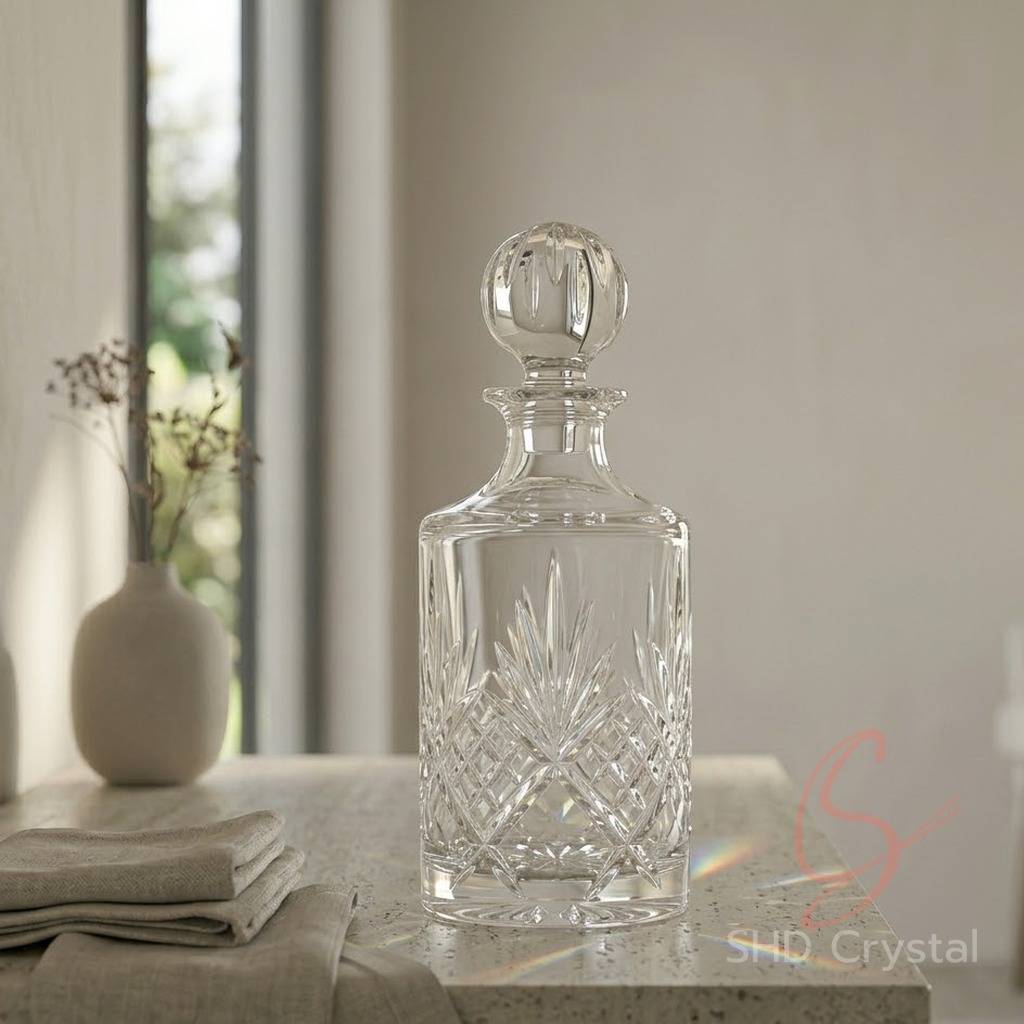
Many whiskey brands use embossed logos, patterns, and decorative details to create stronger shelf recognition.
While these features can be highly effective, they directly affect the complexity of a custom whiskey bottle mold.
Fine details require precise machining. Deep embossing may influence glass flow. Decorative features positioned near structural transitions can affect forming consistency.
The challenge is preserving visual impact without introducing unnecessary manufacturing risk.
Successful embossing begins with good engineering.
Common Misconception About Tooling Investment
A common misconception is that the most expensive mold automatically produces the best bottle.
In reality, tooling value depends on project requirements.
An overengineered mold may increase development costs without improving commercial performance. Conversely, insufficient tooling planning can create production limitations that become expensive later.
The objective of whiskey bottle development is not maximum tooling complexity.
The objective is achieving the required result efficiently.
Why Base Design Deserves Special Attention
Premium whiskey bottles frequently feature thick or visually heavy bases.
These elements help create a perception of value, but they also influence tooling and production behavior.
Large glass mass concentrations can affect:
- Glass distribution
- Cooling behavior
- Annealing performance
- Weight consistency
For this reason, base development often becomes a major focus during glass bottle tooling review.
A visually impressive base must also support stable production.
Tooling Decisions Affect Future Production
Many buyers evaluate mold investment only from the perspective of initial cost.
However, tooling decisions continue influencing production long after the mold is completed.
Factors such as maintenance requirements, dimensional stability, and long-term consistency are all connected to tooling quality and design strategy.
A properly developed custom whiskey bottle mold helps support future sampling, production scaling, and repeat orders with fewer adjustments.
The mold becomes the foundation of the entire packaging program.
Conclusion
A custom whiskey bottle mold is far more than a manufacturing tool. It represents the point where branding concepts, engineering requirements, and production realities come together. By understanding how bottle design affects tooling complexity, brands can make better development decisions and reduce unnecessary project risk.
Planning Tooling Before Problems Appear
For distilleries, private-label spirits brands, commemorative releases, and premium packaging projects, careful custom whiskey bottle mold planning helps balance design creativity, production feasibility, and long-term manufacturing consistency. Early engineering review often prevents costly tooling revisions and improves project outcomes.
Read the original article on custom crystal glass manufacturing:https://shdcrystal.com/blogs/custom-whiskey-bottle-mold/