
A fragrance bottle manufacturer project is never evaluated by bottle appearance alone. In perfume packaging, the bottle has to work as part of a complete system that includes the pump, collar, cap, decoration, carton, and shipping method. A concept sketch may look refined, but it only becomes a viable product when the structure can be molded consistently, assembled correctly, packed safely, and repeated across future production runs. For that reason, custom development starts with engineering logic as much as visual direction.
Why Fragrance Bottle Manufacturer Planning Must Start With The Full Packaging System
A fragrance bottle is not an isolated item. It belongs to a packaging program that combines aesthetics, filling requirements, component fit, and transport protection. A heavy-base glass fragrance bottle may create a stronger shelf presence, but it also changes freight cost, inner tray structure, and drop-risk during shipping. A slim bottle may look elegant, yet it can create challenges if stability, label area, or pump alignment are not considered early.
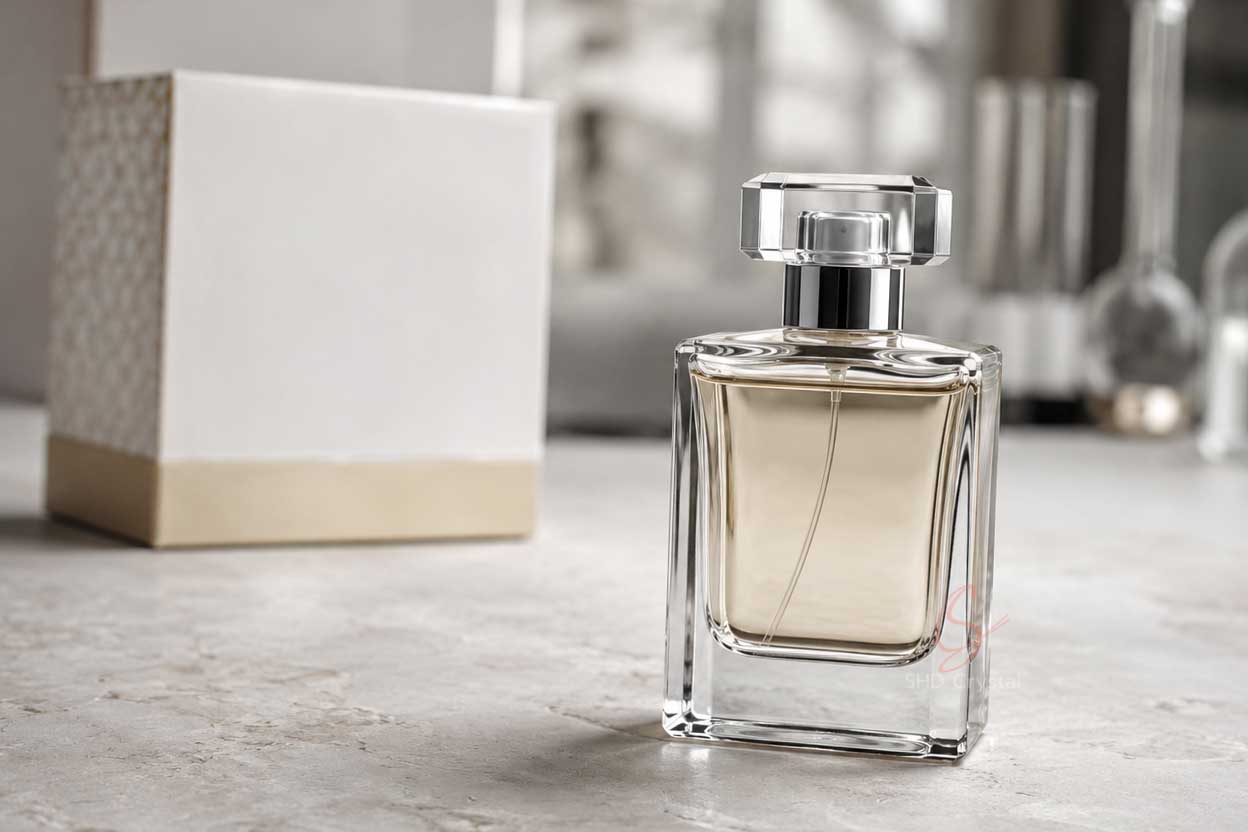
Most buyers begin with visual references such as square, rounded, sculptural, or vintage-inspired shapes. The next step is turning that direction into a technical brief. Before tooling starts, the project should define target capacity, overflow volume, neck finish, approximate bottle weight, decoration route, and component direction. When a custom high-end perfume bottles brief stays too abstract, sampling tends to take longer and supplier quotations become harder to compare accurately.
Material choice should also be discussed carefully. Glass remains a preferred packaging material for many perfume projects because it offers visual clarity, a premium hand feel, and strong decoration potential. Even so, not every formula, decoration plan, or retail channel calls for the same bottle weight or wall profile. For alcohol-based or essential-oil-heavy products, brands should still confirm compatibility with the actual formula, closure system, and decoration plan rather than assuming one structure fits every fragrance application.
Mold planning comes before decoration. In our OEM work, we review shoulder symmetry, neck alignment, wall thickness transition, and base structure before discussing frosting, printing, or coating. These details directly influence production stability. A design with a thick base and thin side walls may look attractive, but it also requires more careful control over forming temperature and annealing behavior to reduce residual stress and maintain batch consistency.
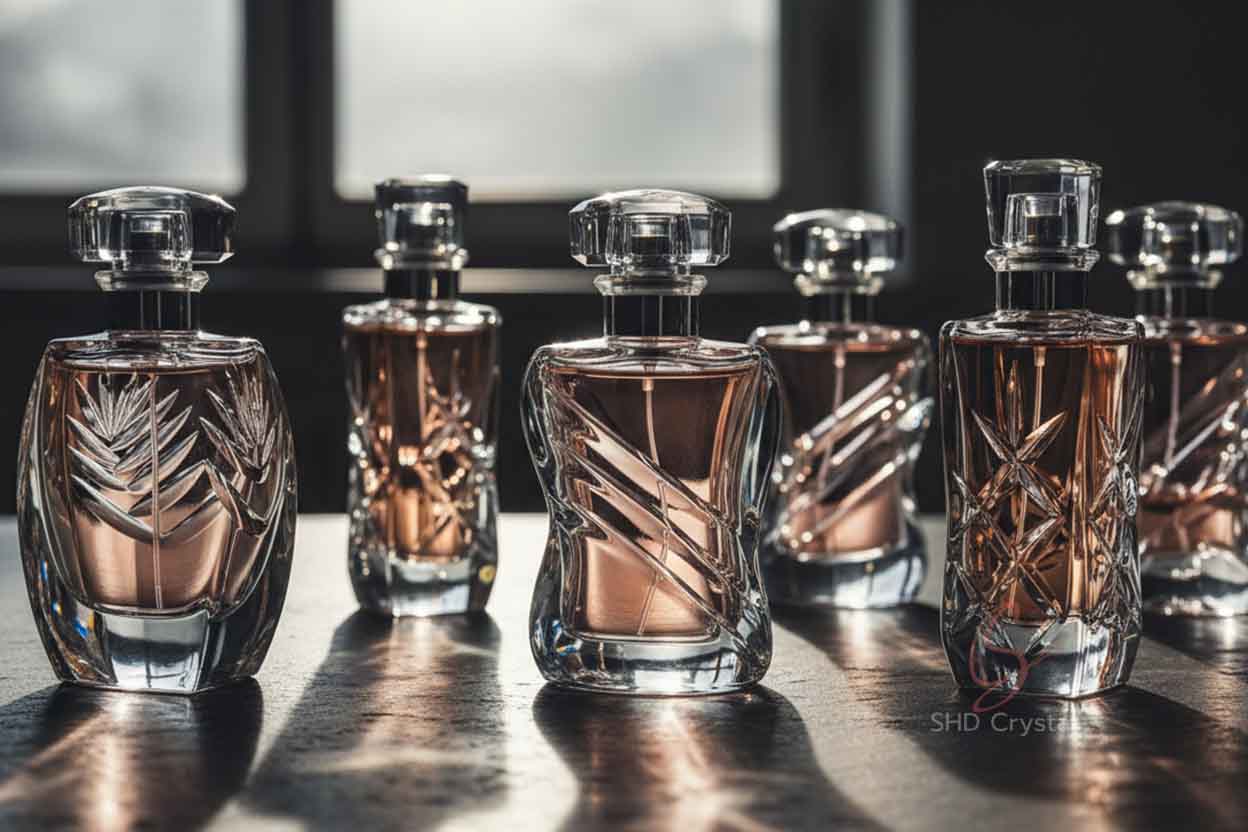
Decoration is another area where creative intent has to meet process reality. Frosting can soften the visual mood. Gradient coating may strengthen shelf contrast. Screen printing generally performs better on smoother decoration panels, while deep curves or narrow logo zones may reduce print accuracy. For that reason, a glass fragrance bottle should include a practical branding area instead of forcing decoration onto surfaces that are difficult to control in mass production.
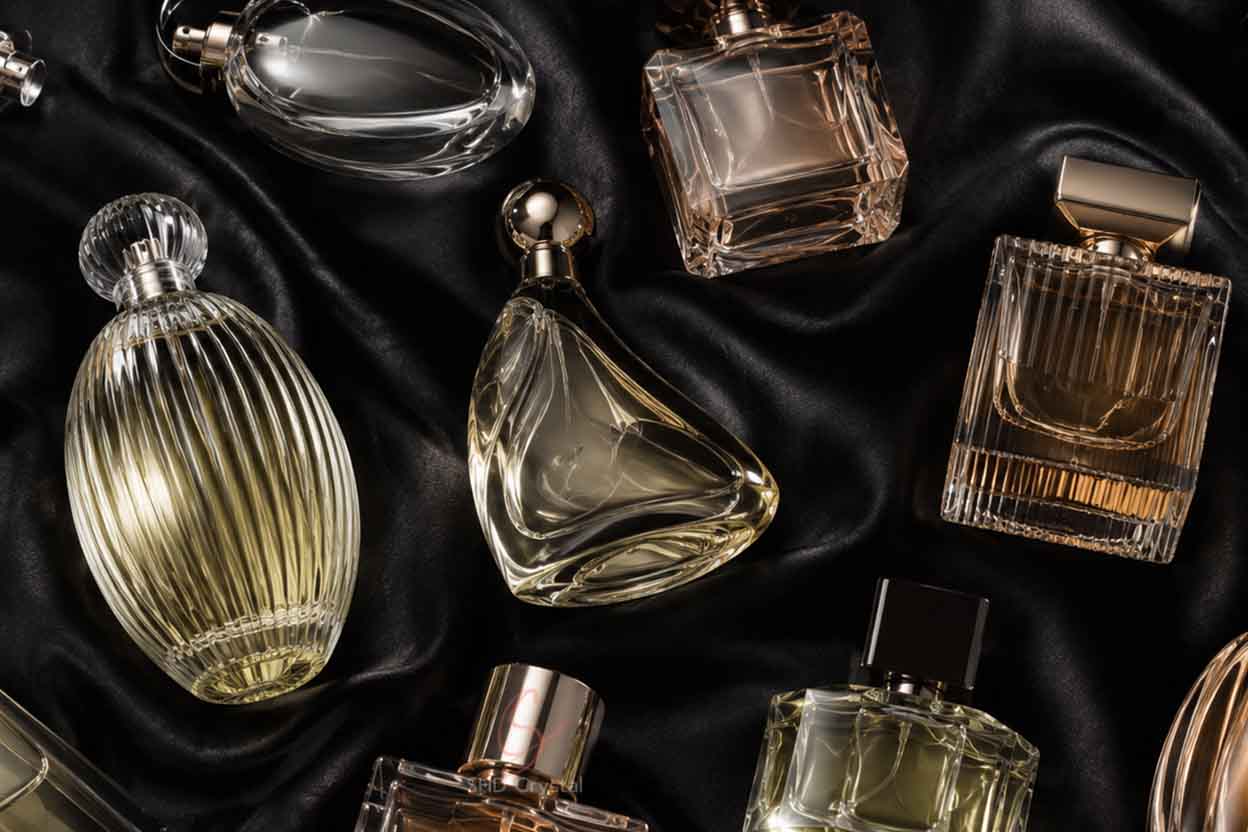
Procurement risk often appears in specification gaps rather than in the bottle itself. Two suppliers may quote very different prices for the same-looking custom high-end perfume bottles because bottle weight, mold standard, cap quality, decoration process, packaging method, or inspection level are not aligned. Timeline is another commonly underestimated factor. Tooling, sample review, pump and cap matching, color confirmation, and pre-production approval all require coordination. Brands that share launch schedule, expected order range, and component expectations early usually move through development more smoothly.
At SHD Crystal, we often suggest that buyers test the complete package rather than approving the glass alone. A bottle may look excellent as an empty sample, yet issues can still appear later if pump torque, collar fit, sealing performance, or carton support are not checked together. Good development is not about making the most visually complex bottle. It is about making packaging that remains practical from sampling through shipment and repeat production.
Conclusion
A fragrance bottle manufacturer should be evaluated by more than bottle style. Successful perfume packaging depends on how well the supplier translates brand direction into a manufacturable structure, coordinates mold development with component fit, and manages decoration and packing as part of the same system. The best results come from balancing appearance, technical control, compatibility testing, and repeat-order stability.
Building A Clearer Development Brief
For brands planning a new fragrance bottle manufacturer project, SHD Crystal recommends preparing a practical brief that includes reference style, target capacity, neck finish, cap direction, decoration plan, order range, and preferred glass fragrance bottle weight. If the project involves a custom high-end perfume bottles, sharing formula characteristics, launch timing, and packaging expectations early helps us review feasibility, sampling risk, tooling direction, and production control more effectively.
Exclusive Release by SHD Crystal
Custom Crystal Glass OEM Manufacturer
This article is originally published by SHD Crystal. Original Link: https://shdcrystal.com/blogs/fragrance-bottle-manufacturer/