
 > Blogs > 7 Production Process of Colored High-Transmittance Glass: From Raw Material to Radiance
Table of Contents
Blogpost keywords: colored high-transmittance glass, custom colored crystal glass, high clarity glass production
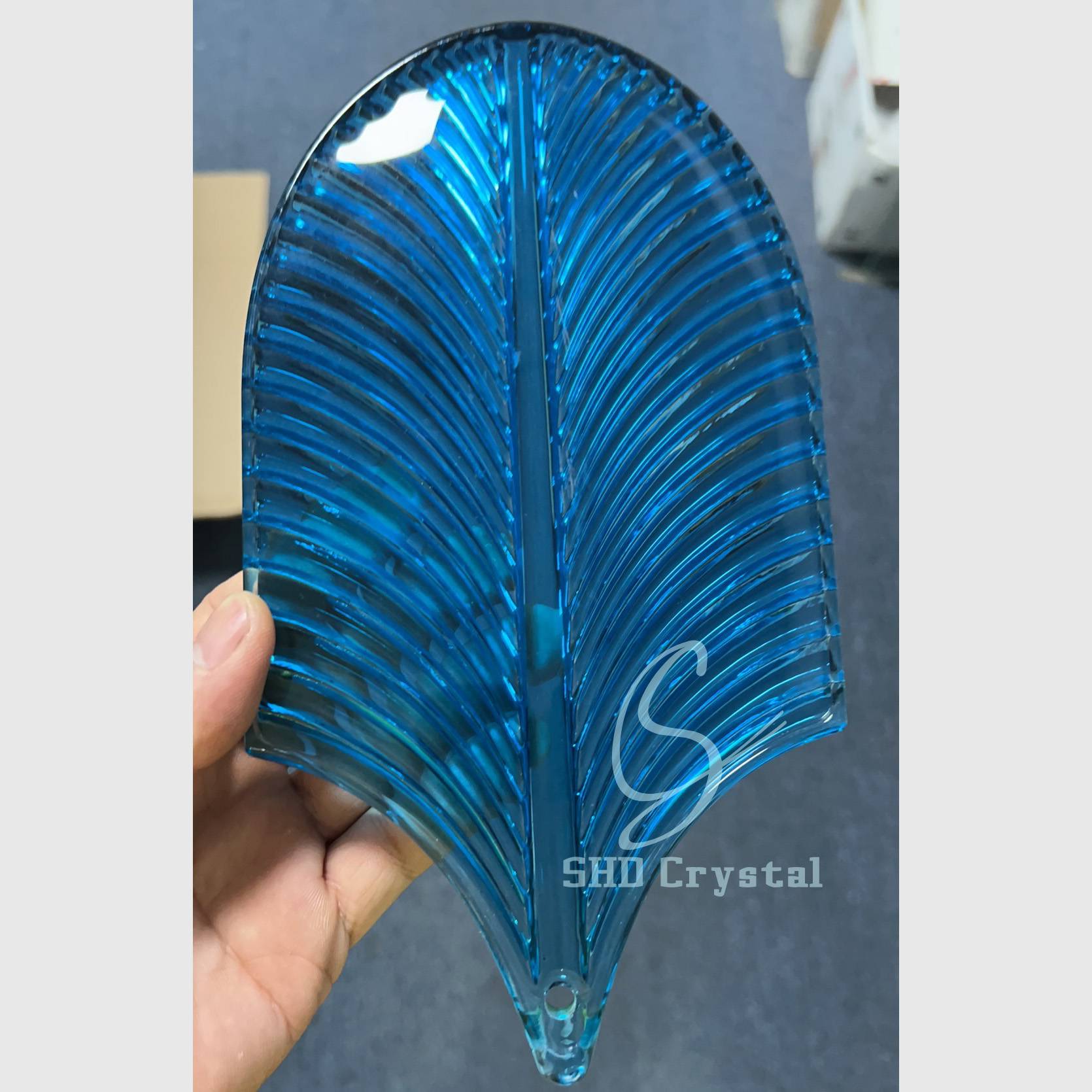
Colored high-transmittance glass is used when a glass product needs both vivid color and clear light transmission. In custom crystal glass manufacturing, this material is not only about adding color to transparent glass. It requires careful control of raw materials, melting stability, forming thickness, annealing, and final surface quality. For decorative serveware, vases, lighting shades, and custom crystal objects, even small changes in color ratio or wall thickness can affect the final visual result.
What Makes Colored High-Transmittance Glass Different
Ordinary colored glass may focus mainly on appearance, while colored high-transmittance glass must maintain visual clarity at the same time. This means the base glass needs to be clean, low in visible impurities, and suitable for controlled coloring. Metal oxides are commonly used to create different tones, such as cobalt for blue, chromium for green, and selenium-based compounds for warm amber or red effects.
In decorative glass production, the final color is also influenced by product shape. A thick bowl base, a curved vase wall, or a molded tray edge may all appear darker than thinner areas. This is why color confirmation cannot rely only on a small flat sample. For custom colored crystal glass manufacturing, sampling should consider the actual product form, wall thickness, and lighting environment.
Manufacturing Control From Batch to Forming
The production process begins with carefully selected raw materials and controlled batch mixing. Uniform distribution of colorants is essential because uneven mixing may create streaks, cloudy areas, or visible tone shifts. During melting, the glass batch is heated to a high temperature until the base material and colorants fully integrate. Refining is also important because bubbles, stones, and internal haze become more visible in transparent colored glass.
After melting, the forming method is selected according to the product design. Hand blowing is suitable for artistic shapes, vases, and organic decorative forms. Press molding is better for bowls, trays, and structured serveware where repeatability is important. Mold-assisted forming can help OEM projects maintain consistent dimensions across small-batch or medium-batch production. In each method, thickness control is a key factor because the same color formula may look different when the glass body becomes thicker or thinner.
Annealing, Finishing, and Visual Quality
After forming, colored high-transmittance glass must be annealed under controlled cooling conditions. This step reduces internal stress and helps prevent cracking, deformation, or delayed breakage. For decorative and functional glassware, stable annealing is important not only for safety but also for long-term product reliability.
Surface finishing further affects the appearance of the final product. Fire polishing can improve smoothness and clarity, while edge polishing makes serveware safer to handle. Frosting, sandblasting, or acid polishing may be used when a softer texture is required, but these treatments must be planned carefully because they can reduce perceived transparency. For decorative high clarity glass production, finishing should support the design rather than weaken the material’s optical effect.
Common Challenges in Custom Production
The main challenge in this material is balancing color depth with light transmission. Darker formulas often create stronger visual impact but may reduce clarity. Lighter formulas preserve transparency but may look weak in thick sections. Batch-to-batch color consistency is another important issue, especially for OEM orders that require repeated production over time.
Surface defects are also easier to notice in colored transparent glass. Small bubbles, scratches, flow lines, or uneven polishing may become visible under strong lighting. This is why inspection should include both daylight and indoor lighting conditions. For products such as bowls, trays, vases, and lighting shades, dimensional accuracy, base flatness, edge quality, and color uniformity should all be checked before packaging.
When This Material Is Suitable
Colored high-transmittance glass is especially suitable for decorative serveware, colored crystal vases, artistic glass objects, and lighting components where the product needs both color and clarity. It works well for brands that want a more expressive material than clear glass but still need a refined, premium appearance.
For custom projects, the best results usually come from early coordination between design, material selection, sample confirmation, and production planning. When color, thickness, forming method, and finishing are considered together, the final glass product can achieve stronger visual consistency and better manufacturing stability.
Conclusion
Colored high-transmittance glass is not simply transparent glass with added color. It is a material that requires coordinated control across raw material selection, melting, forming, annealing, finishing, and inspection. In custom crystal glass manufacturing, its value comes from the ability to combine vivid color, optical clarity, and stable product quality.
For brands developing custom colored crystal glass products, SHD Crystal can support color sampling, forming feasibility review, surface finishing planning, and small-batch production control for decorative and functional glass applications.
Custom Glass Manufacturing Support from SHD Crystal
For brands, designers, and procurement teams developing custom glass products, SHD Crystal provides end-to-end manufacturing support covering material selection, color development, forming feasibility evaluation, and surface finishing planning. Instead of working only from final drawings, we help assess how colored high-transmittance glass will perform under real production conditions, including wall thickness behavior, color stability, and optical consistency across different forming methods.
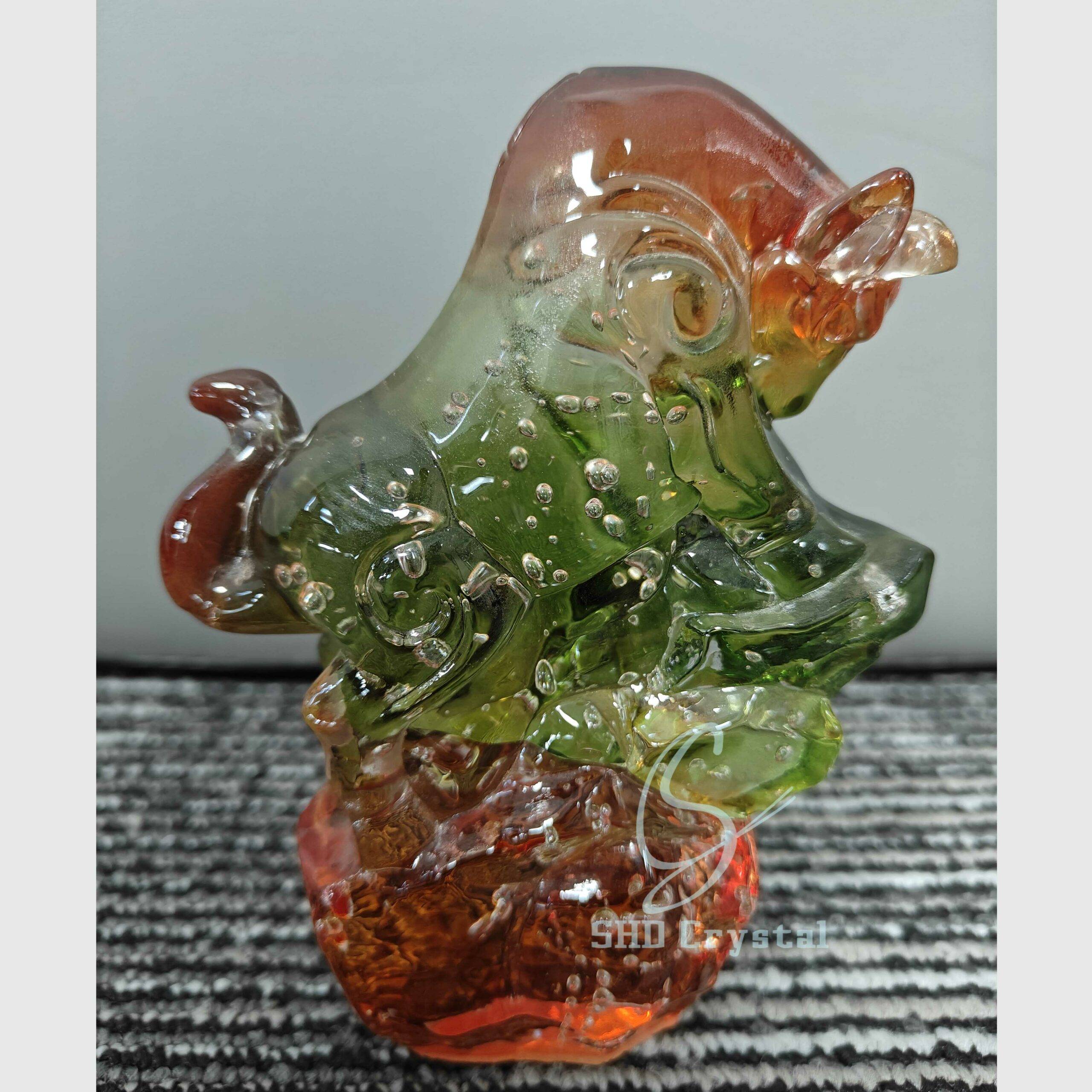
Our custom glass manufacturing service is especially suitable for decorative glassware, crystal serveware, lighting components, and OEM product lines that require both visual refinement and production stability. From early sampling to small-batch and scaled production, we work closely with clients to ensure that design intent can be reliably translated into manufacturable glass products.
If you are exploring new product development in colored crystal glass or related decorative glass categories, you can learn more about our structured manufacturing capabilities through our Bespoke Crystal Glass Manufacturing services pages for deeper technical reference and application guidance.