
Blogpost Keywords: bamboo lid bottle OEM, natural-cap bottle design, eco-style container customization
Bamboo lid bottle OEM supports natural-cap bottle design and eco-style container customization for drinkware, beauty, and kitchen lines.
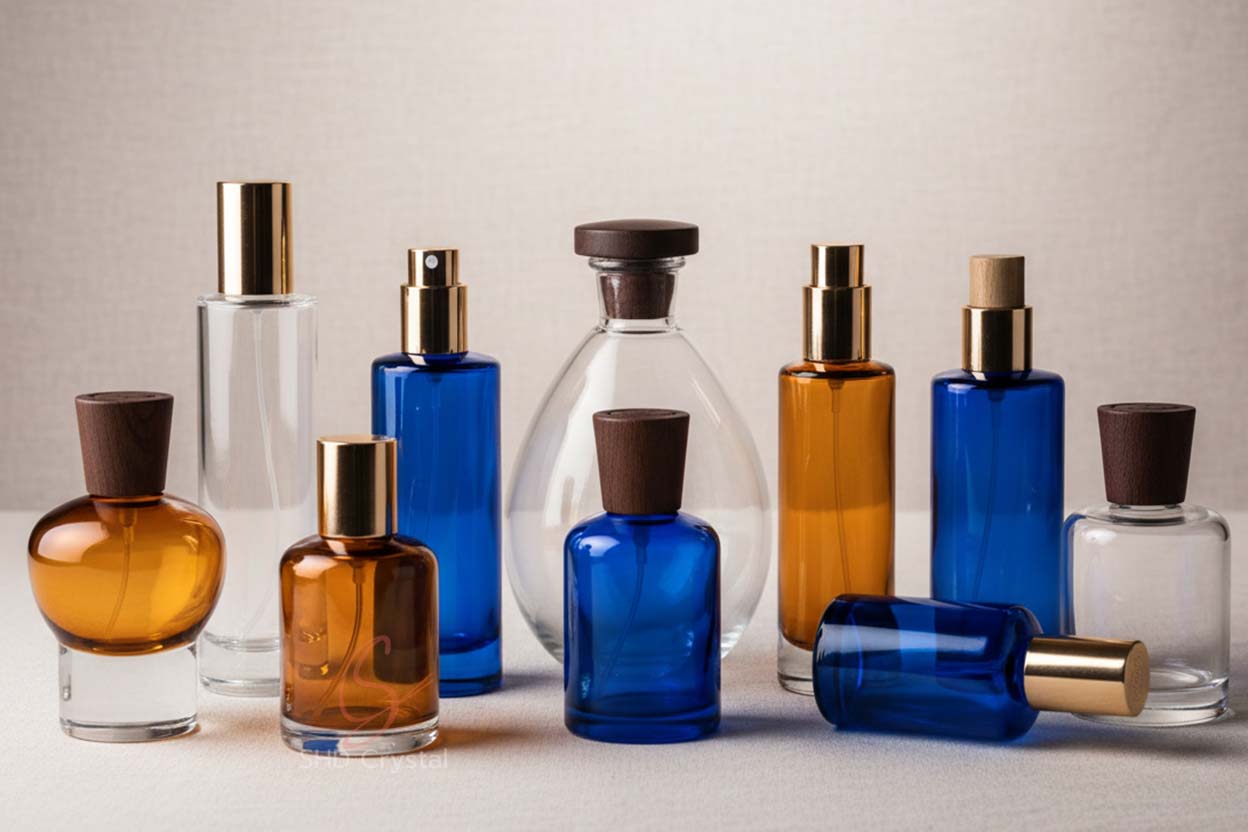
Bamboo Lid Bottle OEM for Modern Multi-Category Packaging
bamboo lid bottle OEM has become a useful direction for brands that want packaging to feel warmer, cleaner, and more lifestyle-driven than standard plastic-cap formats. Current supplier listings show the keyword is used across drinkware, cosmetic containers, and kitchen storage, not just one narrow product type. Glass water bottles with bamboo lids, cosmetic pump or spray bottles with bamboo-style closures, and seasoning bottles with bamboo lids all appear in OEM or custom-logo supply channels.
What Bamboo Lid Bottle OEM Changes in Product Positioning
One reason bamboo lid bottle OEM attracts attention is that the lid changes the visual story of the whole package. A basic cylindrical bottle can feel far more giftable or premium once the closure introduces a natural material cue. That is especially useful in categories where the package needs to suggest simplicity, wellness, or a more natural lifestyle. Supplier listings show this direction already exists in reusable bottles, refillable cosmetic packaging, and kitchen containers, which suggests the appeal is commercially broad rather than category-specific.
This is where natural-cap bottle design becomes valuable. The goal is not only to replace a cap material. It is to create a bottle that feels more intentional on a shelf, in a gift box, or in a social-media-friendly product shot. For many brands, eco-style container customization works best when the bamboo detail is treated as part of the product identity rather than a small decorative add-on.
Why the Lid Material Should Be Planned With the Full Bottle
A common mistake is to choose the bamboo top only for appearance. In practice, bamboo lid bottle OEM needs better coordination between closure style, bottle use, sealing structure, and filling method. A water bottle, a lotion bottle, and a seasoning bottle may all share the bamboo-lid look, but they do not need the same closure engineering or user experience. Marketplace examples show these bamboo-lid formats spanning very different applications, from borosilicate drinkware to dispensing bottles and spice containers.
That is why natural-cap bottle design should begin with function. The buyer should decide whether the product is meant for daily carry, countertop display, gift packaging, or refill use. Once that is clear, eco-style container customization becomes more effective, because decoration, printing, frosting, and closure structure can all be aligned with the real use case.
Why This Style Matches Current Packaging Preferences
The broader packaging environment also supports this direction. The global sustainable packaging market was valued at about USD 272.93 billion in 2023 and is projected to reach about USD 448.53 billion by 2030, while Grand View Research also notes growing consumer preference for bamboo-based products as eco-friendly natural alternatives.
That does not mean every product needs a bamboo lid. It does mean bamboo lid bottle OEM fits a wider market movement toward packaging that looks less synthetic and more material-conscious. In practical terms, natural-cap bottle design can help a product feel more aligned with wellness, home organization, refill culture, and premium lifestyle merchandising. For eco-style container customization, that visual signal can matter just as much as the bottle silhouette itself.
What Buyers Should Confirm Before Sampling
Before approving production, buyers should confirm the bottle category, closure construction, sealing method, moisture exposure, logo process, and carton protection. This matters because bamboo-lid bottles now appear in several product families, and each one creates different requirements for leak resistance, finish durability, and user handling. OEM and customized examples on sourcing platforms also show that buyers commonly request logo printing, custom packaging, and multiple size options.
In other words, bamboo lid bottle OEM should be reviewed as a full packaging system. A strong sample is not just attractive. It should also feel practical, seal correctly, and survive transport without losing the finish quality that made the concept appealing in the first place.
Conclusion
bamboo lid bottle OEM works best when the brand uses it to connect visual identity with practical packaging use. When the closure style, bottle function, and finishing direction are planned together, the result can feel more premium, more natural, and more commercially adaptable across several product categories.
A Useful Direction for Future Packaging Projects
If your next launch needs a bottle that feels cleaner and more lifestyle-oriented than a standard closure format, bamboo lid bottle OEM is worth reviewing at the sample stage. A careful discussion around closure structure, surface finish, and category fit can turn a simple material change into a stronger branding asset.