
Blogpost keywords: custom glass water bottle with wooden lid, wooden lid glass bottle, reusable glass bottle
Custom glass water bottle with wooden lid project guidance for wooden lid glass bottle and reusable glass bottle development with fit checks.
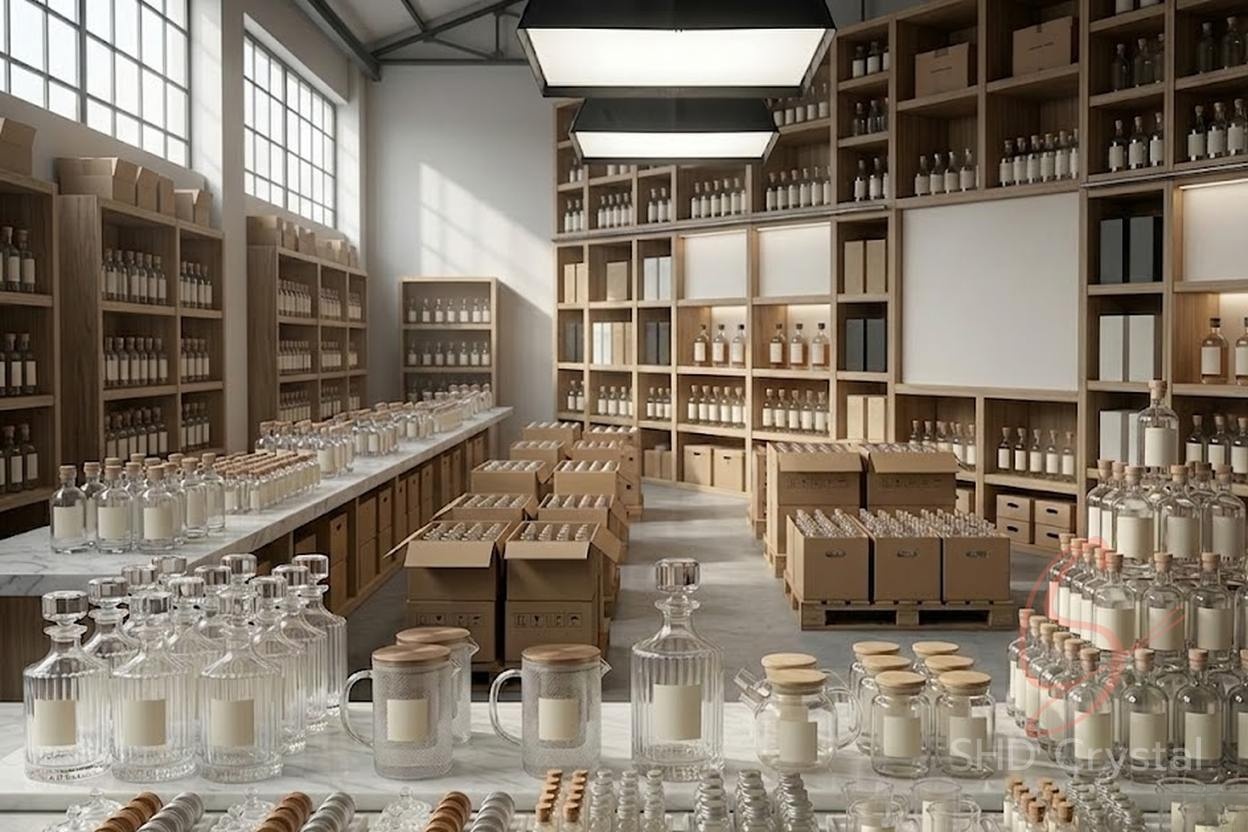
Custom Glass Water Bottle With Wooden Lid Supplier Guide
Custom glass water bottle with wooden lid development should not begin with the lid color, wood grain, or lifestyle image. Those details matter, but the real product value is decided by how the glass mouth, wooden lid, and sealing ring behave after repeated opening, closing, packing, and handling. A bottle that looks calm and natural in a sample photo can still create problems if the mouth tolerance is unstable or the lid fit changes after storage.
Custom Glass Water Bottle With Wooden Lid Fit Begins Before Decoration
The first technical checkpoint is the mouth area. It is small, visible, and highly functional. When users press or twist the wooden lid, they feel resistance immediately. If the lid enters too deeply, it may be difficult to remove. If the silicone ring does not compress enough, the seal may feel weak. If the glass rim is over-polished, the final diameter may shift slightly and affect the whole fitting experience.
This is why a wooden lid glass bottle should be reviewed as a connected assembly instead of two separate parts. The bottle mouth needs a stable inner diameter, smooth rim touch, and controlled roundness. The lid needs suitable machining tolerance, a clean coated surface, and enough space for the sealing ring to work without deformation.
The Main Misunderstanding About Wooden Lids
Many buyers see a wooden lid as an eco-style or decorative choice. In production, it is also a moving tolerance point. Wood may respond to humidity, coating thickness, drying level, and machining pressure. These changes are usually small, but they can become obvious when the fit depends on a narrow sealing range.
For a reusable glass bottle, the best structure is not always the tightest structure. A very tight lid may look secure at first, but it can create poor user comfort or inconsistent opening force. A slightly more forgiving design, supported by the right silicone ring, often performs better in real use.
Glass Structure Should Support The Lid Choice
Bottle shape affects lid performance more than many buyers expect. A narrow cylindrical bottle may look elegant, but it needs a stable base to avoid tipping. A wider body improves standing confidence, but it can make the product look heavier. Shoulder shape also matters because it influences cleaning access, hand grip, and glass wall transition.
Wall thickness transition is one production control factor that deserves early review. If the base is thick and the upper body becomes thin too quickly, cooling stress may increase during annealing. If the mouth area is too thin, polishing and handling risks become higher. A custom glass water bottle with wooden lid should feel balanced, not just visually attractive.
Finish, Packing, And Daily Handling Need One Test Plan
Surface finish should be selected according to how the bottle will actually be used. Frosting creates a soft appearance, but it may show rubbing marks if the packing divider is rough. Color spraying can make a stronger retail impression, but coating adhesion should be checked before bulk production. Printing near the mouth should be avoided unless the lid movement and hand contact have been tested.
A wooden lid glass bottle also needs careful packing review. The glass body must avoid side impact, while the wood surface should avoid scratches, dents, and coating marks. For a reusable glass bottle sold as a gift set, the tray, sleeve, divider, and carton should protect both materials without making the product difficult to remove.
Better Procurement Questions
Instead of asking only for price, buyers should ask whether the supplier can test lid fit, mouth tolerance, leakage risk, rim smoothness, coating resistance, and packing friction. They should also confirm whether the approved sample will be kept as the production reference. These details help prevent a good-looking sample from becoming an unstable order.
Conclusion
A custom glass water bottle with wooden lid succeeds when the project is judged through fit, tolerance, material behavior, and handling safety. The wooden lid brings warmth, but the glass mouth, silicone ring, wall distribution, annealing control, and packing structure decide whether the final product feels dependable in daily use.
Building A More Reliable Bottle Program
For brands developing a custom glass water bottle with wooden lid, SHD Crystal can support bottle structure evaluation, lid matching, surface finishing, sample correction, and OEM production planning. The focus is to turn a natural-looking concept into a practical product that can handle sealing, transport, repeated use, and future reorder needs.