
Blogpost keywords: custom perfume bottle OEM, perfume bottle mold development, perfume bottle batch control
Custom perfume bottle OEM support with perfume bottle mold development and perfume bottle batch control for stable fragrance packaging projects.
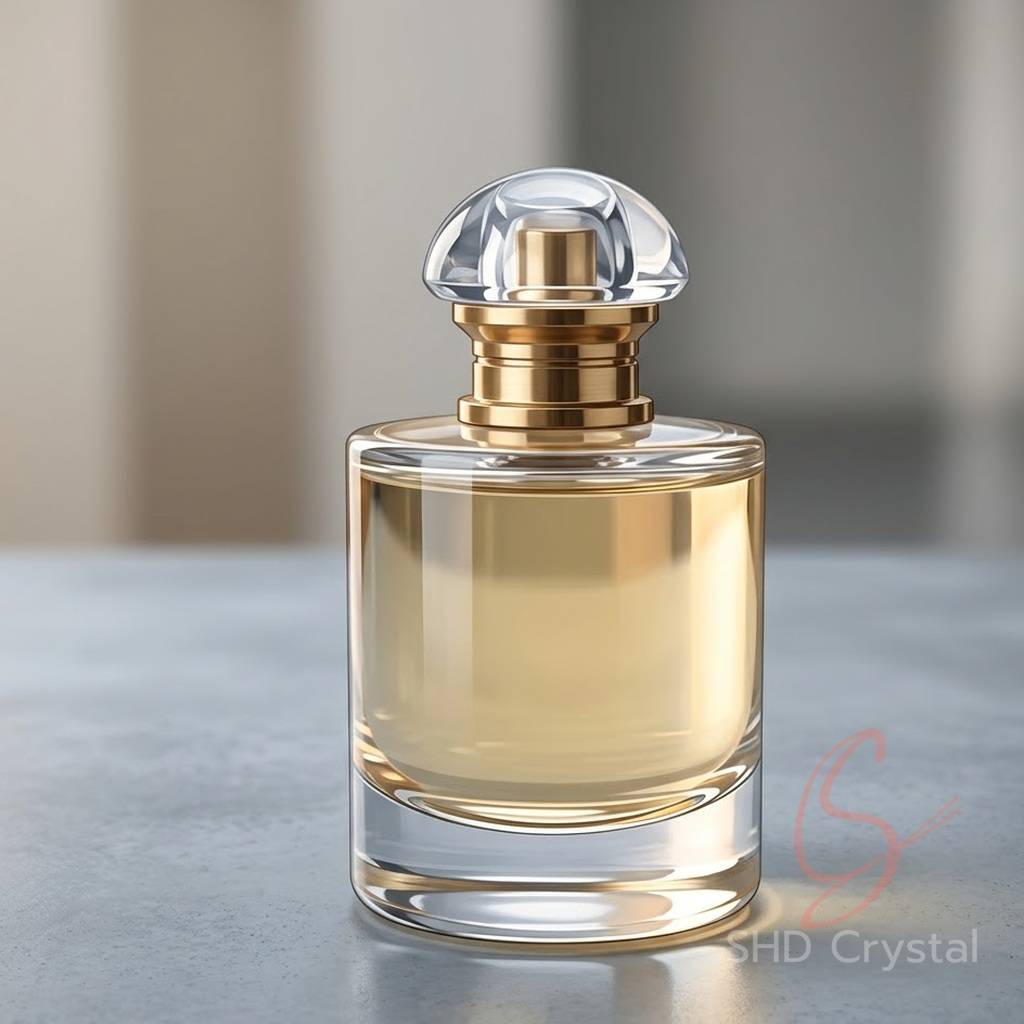
Custom Perfume Bottle OEM From Mold To Market
Custom perfume bottle OEM work becomes risky when shape, pump, decoration, and packing are approved as separate decisions. A fragrance bottle may begin as a sketch with a beautiful silhouette, but production asks more practical questions. Can the glass flow evenly into the mold? Will the shoulder cool without stress? Does the neck match the selected pump? Can the decoration survive handling, filling, and transport? These questions decide whether a concept becomes a reliable market product.
Custom Perfume Bottle OEM Planning Should Start Before The Sample Looks Finished
The first stage is not decoration. It is structure. Capacity, body proportion, base thickness, neck finish, cap weight, and filling method should be reviewed before the bottle is sampled. A tall bottle may look elegant but need better base stability. A heavy base can improve hand feel, yet it may require longer annealing control. A sharp corner can make the design memorable, but it may also create mold release and inspection challenges.
This is where perfume bottle mold development becomes central. The mold must support the intended form while controlling wall thickness transition, parting line position, shoulder angle, and surface definition. If the mold only follows the rendering, the sample may look close from one angle but fail in weight balance or repeatability.
Pump Fit Is A Packaging Decision, Not A Later Accessory
Perfume bottles are assemblies. The glass body, pump, collar, cap, and outer box should be checked together. A small shift in neck finish can affect crimping, spray direction, leakage risk, and user confidence. For screw pump projects, thread feel and tightening resistance also matter.
A custom perfume bottle OEM supplier should ask about pump specification early. If the buyer changes the pump after sample approval, the bottle may need neck adjustment, collar review, or new sealing tests. This is why perfume bottle mold development should be linked to accessory selection, not treated as an isolated glass task.
Decoration Must Match Production Reality
Frosting, color spraying, hot stamping, screen printing, engraving, and metallic effects can all change the bottle’s market expression. Still, decoration is not only visual. Coating adhesion, logo alignment, drying time, polishing pressure, color tolerance, and packing friction can influence the final result.
A common mistake is trying to make a weak bottle shape feel expensive by adding too many finishes. The better route is to let the main form carry the identity, then use decoration with restraint. For perfume bottle batch control, each finish should have a reference sample and inspection standard before mass production begins.
From Approved Sample To Repeat Order
A sample confirms direction. It does not automatically control production. During bulk manufacturing, forming temperature, mold wear, glass weight range, annealing behavior, neck inspection, and surface curing should be monitored. Approved samples should remain in the factory as physical references for clarity, base flatness, color tone, logo position, and assembly fit.
Perfume bottle batch control is especially important when a fragrance line may expand later. A brand may begin with one scent, then add seasonal colors, different caps, or gift box versions. If the original bottle lacks stable standards, every later extension becomes harder to manage.
Better OEM Questions For Buyers
Buyers should ask more than MOQ and price. They should confirm whether the supplier can support structure review, mold adjustment, pump matching, decoration testing, packaging protection, and final inspection. A good custom perfume bottle OEM project is not the fastest route from image to sample. It is the route that reduces hidden correction after tooling, accessories, and decoration have already been paid for.
Conclusion
Custom perfume bottle OEM development works best when mold structure, pump fit, decoration method, packing design, and perfume bottle batch control are planned together. This approach helps fragrance brands protect the original design idea while making the bottle practical for filling, assembly, shipping, and future repeat orders.
Building Fragrance Bottle Projects With Factory Coordination
For brands developing custom perfume bottle OEM projects, SHD Crystal can support perfume bottle mold development, glass structure review, neck finish matching, surface decoration planning, sample correction, and OEM production coordination. The goal is to help fragrance packaging move from a promising concept into a stable product with clear manufacturing standards.