
Blogpost keywords: custom perfume bottle factory, custom perfume bottles, OEM perfume packaging
A custom perfume bottle factory supports custom perfume bottles and OEM perfume packaging with sampling, mold, and QC control.
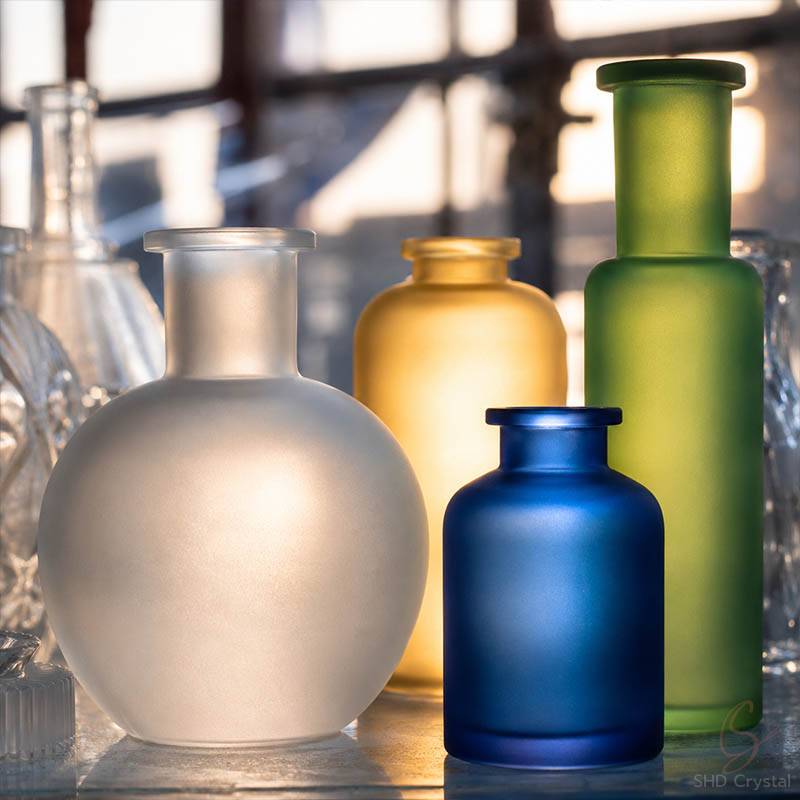
Custom Perfume Bottle Factory for Fragrance Brands
A custom perfume bottle factory is not only a supplier that makes attractive glass containers. For fragrance brands, private label buyers, and packaging distributors, the factory has to turn a design idea into a bottle that can be molded, decorated, assembled, filled, packed, and reordered with stable results.
That is a long chain. Each step can change the final product.
A perfume bottle may look simple from the outside, but it includes glass forming, neck finish control, pump compatibility, surface decoration, cap matching, and protective packaging. When these details are not reviewed early, the sample may look promising while the bulk order creates problems.
What a Custom Perfume Bottle Factory Should Clarify Before Sampling
A custom perfume bottle factory should first confirm the bottle capacity, target shape, neck specification, glass color, decoration method, cap style, pump type, and outer box direction. These details help the supplier decide whether an existing mold can be used or whether new tooling is needed.
For custom perfume bottles, the first mistake is often approving a shape only from a rendering. A drawing does not show how glass thickness changes at the base, shoulder, and corners. It also does not show whether the label area is flat enough, whether the cap looks balanced, or whether the pump collar aligns cleanly with the bottle neck.
Real sampling solves these questions. It also reveals manufacturing limits before money is locked into bulk production.
Mold, Glass Weight, and Neck Finish Matter
The mold is the starting point for repeatability. If the mold tolerance is not controlled, the bottle height, shoulder line, and neck dimension may vary across batches. For OEM perfume packaging, this can create assembly issues when glass bottles, pumps, collars, caps, and boxes need to fit together as one finished product.
Glass weight is another practical factor. A heavy base can create a premium hand feel, but uneven wall thickness transition may increase cooling stress during annealing. A lighter bottle can reduce shipping cost, yet it may not match the positioning of a premium fragrance line. There is no single best answer. The right choice depends on the price level, channel, and user expectation.
Neck finish is especially important. Even a small variation can affect pump crimping, leakage risk, and the final appearance after filling.
Decoration Choices Should Match Production Reality
Custom perfume bottles can use screen printing, hot stamping, frosting, color spraying, electroplated accessories, decals, embossing, or simple labels. Each method has a different cost structure and quality control point.
A glossy sprayed bottle may look clean, but coating thickness and curing control need attention. Frosted surfaces can hide fingerprints, yet they may show scratches if packing is not designed well. Embossed glass adds identity, but it requires accurate mold work and may reduce flexibility for later design changes.
For OEM perfume packaging, decoration should be tested with the actual liquid color, cap material, and carton style. A logo that looks clear on an empty sample may become weak after the bottle is filled.
Practical Questions for B2B Buyers
Before choosing a custom perfume bottle factory, buyers should ask how samples are approved, how color standards are recorded, how pump matching is tested, and how finished bottles are inspected before shipment. They should also confirm whether the factory can support repeat orders with the same mold, color tone, decoration position, and packing method.
Packing deserves early discussion. Perfume bottles often have thick bases, coated surfaces, delicate caps, and decorated boxes. If the insert is loose or the carton is weak, surface abrasion or breakage can appear during transport.
Good factory evaluation is not about asking more questions for the sake of it. It is about finding the weak points before production begins.
Conclusion
A custom perfume bottle factory adds value when it can connect design, tooling, decoration, assembly, and export packaging into one controlled process. Buyers who review mold tolerance, neck finish, wall thickness, pump fit, color stability, and carton protection early are more likely to receive bottles that match the approved sample and support long-term fragrance sales.
Building a More Predictable Packaging Line
For brands developing custom perfume bottles or OEM perfume packaging, working with a custom perfume bottle factory can make the project more stable from sample development to repeat production. The right partner can help refine structure, decoration, accessories, and packing so the final bottle works well in both visual presentation and commercial supply.