
Blogpost keywords: cylindrical glass lamp shades OEM, linear lighting covers, tubular shade components
Cylindrical glass lamp shades OEM production has become increasingly common in lighting products that emphasize straight lines and simplified forms. Unlike round globes or tapered cones, a cylinder introduces a continuous vertical surface that visually stretches the lamp’s silhouette and highlights the direction of the light source.
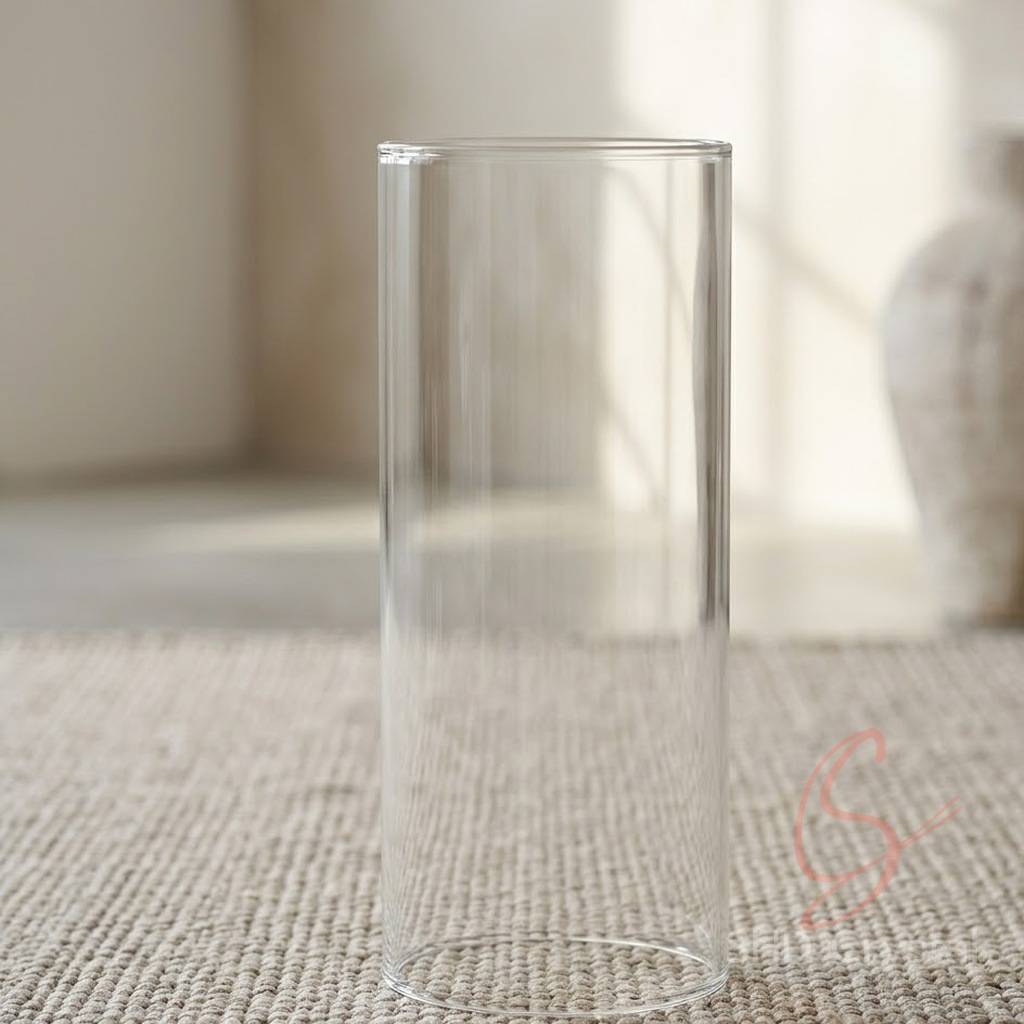
Lighting designers often choose cylindrical glass lamp shades OEM components when they want the lamp to feel structured rather than decorative. The tubular profile frames the light in a clear, architectural way, making it suitable for modern interiors, hospitality lighting installations, and coordinated fixture collections.
Because the cylinder maintains the same diameter from top to bottom, it creates a sense of order and balance that works well in contemporary lighting arrangements.
Cylindrical Glass Lamp Shades OEM and Linear Lighting Covers
One advantage of cylindrical shades is how naturally they align with linear fixture designs. Lamps that use rods, bars, or straight suspension elements often benefit from tube-shaped glass because the geometry matches the structure of the fixture.
Manufacturers specializing in cylindrical glass lamp shades OEM production produce linear lighting covers in various heights and diameters. Designers can therefore create lamps that feel tall and slender or short and compact while maintaining the same basic tubular language.
This adaptability makes cylindrical shades especially useful in lighting collections that rely on repeated shapes.
Tubular Shade Components and Light Direction
The shape of a cylindrical glass shade influences how illumination travels through the fixture. Instead of directing light downward like a cone or radiating it evenly like a globe, the cylinder creates a vertical channel around the light source.
Through cylindrical glass lamp shades OEM production methods, manufacturers can adjust glass clarity and surface finishing to influence how light travels through this tubular space. Transparent glass emphasizes brightness and reveals the bulb, while diffused surfaces soften the glow and spread illumination more gently.
These variations allow tubular shade components to function in both decorative and functional lighting.
Integrating Cylindrical Shades Into Fixture Systems
In many lighting fixtures, the glass shade must work together with metal or structural components. Cylindrical shades are frequently paired with straight rods, minimal lamp holders, or modular lighting frameworks.
Reliable cylindrical glass lamp shades OEM manufacturers ensure that tubular shade components maintain accurate openings and refined edges so they integrate smoothly with these fixture systems. When the glass and structure align correctly, the lamp appears visually coherent and professionally assembled.
This alignment is particularly important for fixtures where the glass shade remains highly visible.
Supporting Repetition in Multi-Light Fixtures
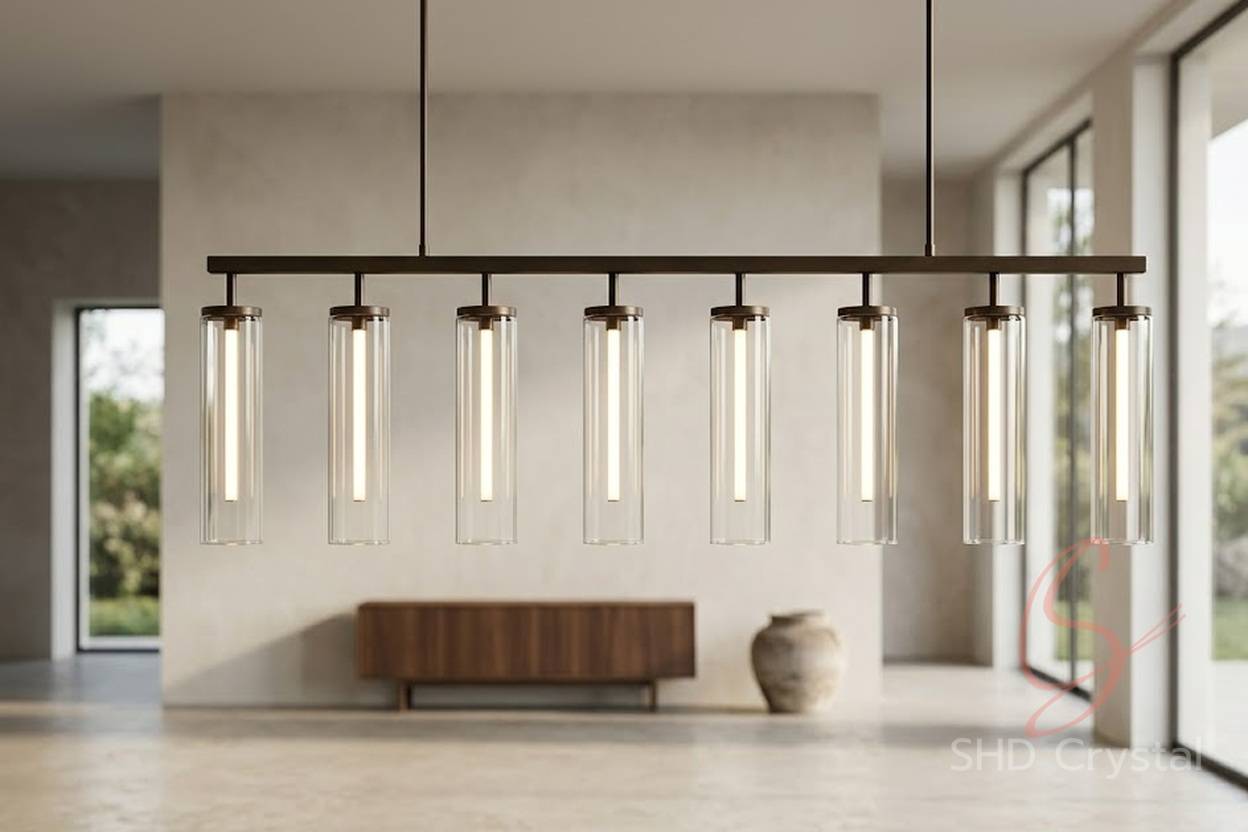
Lighting designers often use cylindrical shades in fixtures that contain several light sources arranged in rows or clusters. In these cases, visual uniformity becomes a major requirement.
Professional cylindrical glass lamp shades OEM suppliers maintain consistent geometry and finish so linear lighting covers appear identical across multiple units. This consistency allows designers to create fixtures that rely on repetition and rhythm without visual irregularities.
Conclusion
Cylindrical glass lamp shades OEM manufacturing supports lighting designs that emphasize straight geometry and vertical illumination. With their tubular structure and adaptable lighting behavior, cylindrical shades remain an effective solution for modern linear lighting fixtures.
Developing Linear Lighting Collections With Tubular Glass Shades
Partnering with experienced cylindrical glass lamp shades OEM manufacturers enables lighting brands to incorporate tubular shade components into fixture designs that highlight linear structure while maintaining consistent production quality.