
Blogpost keywords: red glass vase manufacturers, colored glass contamination control, mold hygiene management
Red glass rarely forgives inconsistency. Unlike neutral or lightly tinted crystal, deep red glass amplifies even subtle variation in transparency, saturation, and reflective behavior. Small changes that remain invisible in clear glass can immediately alter the visual depth of red crystal once light begins moving through the material. This sensitivity is one reason experienced red glass vase manufacturers approach ruby-toned production with unusually strict process discipline and environmental control.
The objective is not simply producing red glass, but preserving a clean and luminous red tone that remains visually stable across repeated production cycles.
Why Red Crystal Requires Greater Color Precision
Certain decorative colors naturally conceal variation. Red crystal behaves differently. As light passes through dense ruby tones, even minor contamination can dull reflections, flatten transparency, or introduce muddy undertones that weaken the jewel-like quality of the glass. This optical sensitivity makes red one of the most difficult decorative crystal colors to maintain consistently at production scale.
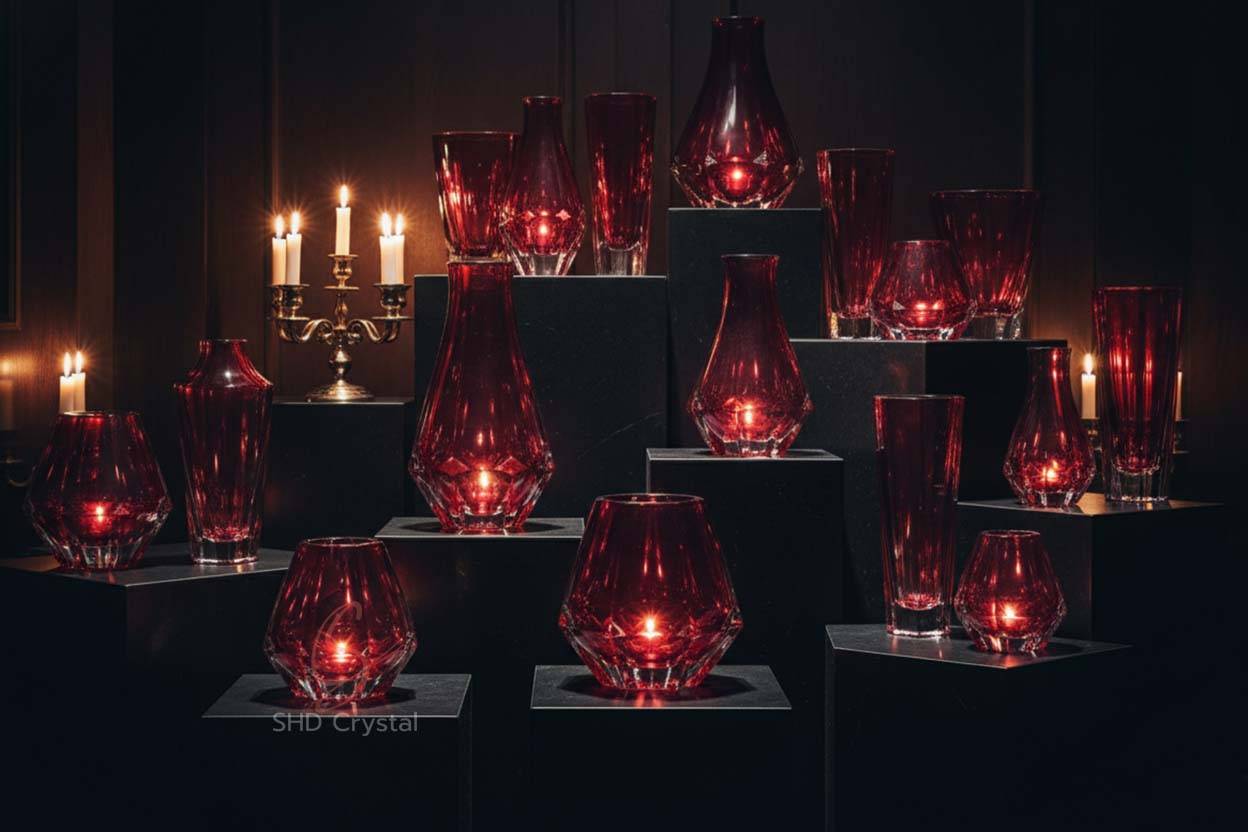
Because of this, colored glass contamination control becomes central to preserving visual purity rather than simply correcting defects after production. The challenge is not only creating saturation, but preserving brightness and clarity within the red itself.
Mold Hygiene Directly Influences Color Purity
In red glass production, contamination often appears gradually rather than immediately. Microscopic residue left on molds, tools, or forming surfaces may seem insignificant during early runs, yet repeated exposure slowly alters how the red crystal behaves visually under light. Reflections lose sharpness, transparency becomes heavier, and tonal consistency begins drifting between batches. Experienced red glass vase manufacturers therefore treat mold hygiene management as part of color preservation rather than routine maintenance alone. Cleaning intervals, equipment separation, and forming discipline all influence whether ruby crystal retains its luminous depth over time.
Why Pure Red Crystal Feels More Luxurious
One reason ruby-toned crystal remains associated with luxury interiors is its relationship with light. Clean red crystal develops layered reflections similar to polished gemstones or deep wine tones under ambient lighting. As illumination passes through thicker sections of glass, the material creates glowing internal depth rather than flat surface coloration.
This luminous behavior disappears quickly when contamination weakens transparency or introduces unwanted opacity. For this reason, colored glass contamination control affects not only technical quality, but also the emotional perception of the finished object itself.
Production Discipline Matters More Than Initial Samples
A common misconception is that successful color matching during sampling guarantees stable production quality. In reality, early prototypes are often produced under highly controlled conditions using freshly cleaned equipment and limited production duration. As manufacturing continues, environmental residue and process fatigue begin influencing color behavior more noticeably.
Mature red glass vase manufacturers anticipate this progression before instability appears. Mold hygiene management is therefore integrated continuously throughout production rather than applied only during preparation stages. Consistency depends less on isolated inspection and more on maintaining environmental cleanliness across the entire forming cycle.
Why Red Crystal Requires Slower Visual Evaluation
Unlike highly reflective metallic finishes, red crystal reveals quality gradually. Color depth changes under different lighting conditions. Transparency shifts between daylight and evening illumination. Slight contamination may become visible only once multiple pieces are displayed together within the same environment. Because of this, colored glass contamination control often relies on long-view consistency evaluation rather than isolated visual approval.
In our experience, successful red crystal production depends on preserving visual calmness, depth, and purity across the collection rather than maximizing aggressive color intensity alone.
A Decorative Collection Example
In one luxury seasonal décor program, designers selected deep ruby crystal vases intended for candlelit hospitality interiors and winter dining environments. Early prototypes appeared visually successful under studio lighting, but extended production testing revealed that subtle surface residue gradually reduced the luminous transparency of the darker red crystal tones.
The production workflow was later adjusted through stricter mold hygiene management and separated red-glass forming schedules. Once contamination was reduced, the vases regained the jewel-like depth and glowing ruby reflections originally intended for the collection.
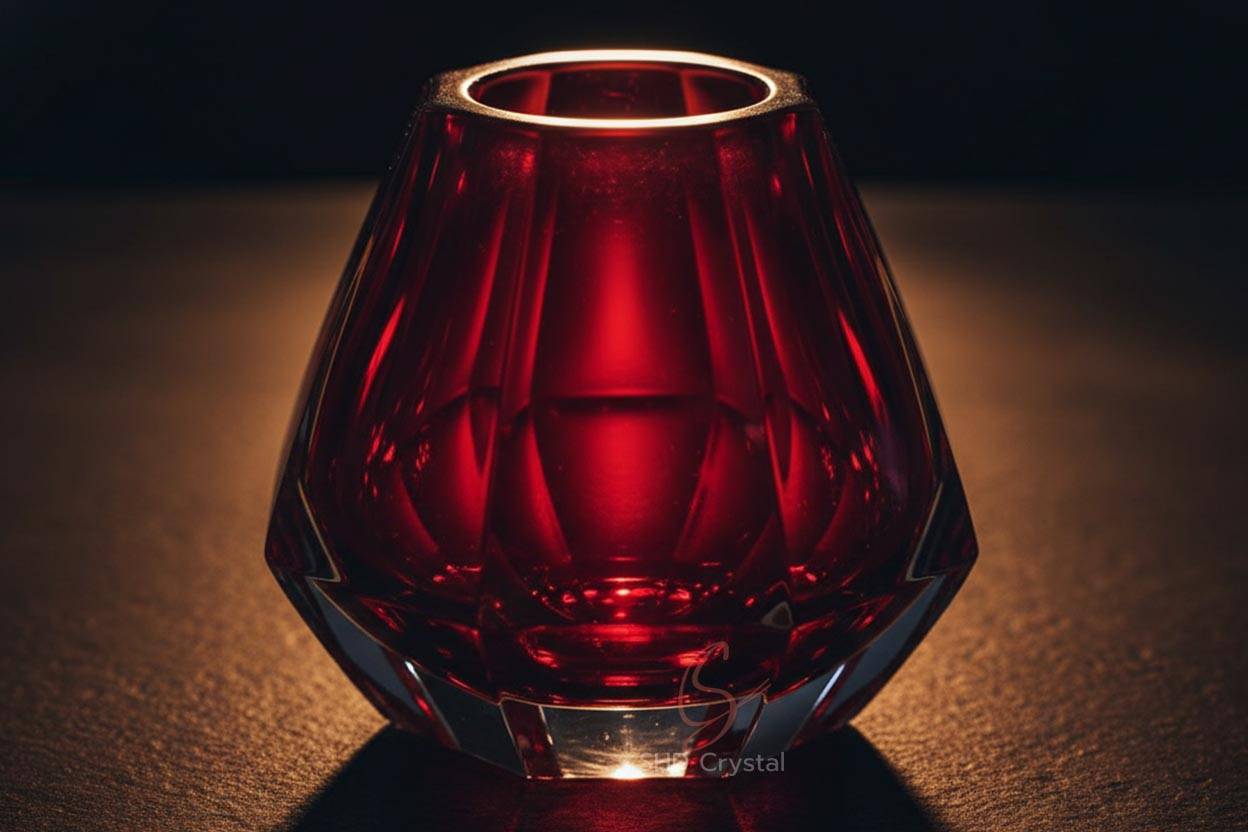
The project demonstrated how colored glass contamination control directly influences not only consistency, but the emotional richness associated with luxury red crystal itself.
Conclusion
Red glass vase manufacturers are ultimately defined by their ability to preserve luminous ruby clarity through disciplined environmental control and stable production behavior. Through carefully maintained colored glass contamination control and rigorous mold hygiene management, red crystal retains the reflective depth, transparency, and jewel-like richness that distinguish premium decorative glass collections from unstable mass production.
Ruby Crystal Vase Collections Developed Through Controlled Color Purity
At SHD Crystal, we approach red glass vase manufacturers projects through optical clarity, ruby-tone stability, and contamination-sensitive production discipline rather than decorative coloration alone. Our colored glass contamination control process focuses on preserving luminous transparency, reflective depth, and stable red saturation throughout extended production cycles.
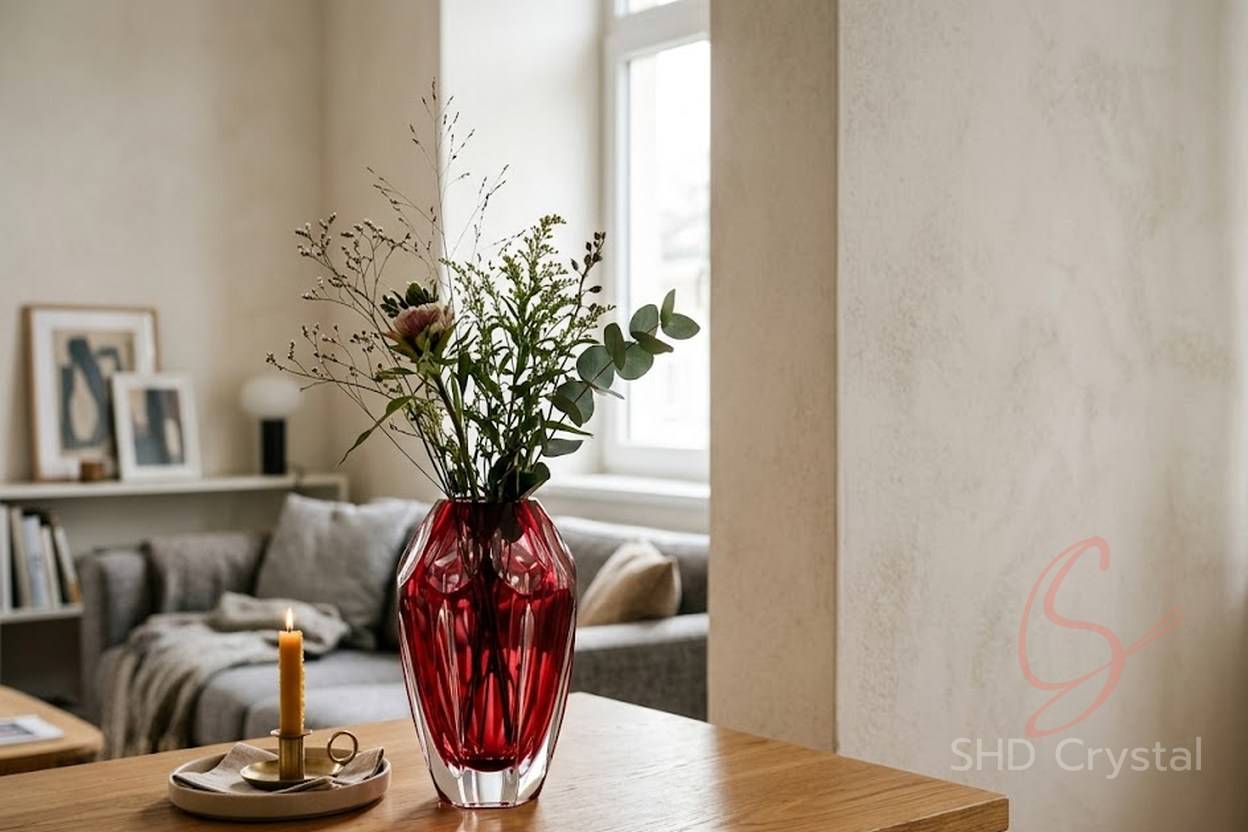
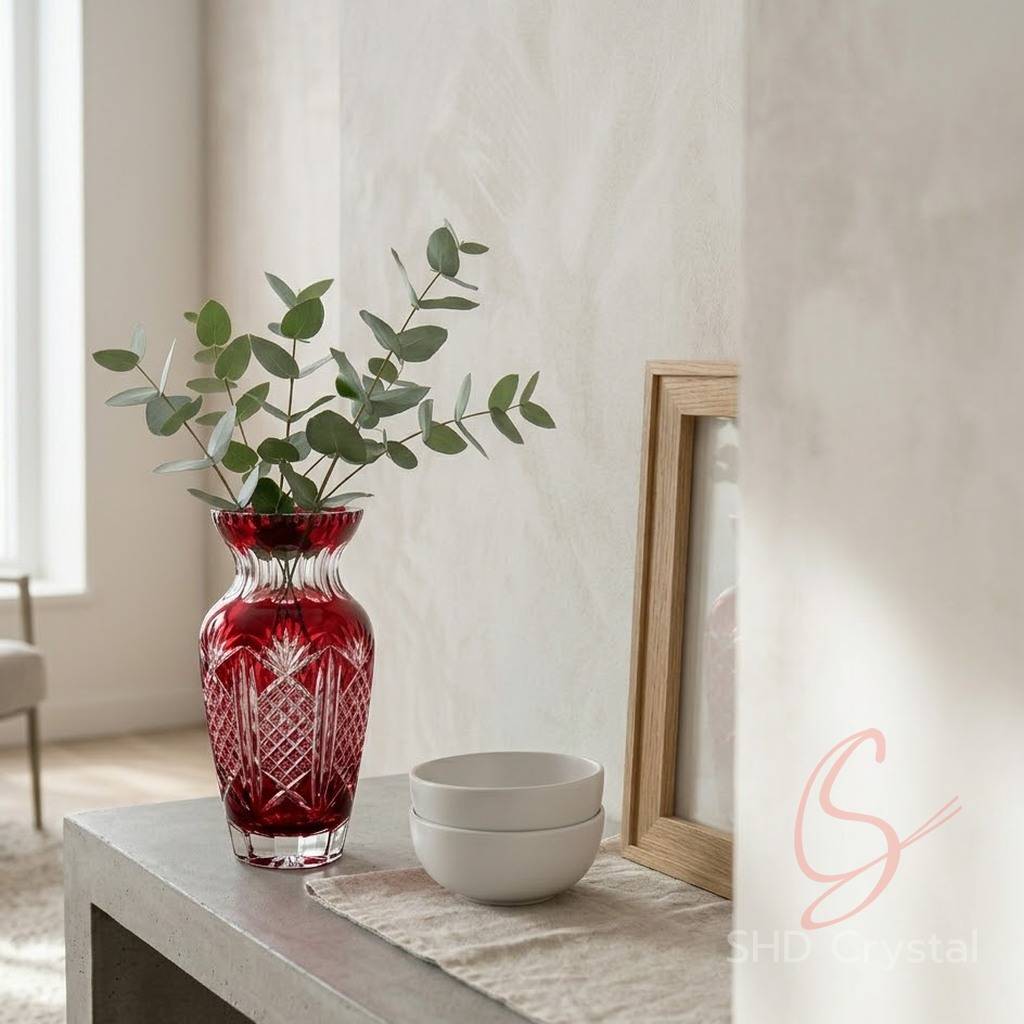
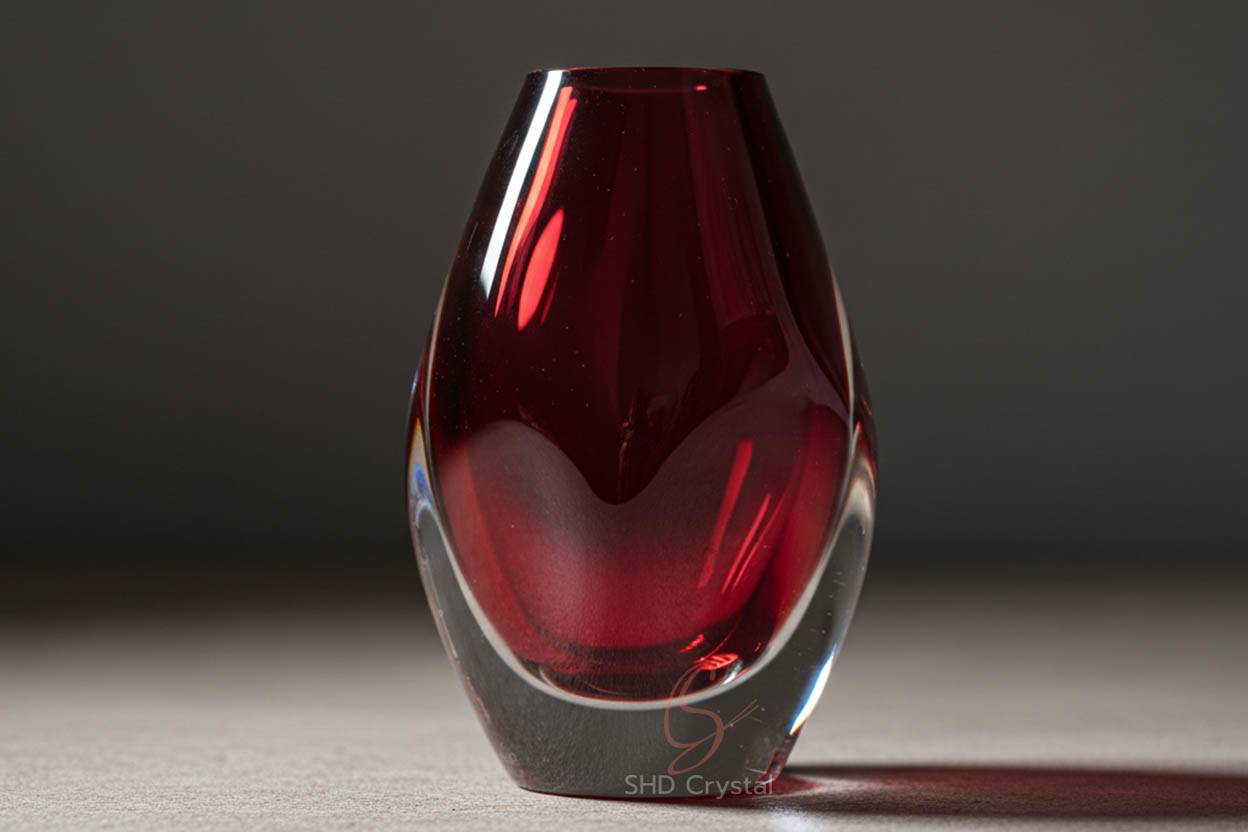
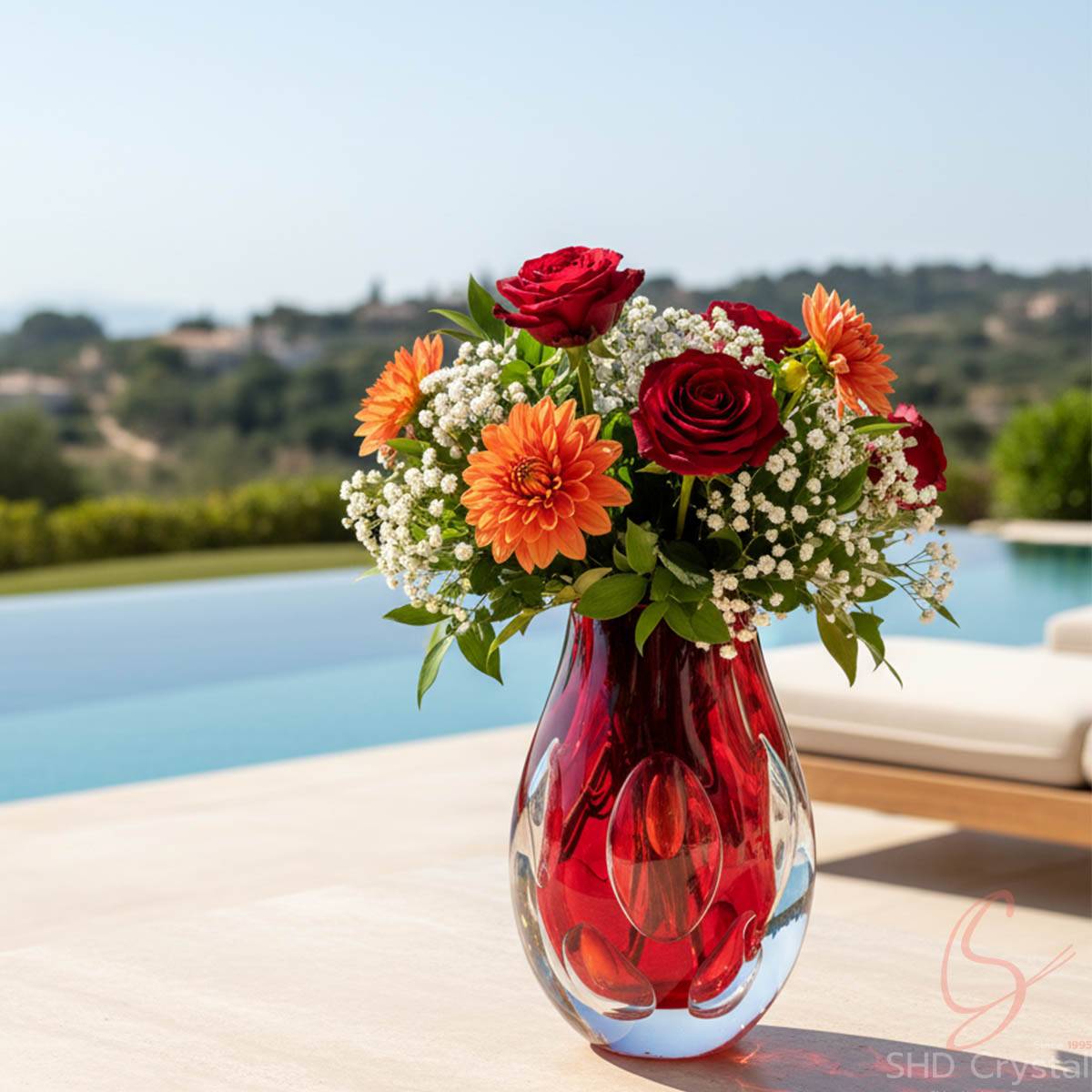
Through mold hygiene management refinement, controlled forming separation, and crystal color consistency evaluation, we support luxury decorative collections seeking deep ruby crystal atmosphere with long-term visual purity and refined material behavior.
Exclusive Release by SHD Crystal
Custom Crystal Glass OEM Manufacturer
This article is originally published by SHD Crystal. Original Link: https://shdcrystal.com/blogs/2026-05-12-blogpost-of-red-glass-vase-manufacturers/