
Blogpost Keywords: alcohol bottle sizes OEM, spirits packaging planning, private label bottle capacity options
Alcohol bottle sizes OEM supports spirits packaging planning and private label bottle capacity options for retail, hospitality, and gifting.
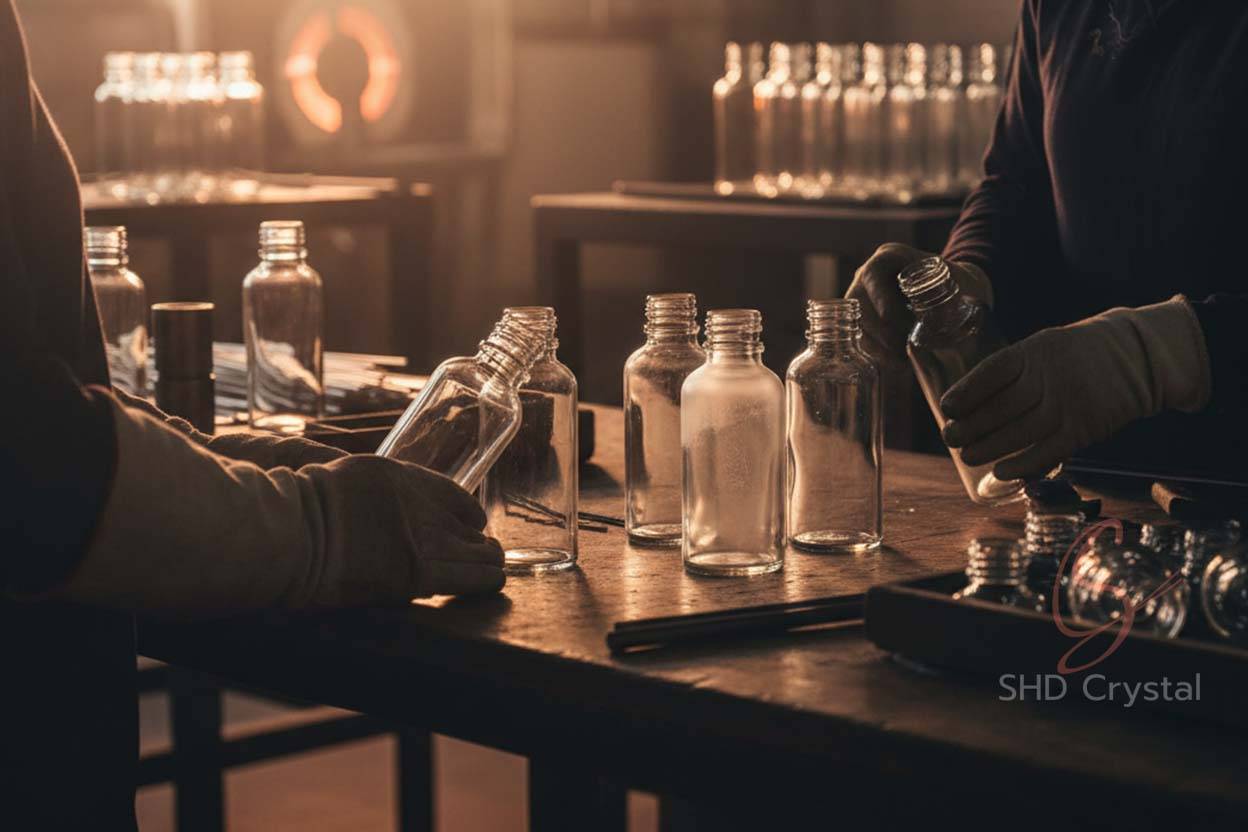
How Alcohol Bottle Sizes OEM Decisions Influence Packaging Strategy
alcohol bottle sizes OEM is one of the earliest decisions that shapes how a beverage product is priced, packed, shipped, and presented. In private label development, size is not only a technical specification. It affects trial purchase behavior, gifting potential, carton design, filling efficiency, and whether the finished product matches the sales channel it is meant for.
Why Alcohol Bottle Sizes OEM Matters Before Bottle Design Is Finalized
When buyers begin a packaging project, they often focus first on shape, closure, or decoration. In reality, alcohol bottle sizes OEM usually deserves attention even earlier. In the U.S., container sizes for wine and distilled spirits are tied to standards of fill, and the TTB expanded those options again in 2025, adding more authorized sizes for both categories and giving brand owners more flexibility than before.
That matters because spirits packaging planning starts with the intended commercial use. A travel-size launch may need a different capacity from a duty-free item, a tasting set, or a full retail shelf product. In the same way, private label bottle capacity options can influence how a product is positioned, whether as an impulse buy, a premium centerpiece, or a format designed for bars and hospitality groups.
Different Sizes Support Different Sales Goals
Not every bottle size is built for the same job. TTB-authorized wine sizes include familiar formats such as 50 mL, 100 mL, 187 mL, 200 mL, 250 mL, 375 mL, 500 mL, 750 mL, 1 L, and 1.5 L, while distilled spirits now have additional approved sizes beyond the older standards, including newer options such as 187 mL, 250 mL, 350 mL, 500 mL, 700 mL, and 2 L.
For OEM buyers, that means alcohol bottle sizes OEM should be chosen around market behavior, not habit alone. Smaller bottles may support trial and giftable formats. Mid-size bottles can help brands build variety packs or region-specific lines. Larger formats may suit value-led retail or banquet service. Good spirits packaging planning connects the fill size to the customer experience instead of treating capacity as a last-minute number.
Labeling, Carton Layout, and Logistics Change With Capacity
Bottle size also affects downstream packaging work. TTB labeling rules tie net contents statements to regulated standards of fill, and type-size requirements differ for containers above and below 200 mL. That means a size change can influence label layout, front-panel balance, and even how much room remains for brand messaging.
This is one reason private label bottle capacity options should be reviewed together with artwork and outer packaging. A compact bottle might look efficient in concept but become harder to decorate cleanly. A larger format may improve shelf impact but reduce case-pack efficiency. In strong spirits packaging planning, bottle size, label design, shipper cartons, and pallet logic are usually developed as one system.
What Buyers Should Confirm With an OEM Supplier
Before sampling moves too far, buyers should confirm category, target market, legal fill requirements, closure compatibility, carton count, and display goals. With alcohol bottle sizes OEM, a smart supplier discussion should cover not just mold feasibility, but also whether the planned size works for regulation, freight cost, and retailer expectations. TTB has also signaled broader interest in loosening distilled-spirits standards of fill further, which shows this area remains commercially important and subject to policy change.
For buyers managing private label bottle capacity options, the most useful question is often simple: what size helps the product sell in its intended channel? That answer usually leads to better spirits packaging planning than starting from appearance alone.
Conclusion
alcohol bottle sizes OEM is not just a packaging detail. It is a decision that affects compliance, logistics, pricing, and product positioning at the same time. When capacity is chosen early and aligned with labeling, carton structure, and market use, the entire packaging project tends to move more smoothly.
A Better Starting Point for Your Next Bottle Program
If you are planning a new spirits or wine package, it is worth reviewing alcohol bottle sizes OEM before locking the bottle shape. A clear conversation around channel strategy, legal fill size, and shipping format can help turn a good-looking bottle into a stronger commercial product.