
Blogpost keywords: custom glass tableware OEM, custom glass dinnerware, luxury glass tableware
Custom glass tableware OEM supports custom glass dinnerware and luxury glass tableware through forming, finishing, and practical production control.
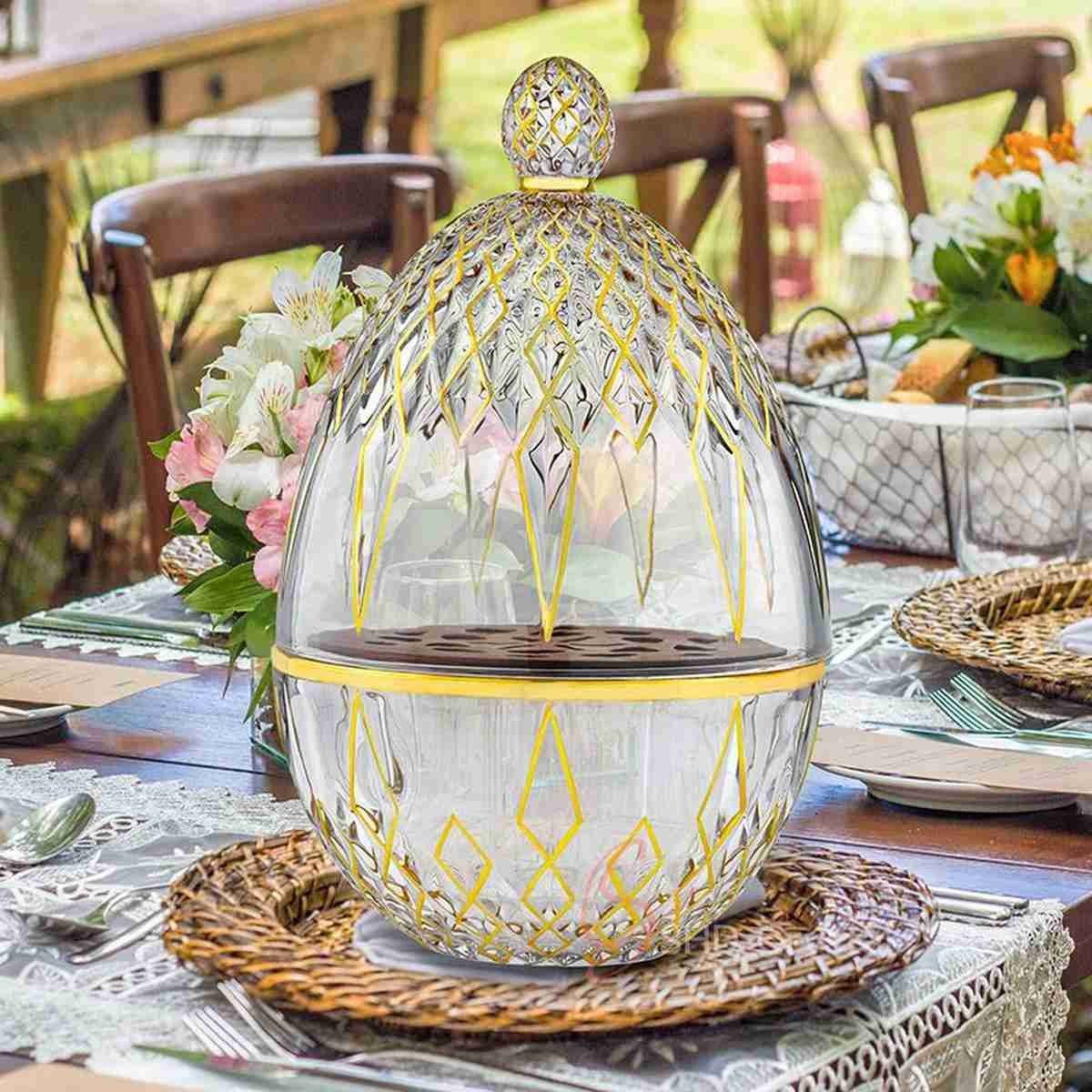
Custom Glass Tableware OEM for Brand Projects
Custom glass tableware OEM is rarely just about producing plates, bowls, cups, or serving pieces with a different shape. For hotels, restaurant groups, giftware brands, and private label buyers, the real challenge is whether the tableware can match the intended dining scene, survive repeated handling, and remain visually consistent across batches. A beautiful sample is useful. A stable production plan is more important.
Custom Glass Tableware OEM Starts With Real Usage Conditions
Before discussing mold cost or decoration, buyers should define how the product will be used. A banquet plate, a dessert bowl, a whisky glass, and a decorative serving tray all face different risks. Some pieces need strong rim resistance. Some need a heavier base. Others need a thinner profile for a refined table setting. In custom glass dinnerware, these details influence not only appearance but also forming method, wall thickness transition, annealing behavior, and packing design.
A common mistake is choosing a style only from a photo. Glass behaves differently from ceramic, stainless steel, or acrylic. If the edge is too thin, the piece may look elegant but become more fragile during polishing or shipping. If the wall is too thick, it may feel strong but create cooling stress or uneven optical depth. For luxury glass tableware, the balance between elegance and practical durability must be reviewed before tooling begins.
Matching Forming Method With Product Character
Pressed glass is often suitable for plates, bowls, trays, and structured tableware with repeatable dimensions. It supports pattern definition, stable mold tolerance, and efficient batch consistency. Hand-blown glass is better for softer silhouettes, artistic cups, organic bowls, and pieces where slight manual finishing variation is acceptable. Cast or thicker molded glass can create sculptural weight, but it may require longer cooling control.
This is where custom glass tableware OEM becomes a manufacturing decision rather than a simple sourcing request. A buyer may want a delicate rim, deep texture, color spraying, frosting, engraving, or gold decoration. Each process adds a variable. Polishing pressure can slightly change edge dimensions. Color coating needs adhesion testing. Deep textures need enough glass thickness to avoid weak points. When custom glass dinnerware is planned for repeated commercial use, decoration should be evaluated together with washing, stacking, and handling conditions.
Procurement Questions That Should Be Answered Early
Good project development starts with practical questions. What is the target quantity? Will the item be used in restaurants, retail gift boxes, or hotel rooms? Does it need food contact suitability? Is the surface decoration mainly visual, or will users touch it frequently? Will the product be packed as a single piece, a set, or a mixed collection?
These questions affect cost and feasibility. For example, luxury glass tableware with hand-cut texture may require more manual work and stricter inspection. A simple transparent bowl may need less finishing, but still requires control over bubbles, rim smoothness, base stability, and size tolerance. In custom glass tableware OEM, the best result usually comes from aligning design ambition with production reality.
From Sample Approval To Batch Control
Once the sample is confirmed, the factory should not treat the project as finished. Production needs reference samples, inspection points, and packaging tests. Batch consistency depends on mold condition, forming temperature, annealing schedule, and manual finishing control. Even small changes can affect clarity, weight, edge feel, and stacking performance.
For custom glass dinnerware collections, consistency is especially important because multiple pieces may be displayed together. A set of plates, cups, and bowls should feel related in thickness, color tone, and surface quality. That connection is one reason brands often work through an OEM partner instead of buying random ready-made items.
Conclusion
Custom glass tableware OEM gives buyers more control over shape, weight, surface detail, and commercial usability, but it also requires early decisions about forming, decoration, tolerance, and inspection. When these factors are reviewed together, glass tableware can move from an attractive sample to a reliable product line with a clear manufacturing logic.
Building A More Suitable Glass Tableware Project
For brands developing custom glass tableware OEM projects, SHD Crystal can support design evaluation, forming method selection, surface finishing, sample adjustment, and production-oriented customization. The goal is not only to make glass tableware look distinctive, but to make each piece suitable for its intended market, handling environment, and brand position.