
Blogpost keywords: custom liquor bottle sizes, liquor bottle dimensions, custom glass bottles
Custom liquor bottle sizes connect liquor bottle dimensions and custom glass bottles with capacity, closure, filling, and carton planning.
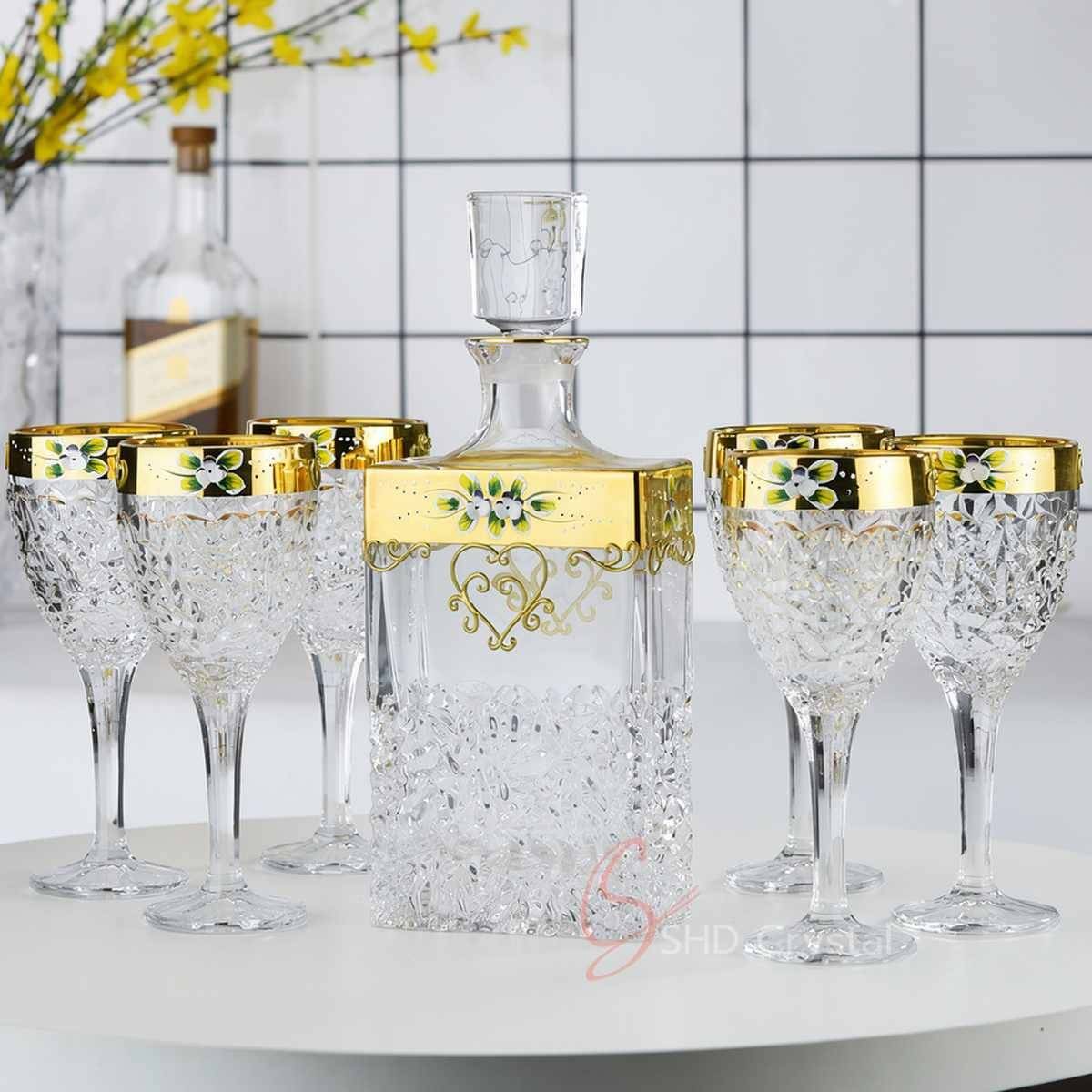
Custom Liquor Bottle Sizes for Spirits Packaging
Custom liquor bottle sizes influence far more than visual identity. In spirits packaging, bottle size affects filling accuracy, closure compatibility, label placement, carton strength, pallet efficiency, shelf display, and consumer handling. A tall bottle may create a premium vertical presence. A compact bottle may support gift packaging or tasting sets. A wide bottle may offer stronger branding space. None of these choices should be judged by appearance alone.
Custom Liquor Bottle Sizes Need Industry-Based Dimensional Planning
In professional bottle development, size is usually evaluated through several connected parameters. These include nominal capacity, fill level, brimful capacity, headspace, total height, body diameter, shoulder width, neck finish, bore diameter, base thickness, and label panel area. Together, these liquor bottle dimensions determine whether a bottle can be filled, closed, packed, shipped, and displayed without avoidable risk.
For custom glass bottles, target volume is only the starting point. Two bottles can hold the same liquid volume while requiring completely different molds and production controls. A narrow tall bottle may need stricter stability review. A heavy-bottom bottle may require better control of wall thickness transition. A square bottle may need careful corner design to reduce stress concentration. In standard packaging evaluation, dimensional consistency is not treated as decoration. It is part of functional quality.
A common misunderstanding is that heavier glass automatically means better quality. Heavy glass can improve hand feel and perceived value, but it may also increase cooling stress, shipping weight, carton requirements, and breakage risk if the structure is not engineered properly. Annealing behavior, mold tolerance, and glass distribution should be reviewed before confirming custom liquor bottle sizes, especially when the design includes thick bases, sharp shoulders, flat panels, or sculptural profiles.
Capacity, Headspace, And Closure Compatibility
Industry planning normally separates nominal capacity from brimful capacity. Nominal capacity refers to the intended fill volume, while brimful capacity refers to the maximum liquid volume the bottle can physically hold. The difference between these values creates headspace, which supports filling tolerance and closure performance. If headspace is too limited, filling variation may create overflow or sealing issues. If it is excessive, the bottle may look underfilled.
Neck finish is another critical area. Cork stoppers, bar-top closures, screw caps, synthetic plugs, and tamper-evident systems all require different finish designs. Thread profile, sealing surface, bore diameter, and verticality must match the selected closure. Liquor bottle dimensions around the neck cannot be adjusted casually after mold development because even small deviations may affect torque, insertion force, sealing reliability, or final consumer opening feel.
Labeling also depends on size. A bottle with strong shoulders and a curved body may look distinctive, but it may reduce the usable label panel. For custom glass bottles with embossed logos, frosting, printing, or applied labels, the decoration method should be matched with the available surface area before sampling. A size that looks attractive in a rendering may become difficult when real artwork, barcode placement, or regulatory information must fit cleanly.
Comparing Tall, Wide, And Compact Bottle Formats
Tall bottles often work well for vodka, gin, tequila, and contemporary spirits brands that want a clean shelf line. Their advantage is visibility. Their limitation is stability. When evaluating custom liquor bottle sizes for taller formats, the center of gravity, carton height, and pallet stacking method should be reviewed together. If the center of gravity sits too high, the bottle may feel less secure on bar counters, hotel service carts, or retail displays. Taller packaging may also reduce logistics efficiency.
Wide bottles provide a broader front face for labels, embossing, color decoration, or gift-oriented presentation. This format can feel confident and substantial. However, wider liquor bottle dimensions can increase carton size and reduce the number of units per shipping case. For export projects, this may influence freight cost, warehouse storage, and outer carton strength. In these cases, custom liquor bottle sizes should be assessed not only by front-view appearance, but also by case packing, carton protection, and long-distance transport conditions.
Compact bottles are suitable for tasting sets, promotional packs, mini spirits, travel-size products, and seasonal gift boxes. They are easier to handle and protect, but they offer less decoration space. In this format, custom glass bottles often require more selective branding choices. Small-scale screen printing, neck tags, simple embossing, or compact labels may be more realistic than oversized artwork.
Production Control And Quality Review
A reliable bottle size should support repeat manufacturing. During production review, factories typically pay attention to mold wear, glass weight control, vertical deviation, base flatness, ovality, neck finish accuracy, and residual stress after annealing. These quality points affect not only the first sample but also batch consistency in later orders.
Wall thickness transition is especially important. If the base is much thicker than the side wall, the cooling rate will not be uniform. This may increase internal stress if the annealing process is not properly controlled. For faceted or square shapes, corners and panel edges require additional attention because uneven glass distribution can make defects more visible.
Packaging tests are also part of size planning. A bottle designed for retail shelves may still fail commercially if the carton does not protect it properly. Inner dividers, molded trays, gift box inserts, and export cartons should be reviewed according to bottle height, shoulder width, base weight, and decoration sensitivity. Custom liquor bottle sizes should therefore be confirmed together with the packing format, not treated as a separate design decision.
Practical Buyer Questions Before Sampling
Before moving into mold quotation or sample development, buyers should clarify several points. What is the target fill volume? Which closure system will be used? Is the bottle intended for manual filling or an automatic filling line? Will the product be sold as a single bottle, a gift set, or a multi-bottle carton? Does the label need flat space, or will the branding rely on glass embossing?
These questions help prevent late-stage redesign. For example, a bottle made for a premium gift set may prioritize base weight, front display area, and insert protection. A bottle made for high-volume retail may prioritize filling-line compatibility, carton efficiency, and stable tolerance. A promotional mini bottle may prioritize cost control and compact decoration. Each route leads to different custom liquor bottle sizes.
Final Size Decisions Should Support Production Reality
Custom liquor bottle sizes work best when capacity, dimensional control, closure fit, decoration space, and packaging structure are planned as one technical system. A strong bottle size is not simply tall, heavy, compact, or unusual. It is a size that supports the intended spirit category, filling method, sales channel, carton format, and repeat production requirements without creating unnecessary manufacturing or logistics problems.
Technical Planning Notes for Bottle Development
For a more accurate development brief, buyers can prepare target volume, preferred liquor bottle dimensions, closure reference, decoration method, packing format, and expected order quantity before sampling. This information helps suppliers evaluate whether custom liquor bottle sizes are suitable for mold development, filling-line use, private-label projects, gift sets, or long-term spirits packaging programs.