
Blogpost keywords: custom rum bottle sizes, glass rum containers, bulk rum bottle supply
Custom rum bottle sizes help buyers plan glass rum containers and bulk rum bottle supply with better filling, labeling, and packing control.
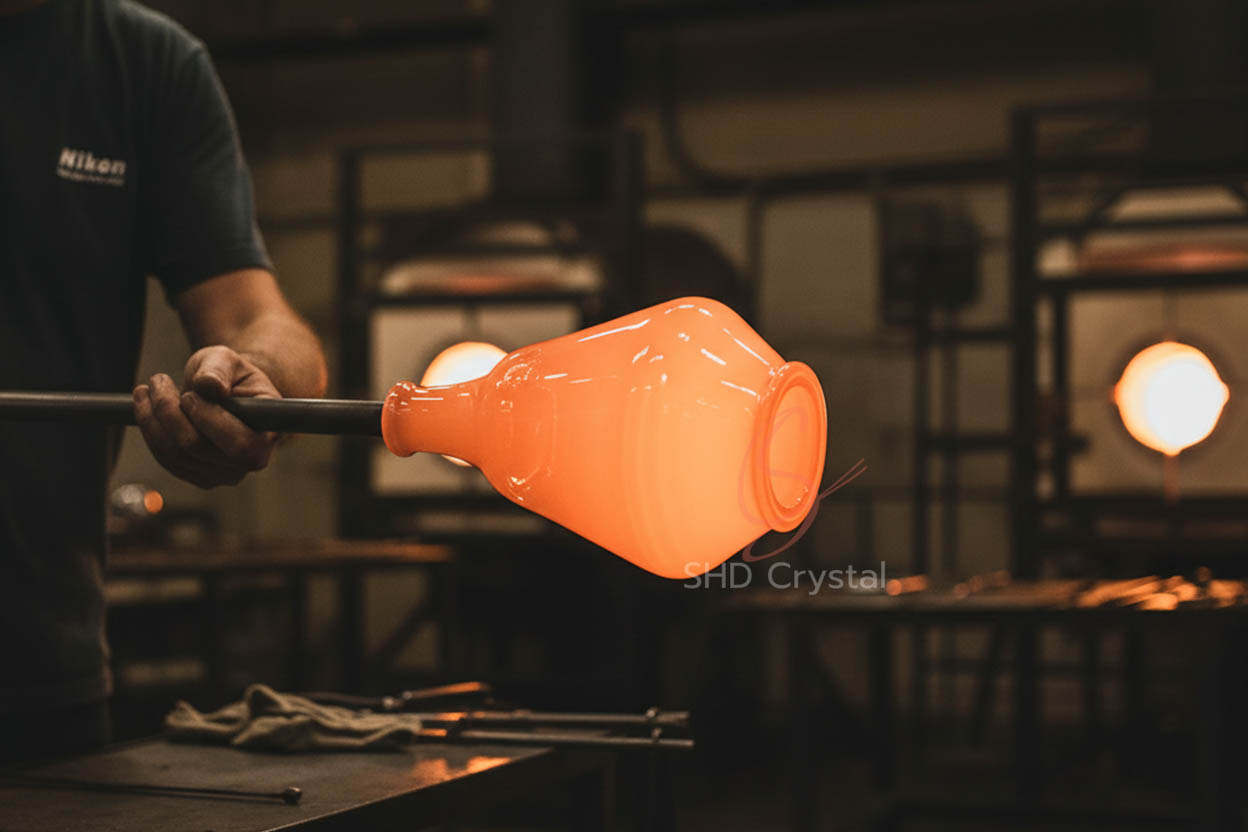
Custom Rum Bottle Sizes for Spirits Brands
Custom rum bottle sizes should be chosen as part of the whole spirits packaging plan, not as a final detail after the label is finished. Capacity affects shelf presence, filling cost, closure choice, case packing, shipping weight, and how the product is positioned in different sales channels. For rum brands, distributors, and private label buyers, the bottle size is both a marketing decision and a production decision.
A 750 ml bottle may be familiar, but it is not automatically the best answer for every rum project.
Smaller sizes can support sampling, travel sets, tasting programs, and gift collections. Larger bottles can work for duty-free, hospitality, or value-oriented retail. The right choice depends on where the product will be sold, how it will be packed, and whether future repeat orders need the same structure.
Why Custom Rum Bottle Sizes Should Be Reviewed Before Shape Selection
Custom rum bottle sizes influence the bottle shape before mold development begins. A tall bottle may create stronger shelf visibility, but it can raise carton height and pallet planning issues. A short, wide bottle may feel traditional and stable, yet it needs enough label space for brand information, barcode placement, and regulatory content.
Glass rum containers used for aged rum, spiced rum, or premium private label lines often rely on weight, shoulder shape, and base thickness to create a stronger hand feel. However, heavier glass is not always better. If the wall thickness transition between the base and body is uneven, cooling stress may appear during annealing. A heavy bottle can also increase freight cost and reduce loading efficiency.
This is a common sourcing mistake. Buyers judge the bottle by weight first, then discover that packing and shipping costs have quietly changed the project budget.
Matching Capacity With Channel and Use Case
Different custom rum bottle sizes support different commercial goals. Mini bottles may be useful for promotional sets, hotel welcome gifts, or tasting flights. Mid-size formats can work for limited releases or gift boxes. Standard retail sizes are usually easier to manage for labeling, cartons, and distributor expectations. Large bottles need more careful review because their weight, closure strength, and carton compression requirements are higher.
For glass rum containers, the closure should be selected early. Cork stoppers, screw caps, synthetic closures, and decorative caps all require the correct neck finish. If the neck specification is not planned with the closure, leakage risk and assembly inconsistency can appear later.
Label area also matters. A curved shoulder or textured body may look attractive, but it can reduce the clean space needed for a front label, back label, or neck label.
Production and Packing Details Buyers Should Confirm
Before confirming bulk rum bottle supply, buyers should check capacity tolerance, bottle height, diameter, neck finish, glass weight, base flatness, label panel size, carton count, and export packing method. These details are more useful than comparing bottle capacity alone.
A supplier should also explain whether the chosen size can be supported by existing molds or whether custom tooling is needed. Existing molds may reduce cost and lead time, while custom molds can create stronger brand distinction. The tradeoff should be clear before sampling begins.
For repeat orders, consistency is important. If a rum brand expands from one size to several custom rum bottle sizes, the bottle family should still look related. Similar shoulders, base style, closure direction, and label proportions can help the product line feel organized without forcing every size to look identical.
Conclusion
Custom rum bottle sizes affect much more than volume. They influence bottle proportion, closure fit, label design, glass weight, filling efficiency, carton strength, and shipping cost. Buyers who review these factors early can avoid size choices that look attractive in a sample but become difficult during bulk rum bottle supply.
Planning a More Practical Rum Bottle Line
For brands developing glass rum containers for retail, gifting, tasting, or hospitality channels, custom rum bottle sizes can be planned more effectively with a supplier that understands mold options, filling requirements, closure matching, and export packaging. This helps the final bottle line stay practical, recognizable, and easier to reorder as the rum brand grows.