Blogpost keywords: glass sample development process, prototype glass manufacturing, custom glass product development
Glass sample development process involves prototype glass manufacturing and custom glass product development to verify design and production feasibility.
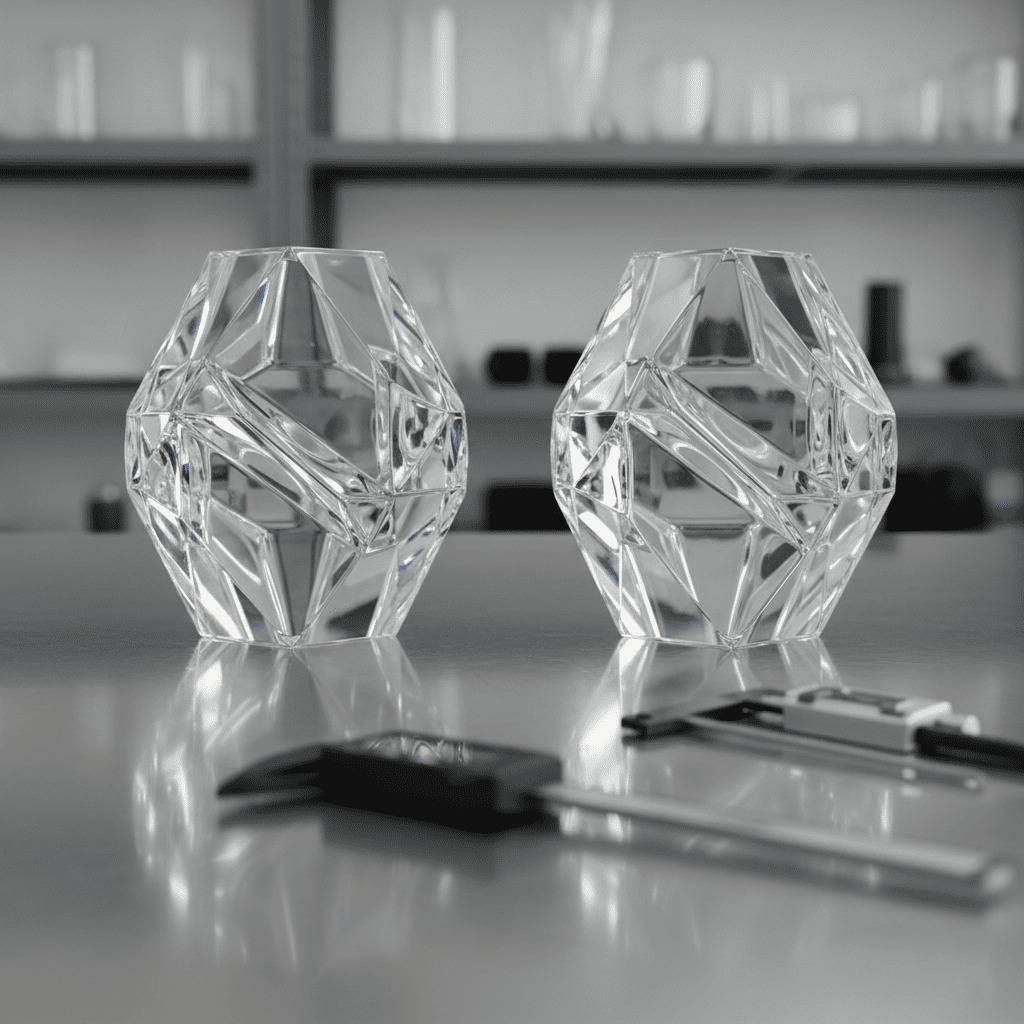
Glass Sample Development Process From Concept To Approval
The glass sample development process is often the stage where ideas become measurable products. Before molds enter mass production and before large purchase orders are released, brands need to verify whether a design can be manufactured consistently, economically, and according to specification.
Many product concepts appear feasible on paper. However, glass behaves differently once forming, cooling, finishing, and assembly requirements are introduced. This is why sampling remains one of the most important phases of product development.
A successful sample does more than confirm appearance. It helps identify manufacturing risks before they become production problems.
Why The Glass Sample Development Process Reduces Project Risk
The primary purpose of the glass sample development process is validation.
At this stage, engineers, designers, and buyers evaluate whether dimensions, functionality, aesthetics, and production requirements align with the original concept. Small adjustments made during sampling can prevent significant costs later.
For example, a decorative bottle may require wall thickness optimization. A lampshade may need shape modifications to improve glass flow. A crystal vase may require design adjustments to support polishing and finishing operations.
These decisions are easier and less expensive to make before mass production begins.
Stage One: Design Review And Feasibility Evaluation
Most projects begin with drawings, sketches, reference images, or 3D models.
During the review stage, manufacturers evaluate:
- Product dimensions
- Structural complexity
- Decoration requirements
- Mold feasibility
- Production volume expectations
- Assembly compatibility
This evaluation forms the foundation of both prototype glass manufacturing and future production planning.
At this point, some designs may require modification to improve manufacturability while preserving the intended appearance.
Stage Two: Mold Preparation And Initial Sampling
After design approval, sample tooling or production tooling is prepared depending on project requirements.
The first physical samples often reveal factors that cannot be fully predicted from drawings alone. Glass distribution, edge definition, transparency, and overall proportions become visible for the first time.
This stage is where the glass sample development process transitions from concept evaluation to physical verification.
Actual products provide information that digital models cannot.
Common Misconception About Sampling
A common misconception is that sample approval means a product is immediately ready for mass production.
In reality, sampling frequently involves multiple revisions.
Minor adjustments may be required for:
- Neck dimensions
- Base flatness
- Decorative positioning
- Surface quality
- Weight distribution
- Functional fit
These refinements are a normal part of custom glass product development rather than a sign of project failure.
The goal is improvement, not perfection on the first attempt.
Stage Three: Decoration And Finishing Verification
Once structural approval is achieved, decorative processes are typically evaluated.
These may include:
- Engraving
- Frosting
- Color spraying
- Gilding
- Hand painting
- Polishing
Decoration samples help verify whether visual expectations can be reproduced consistently during future production runs.
For many premium products, finishing quality becomes just as important as the underlying glass form.
Stage Four: Final Approval Before Production
The final phase of the glass sample development process focuses on confirmation.
Dimensions, appearance, functionality, and packaging compatibility are reviewed before production authorization is issued.
This stage may also include transportation testing, assembly verification, or customer-side evaluation depending on the project.
Once approval is granted, the sample effectively becomes the reference standard for future manufacturing.
Conclusion
The glass sample development process plays a critical role in transforming concepts into production-ready products. By identifying structural, decorative, and manufacturing considerations early, sampling helps reduce risk, improve consistency, and support more efficient product launches.
Building Better Products Through Early Validation
Whether developing bottles, vases, ornaments, lampshades, tableware, or other specialty glass products, a structured glass sample development process helps ensure that design expectations, manufacturing requirements, and commercial objectives align before full-scale production begins. Careful sampling often saves far more time and cost than it adds.
Read the original article on custom crystal glass manufacturing:https://shdcrystal.com/blogs/glass-sample-development-process/