
What an Unusual Wine Bottles Manufacturer Must Prove Before Your Run
Choosing an unusual wine bottles manufacturer you can confidently scale is the quiet difference between a decorative novelty and a sellable product. We have run OEM programs for wineries, importers, and gift labels, and the pattern never moves: dramatically shaped bottles earn the attention, while standard-profile cases sell first. A commercial buyer has to hold both truths at once, which is why novelty wine packaging design only survives when the production and packing checks come before the render. This guide covers what to verify before you commit tooling.
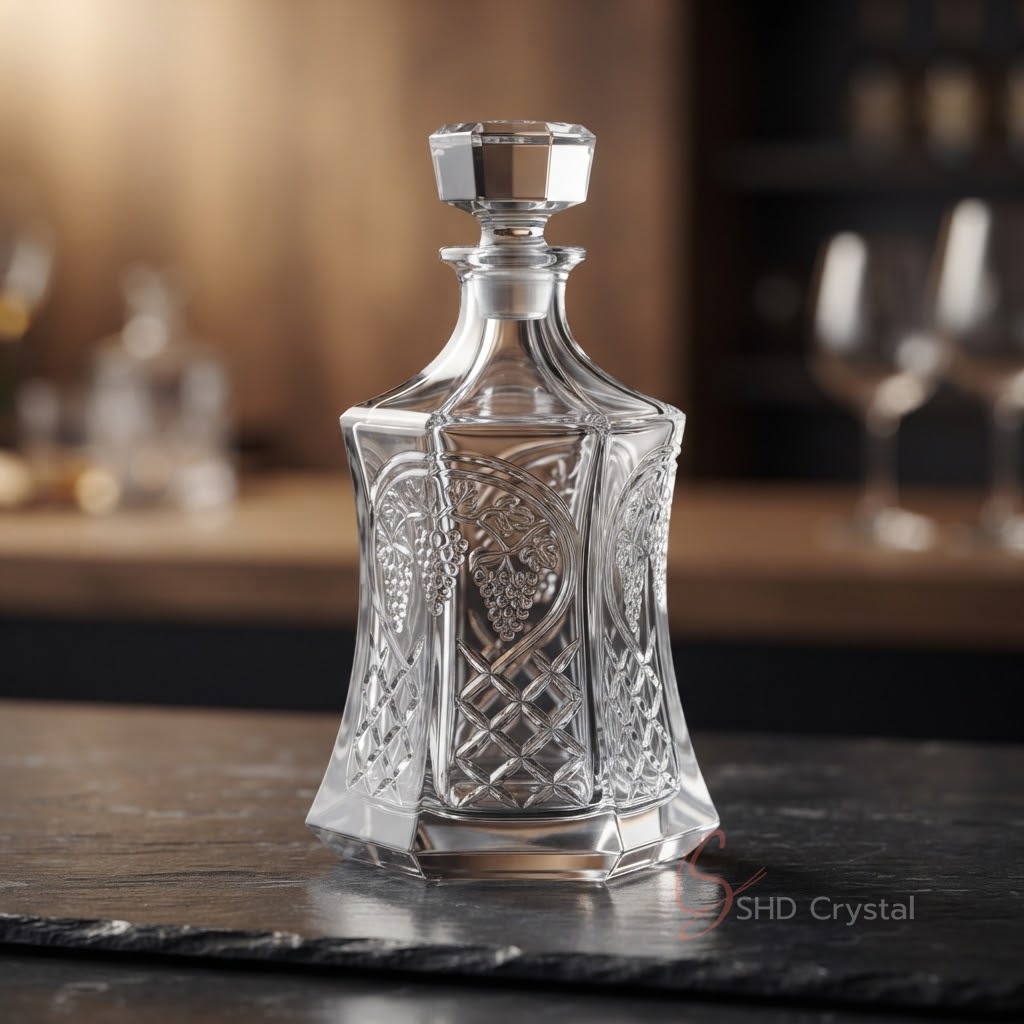
Too many evaluations start at the render and stop there. Before we cut a single mold, we ask which parts of the design will stay standard, because any unusual wine bottles manufacturer looking only at the silhouette will underweight the silent specs. The neck finish, the fill line, and the base footprint decide whether your production actually ships.
The Neck Finish and Fill-Height Trap
Keep the neck finish and fill height standard even when the body is unusual. Your corker, capping line, and foil applicator are set up around industry-standard thread and bore dimensions, and a nonstandard finish rejects the run before it reaches the label. The mouth is not the place to express the design; the discipline of custom wine bottle production keeps that section conventional no matter how sculptural the body gets.
We once built a sculptural bottle whose shoulder sloped sharply into a slim neck. It looked brilliant, but the geometry trapped air during filling and made the liquid foam out of the runner. The client had to re-engineer the shoulder and the fill station together. A practical consideration is to run a fill-height test at volume capacity before approving any decorative shoulder.
Punts, Stacking, and Base Stability on Shaped Bottles
How a bottle sits matters more than how it looks. During annealing the piece travels through the lehr to relax internal stress, and engineers confirm the result with a polariscope at the strain point. On an unusual profile, the base carries the whole case. A flat punt and wide, even base spread weight across the stack, cut breakage on the line, and let your cartons tier cleanly on a pallet.
| Feature | Classic Profile | Unusual Profile |
|---|---|---|
| Mold cost and tooling | Proven, lower | New, higher |
| Fill line compatibility | Standard | Needs volume test |
| Stacking and base | Stable | Must be verified |
| Carton packing | Simple insert | Custom insert required |
| Breakage risk in freight | Lower | Higher if unplanned |
The trade-off is honest. A classic profile moves the safest and cheapest through every stage, which is why it remains the workhorse of export packing. The unusual profile only pays when your novelty wine packaging design clears the fill and stacking checks above; otherwise the added drama is eaten by scrap and damage.
Stock Mold, Custom Mold, or a Hybrid
For a young label, stock tooling is the fastest route into custom wine bottle production because the mold is already proven and priced. A fully bespoke mold gives total ownership of the silhouette but raises tooling cost and lead time. The hybrid, a proven blank with a sculpted shoulder or embossed base, often delivers most of the drama without the fill-line risk. That depends on your volume and how long you plan to run the SKU. We usually recommend the hybrid for a first shape to protect cash flow while the label grows.
Export Packing Must Be Designed With the Bottle
The most expensive mistake we see costs nothing in glass and everything in freight margins. One buyer approved a novelty wine packaging design that fit badly in standard cartons, and breakage climbed because packing was planned only after the design was fixed. For any unusual wine bottles manufacturer project, our rule is that carton protection and custom inserts are engineered with the bottle, not retrofitted to it.
Annealing, Wall Thickness Transition, and Mold Tolerance
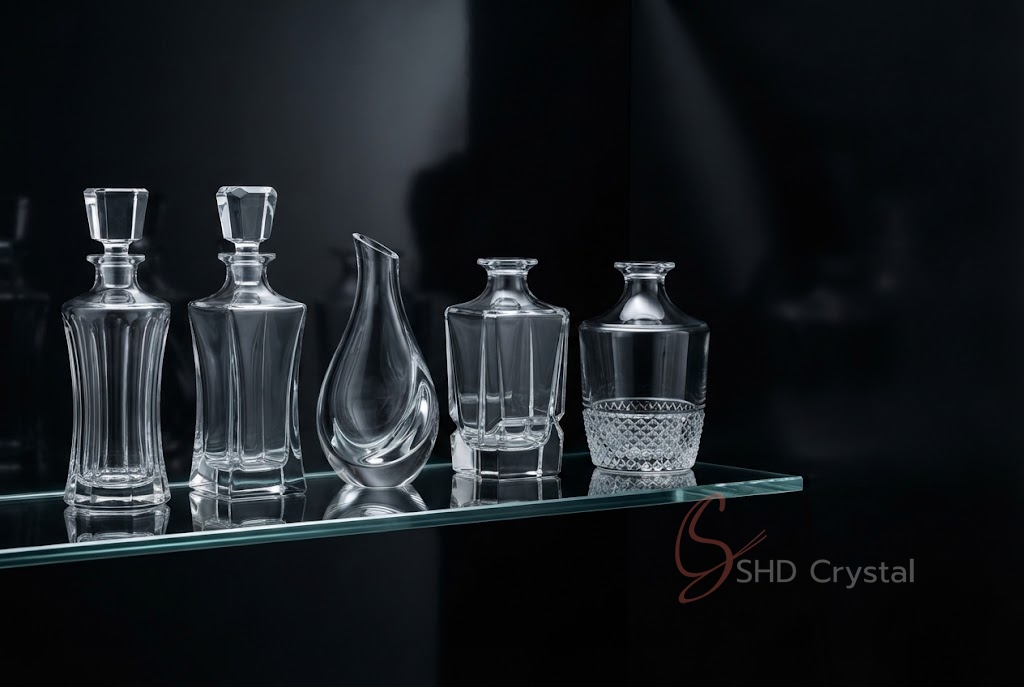
A straight-sided bottle distributes glass evenly during glass gathering and blow molding. A shaped bottle adds wall thickness transitions that cool at different rates, and if the lehr cycle is trimmed for throughput, stress stays visible under a polariscope. Mold tolerance stops being a wish once the silhouette is complex, which is why we set dimensional limits per feature rather than per part. From our production experience, this is the difference between an unusual wine bottles manufacturer that ships a consistent run and one that quietly rekeys the design mid-order.
Buyer Action Checkpoints
Walk into the briefing with four concrete checks. Confirm the neck finish and fill line stay standard. Confirm the punt and base stack stably in a full case. Insist that carton inserts are drawn with the bottle design, and run fill and fill-height tests at volume capacity. Then ask the factory for multiple pieces from one batch, since batch consistency beats a single polished sample. Treated this way, custom wine bottle production keeps its elegance without inviting rejects, and your novelty wine packaging design earns its freight cost, even when the supplier is an unusual wine bottles manufacturer whose whole catalog is shaped.
Frequently Asked Questions
Why must the neck finish stay standard on an unusual bottle?
The neck finish, thread, and bore are tuned to your capping line, corker, and foil applicator. A nonstandard mouth forces a second finishing process and can get a whole run rejected at the cap station. Design drama belongs on the body, not the finish.
Can a shaped bottle stack safely in a case?
Yes, if the punt and base are engineered for it. A flat, supported base spreads the weight of a full carton and tiers cleanly on a pallet. Our rule is to verify stacking in a loaded carton before approving the shape.
When should carton inserts be designed?
Together with the bottle, not after. We pipe the artwork and protective insert geometry into the same approval so breakage risk is controlled before tooling starts rather than discovered in freight damage claims.
What questions should a buyer ask before ordering an unusual profile?
Ask how fill height behaves at volume capacity, what mold tolerance is guaranteed per feature, and whether retained samples are checked under a polariscope. Then request multiple pieces from one batch before you approve a single sample.
Conclusion
Working with an unusual wine bottles manufacturer does not have to mean working without guardrails. Keep the neck finish and fill height standard, verify the punt and base, plan carton inserts with the design, and test at volume before you commit. The bottles that win on the shelf are the ones engineered to run clean, and every shapely silhouette we ship is run through exactly those checks first.
Bringing an Unusual Design From Rendering to Retail
If you are weighing a shaped or sculptural bottle, talk to our production team at SHD Crystal before you finalize the render. We will tell you honestly which sections to keep standard, where mold tolerance and packing need custom work, and how to protect the design across custom wine bottle production and export. It is the kind of conversation you want with an unusual wine bottles manufacturer, before the tooling order rather than after a reject tray fills.
Interested in custom glassware or related products?
Contact our team to discuss your project requirements.