A century-old chandelier loses a shade. A 1950s table lamp cracks. A Art Deco sconce is missing its glass. The fixture is still beautiful.
When electric lights first appeared, people celebrated. Then they squinted. The bulbs were harsh. The glare was uncomfortable.
People spend hours choosing a lamp base. Brass. Ceramic. Stone. Wood. Then they settle for whatever shade comes with it. That is a mistake.
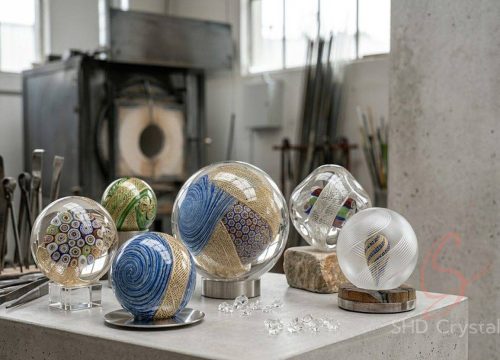
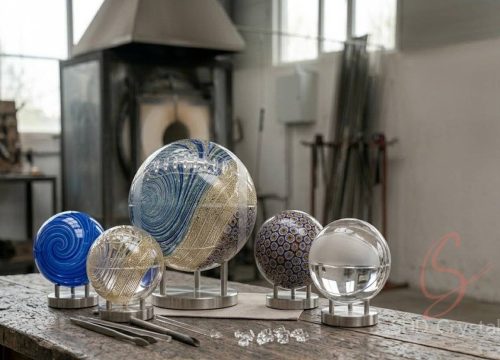
Walk through any lighting showroom. Look at the pendants, the sconces, the ceiling fixtures. You will see spheres everywhere. Clear glass spheres.
Smooth glass is predictable. Light passes straight through. Glare is harsh. Shadows are sharp. Ribbed glass is different.
A square shade has four equal sides. A rectangle does not. The long sides demand more precision. Any warp or bend is obvious.
A table lamp shade is seen from one angle — mostly from the side. A floor lamp shade is seen from above and around. But a pendant shade is different.
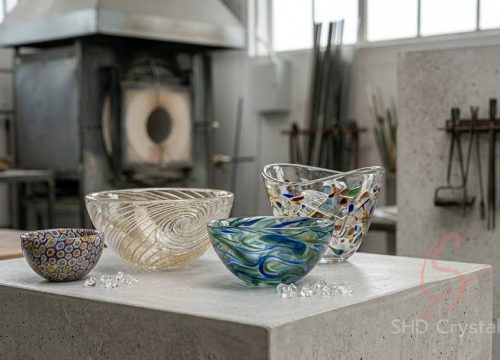
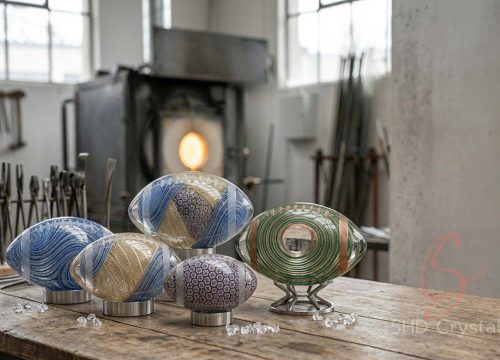
An antique table lamp glass lamp shades factory does more than shape glass. It shapes how people see the lamp.
French interiors are different. They feel softer. More graceful. More romantic. The lighting plays a big role.
A ceiling shade hangs overhead. People glance at it briefly. A table shade sits at waist level. People see it from one side.
Walk through any grand hotel lobby. Look at the chandeliers. The shapes are curved. The details are layered. The glass has weight.

Recent Post

Instagram Feeds

New Project
Oem Solution

Product Cases

© 2025 SHD Crystal. All rights reserved.